Buying, Installing, and Maintaining Defibrillators
If you are looking for medical AEDs in Canada, you are likely trying to understand which defibrillator to buy, where to install it, whether your organization needs one, and how to keep it compliant and rescue-ready.
An AED, or Automated External Defibrillator, is a portable medical device used during sudden cardiac arrest. It analyzes a person’s heart rhythm and, when needed, delivers a shock to help restore a normal rhythm.
In Canada, AEDs are regulated medical devices. That means organizations should only purchase AEDs that are approved for sale in Canada and supported by a qualified Canadian AED supplier.
What Is a Medical AED?
A medical AED is a portable defibrillator designed for use outside a hospital setting. AEDs are commonly placed in workplaces, schools, churches, clinics, gyms, construction sites, offices, warehouses, public buildings, and community spaces.
Modern AEDs are built for public use. They provide voice prompts, visual instructions, and automated rhythm analysis. The device will only advise or deliver a shock if the person’s heart rhythm requires it.
Are AEDs Approved Medical Devices in Canada?
Yes. AEDs sold in Canada must meet Canadian medical device requirements. This is why it is important to buy from a trusted Canadian AED distributor instead of purchasing from an unknown online seller or importing a device that may not be supported in Canada.
A proper Canadian AED program should include:
-
A Health Canada-authorized AED
-
Canadian warranty and service support
-
Replacement pads and batteries available in Canada
-
English/French options where needed
-
Installation guidance
-
Inspection and maintenance support
-
Expiry tracking for pads and batteries
-
AED registry support where applicable
Learn more: AEDs for Sale in Canada
Who Should Buy an AED in Canada?
AEDs are recommended for any organization where people gather, work, exercise, worship, learn, or receive services.
Common AED locations include:
-
Offices and workplaces
-
Construction sites
-
Schools and childcare centres
-
Churches and places of worship
-
Dental and medical clinics
-
Warehouses and factories
-
Retail stores
-
Hotels and event venues
-
Community centres
-
Sports fields and arenas
-
Fitness centres and gyms
-
Condominium and apartment buildings
-
Municipal facilities
-
Golf courses and recreation spaces
Even if your organization is not legally required to have an AED, having one on site is one of the most practical ways to improve emergency preparedness.
Related article: Where Should an AED Be Located?
Why AEDs Matter
Sudden cardiac arrest can happen without warning. When it happens, every minute matters. CPR helps keep blood flowing, but defibrillation is often needed to restore a normal heart rhythm.
Having an AED nearby can reduce delays while waiting for emergency services. The sooner CPR and defibrillation begin, the better the chance of survival.
That is why many Canadian organizations now treat AEDs like fire extinguishers: essential emergency equipment that should be visible, accessible, inspected, and ready to use.
Best AEDs in Canada
There is no single best AED for every organization. The right AED depends on your location, environment, users, budget, and maintenance needs.
At AED.ca, we generally recommend reliable AEDs from trusted manufacturers, including:
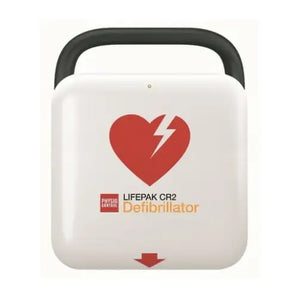
LIFEPAK CR2 AED
The LIFEPAK CR2 is a strong choice for many Canadian organizations. It is simple to use, bilingual, connected, and designed for both adult and child rescues.
Best for:
-
Schools
-
Offices
-
Clinics
-
Churches
-
Municipal facilities
-
Multi-location organizations
-
Sites needing English/French functionality
Key features:
-
English/French bilingual operation
-
Built-in pediatric mode
-
CPR coaching
-
Wi-Fi connectivity
-
Clear voice prompts
-
Simple pad design
-
Strong public-access AED performance
View product: LIFEPAK CR2 AED
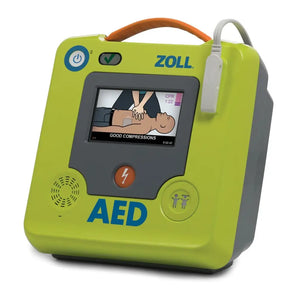
ZOLL AED 3
The ZOLL AED 3 is another advanced AED option. It includes a colour screen, CPR feedback, and a simple child rescue mode.
Best for:
-
Workplaces
-
Schools
-
Healthcare-adjacent settings
-
Organizations wanting enhanced CPR guidance
Key features:
-
Real-time CPR feedback
-
Colour display
-
Adult and child rescue mode
-
Long-life pads and battery
-
Easy-to-follow rescue prompts
View product: ZOLL AED 3
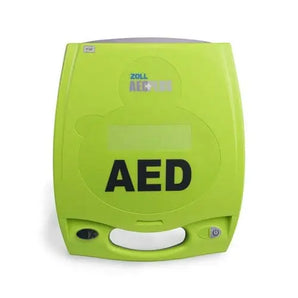
ZOLL AED Plus
The ZOLL AED Plus is durable and widely used across Canada. It remains a popular option for industrial, construction, manufacturing, and public-access environments.
Best for:
-
Construction sites
-
Warehouses
-
Factories
-
Outdoor or rugged environments
-
Organizations wanting a durable AED
Key features:
-
CPR feedback
-
Rugged design
-
Long battery life
-
Clear rescue prompts
-
Strong long-term value
View product: ZOLL AED Plus
AED Installation in Canada
Buying the AED is only the first step. Proper installation matters.
An AED should be installed:
-
In a visible location
-
Near high-traffic areas
-
Where staff and visitors can access it quickly
-
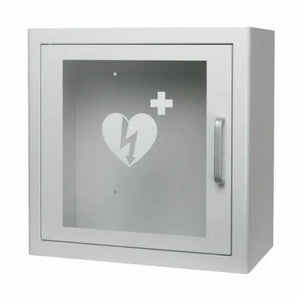
In a wall cabinet or marked storage location
-
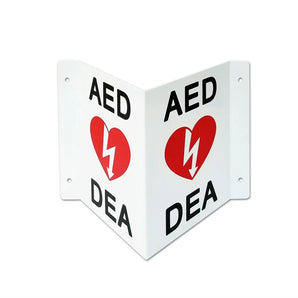
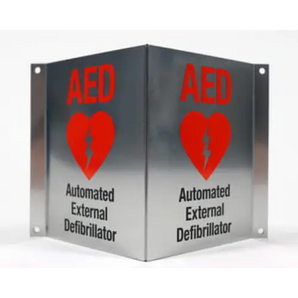
With clear AED signage
-
Away from locked rooms whenever possible
-
Where emergency responders can locate it easily
For larger facilities, one AED may not be enough. A good rule is to place AEDs so they can be reached and brought back to a victim within a few minutes.
AED Maintenance in Canada
AEDs are low-maintenance, but they are not no-maintenance.
Every AED should be inspected regularly to confirm:
-
The status indicator shows ready
-
Pads are not expired
-
Battery is not expired
-
Cabinet and signage are visible
-
The AED is clean and accessible
-
Rescue kit supplies are present
-
Inspection records are up to date
-
Staff know where the AED is located
Expired AED pads or batteries can create serious problems during an emergency. Many organizations buy an AED and then forget about it for years. That is risky.
AED.ca offers AED maintenance programs to help organizations track expiries, complete inspections, document readiness, and keep devices compliant.
Learn more: AED Maintenance Program
AED Pads and Batteries
AED pads and batteries expire. Replacement timing depends on the AED model.
Typical replacement ranges:
-
AED pads: usually every 2 to 5 years
-
AED batteries: usually every 4 to 8 years
-
Rescue kits: replace after use or when supplies expire
You should never wait until an emergency to discover that pads or batteries are expired.
AED Requirements in Canada
AED requirements vary by province, industry, and facility type. Some organizations may be legally required to have AEDs. Others choose to install AEDs as part of workplace health and safety, risk management, or public safety planning.
Examples of organizations that should pay close attention to AED requirements include:
-
Construction companies
-
Municipal facilities
-
Schools
-
Healthcare clinics
-
Fitness centres
-
Sports organizations
-
Large workplaces
-
Public venues
-
High-traffic buildings
Because requirements can change, organizations should work with a knowledgeable Canadian AED supplier that understands both products and compliance.
Related article: AED Requirements in Canada
AEDs for Construction Sites
AEDs are becoming increasingly important on Canadian construction sites. Construction environments often involve physical labour, heat, remote work areas, and delayed access for emergency responders.
Construction AED programs should include:
-
Rugged AED placement
-
Weather-conscious storage
-
Clear signage
-
Regular inspections
-
Staff awareness
-
Replacement pad and battery tracking
-
Compliance documentation
Related article: AEDs for Construction Sites
AEDs for Medical and Dental Clinics
Medical and dental clinics often ask whether a public-access AED is appropriate for clinical settings. In many cases, AEDs such as the LIFEPAK CR2, ZOLL AED 3, and ZOLL AED Plus are suitable for clinics that want a simple, reliable emergency defibrillator available on site.
Clinics should consider:
-
Ease of use for all staff
-
Pediatric capability
-
Bilingual operation where needed
-
Maintenance tracking
-
Clear placement
-
Staff CPR/AED training
-
Replacement consumable costs
AEDs for Schools and Churches
Schools and churches are high-value AED locations because they often serve children, families, seniors, volunteers, staff, and large groups.
For these locations, important features include:
-
Simple voice prompts
-
Pediatric capability
-
Easy visibility
-
Low maintenance
-
Bilingual support when needed
-
Clear signage
-
Training resources for staff and volunteers
Should You Register Your AED?
In many areas, AED registration is recommended or required. Registering an AED can help emergency dispatchers, first responders, and community response systems know where AEDs are located.
AED registration may include:
-
Device location
-
Building access details
-
AED model and serial number
-
Pad and battery expiry dates
-
Contact person
-
Inspection status
AED.ca can help organizations understand AED registry options and support AED program documentation.
Buying AEDs Online in Canada
Buying an AED online can be convenient, but organizations should be careful. AEDs are medical devices, not ordinary electronics.
Before buying, confirm:
-
The AED is approved for sale in Canada
-
The seller is a Canadian AED supplier
-
Warranty support is available in Canada
-
Replacement pads and batteries are easy to order
-
The AED is new, current, and not discontinued
-
The supplier offers continued support
-
The AED is appropriate for your location
Shop AEDs: Buy AEDs Online in Canada
Why Choose AED.ca?
AED.ca helps Canadian organizations purchase, inspect, and maintain AEDs across the country.
We support:
-
Single-location AED purchases
-
Multi-location AED programs
-
AED standardization
-
AED replacement and upgrade planning
-
Pad and battery expiry tracking
-
Full-service AED maintenance
-
AED inspections
-
Compliance documentation
-
Registry support
-
Corporate AED programs
Whether you need one AED or hundreds, AED.ca provides trusted Canadian AED support from purchase to long-term maintenance.
Frequently Asked Questions About Medical AEDs in Canada
What does AED stand for?
AED stands for Automated External Defibrillator.
Is an AED the same as a defibrillator?
An AED is a type of defibrillator designed to be portable, automated, and simple enough for public use.
Can anyone use an AED in Canada?
Yes. AEDs are designed to guide users through the rescue process with voice and visual prompts.
Will an AED shock someone who does not need it?
No. AEDs analyze the heart rhythm and will only advise or deliver a shock if a shockable rhythm is detected.
How much does an AED cost in Canada?
Most public-access AEDs in Canada typically cost between approximately $2,000 and $3,000, depending on the model, package, accessories, and support included.
What is the best AED for a workplace?
For many workplaces, the LIFEPAK CR2, ZOLL AED 3, and ZOLL AED Plus are strong options. The best choice depends on your environment and maintenance needs.
Do AED pads expire?
Yes. AED pads expire and must be replaced before their expiry date.
Do AED batteries expire?
Yes. AED batteries have a limited life and must be replaced according to the manufacturer’s schedule.
How often should AEDs be inspected?
AEDs should be checked regularly. Many organizations complete monthly visual checks, plus annual professional inspections.
Does AED.ca install and maintain AEDs?
Yes. AED.ca provides AED sales, installation support, inspections, replacement parts, and maintenance programs across Canada.
Medical AEDs in Canada: Final Answer
Medical AEDs in Canada are regulated lifesaving devices that should be purchased from a trusted Canadian supplier, installed in visible and accessible locations, and maintained regularly. The right AED program includes more than the device itself. It includes proper placement, signage, pads, batteries, inspections, training awareness, expiry tracking, and long-term support.
AED.ca helps Canadian organizations choose the right AED, keep it rescue-ready, and manage AED compliance with confidence.
About AED.ca
AED.ca is Canada’s trusted AED company, helping organizations across Canada purchase, install, inspect, and maintain Automated External Defibrillators. We provide Health Canada-authorized AEDs, replacement pads and batteries, AED maintenance programs, compliance support, and practical guidance for workplaces, schools, churches, clinics, construction sites, and multi-location organizations.
AED.ca is led by Martin Andrews, President of AED.ca, with a focus on helping Canadian businesses and communities stay AED-ready, AED-compliant, and prepared to respond when every second matters.
Visit AED.ca to learn more or contact us for help choosing the right AED for your organization.