Complete Canadian Guide
Automated External Defibrillators (AEDs) save lives—but only if they are accessible within minutes. One of the most common questions we hear at AED.ca is:
“Where should AEDs be placed in a building—and how many do we actually need?”
This guide is designed to be the definitive Canadian resource for businesses, property managers, schools, and organizations looking to deploy AEDs correctly, confidently, and in line with best practices.
🚨 Why AED Placement Matters


Sudden cardiac arrest (SCA) can happen anywhere, at any time. Survival rates drop by 7–10% per minute without defibrillation.
👉 That means:
- An AED must be easy to find
- It must be quick to access
- Staff must be aware of its location
Proper placement can be the difference between life and death.
📍 Where Should AEDs Be Placed in a Building?
1. High-Visibility, Public Areas
AEDs should always be placed where people naturally gather or pass through:
- Main entrances and lobbies
- Reception areas
- Hallways with high foot traffic
- Near elevators or stairwells
👉 If someone collapses, responders shouldn’t have to “hunt” for the device.
2. Within a 3-Minute Retrieval Radius
This is the gold standard used across North America.
- An AED should be reachable, retrieved, and returned to the victim within 3 minutes total
- Typically equals about a 90-second walk one way
👉 In large buildings, this often means multiple AEDs per floor or zone
3. Near High-Risk Areas
Some locations have a higher likelihood of cardiac events:
- Fitness centres / gyms
- Cafeterias
- Industrial or construction areas
- Conference rooms or large meeting spaces
- Areas with older populations
👉 These zones should always have nearby AED coverage
4. Consistent Locations on Each Floor
In multi-storey buildings:
- Place AEDs in similar locations on each floor
- Example: always near elevator lobbies
👉 This builds muscle memory—people instinctively know where to look
5. Secure but Not Locked
AEDs should be:
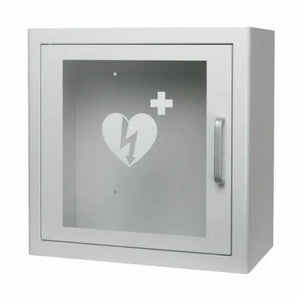
- Mounted in a clearly marked cabinet
- Easily accessible without delays
Avoid:
- Locked offices
- Storage rooms
- Behind counters or desks
👉 If access is delayed, the AED may not be used in time
🔢 How Many AEDs Should a Building Have?

There is no one-size-fits-all number—but there are proven guidelines.
🧭 Rule #1: 3-Minute Coverage Rule
You need enough AEDs so that any point in the building can be reached within 3 minutes.
👉 This is the most important factor.
🏢 Rule #2: Building Size & Layout
| Building Type | Typical Recommendation |
|---|---|
| Small office (<10,000 sq ft) | 1 AED |
| Medium office (10,000–50,000 sq ft) | 2–4 AEDs |
| Large facility (>50,000 sq ft) | 4+ AEDs (zoned coverage) |
| Multi-floor building | 1 per floor minimum |
| Warehouse / industrial | Based on travel distance, often multiple per zone |
👥 Rule #3: Occupancy Levels
More people = higher risk.
- 50–100 people → at least 1 AED
- 100–300 people → 2+ AEDs
- 300+ people → multiple units with full coverage
⚠️ Rule #4: Risk Profile
Increase AED quantity if you have:
- Older employees or visitors
- Physical activity (gyms, recreation)
- High-stress environments
- Remote locations (long EMS response times)
🇨🇦 Canadian Regulations & Best Practices
AED requirements vary by province, but trends are clear:
- Increasing legislation supporting AED access
- Strong encouragement (and in some cases mandates) in:
- Schools
- Fitness facilities
- Public buildings
👉 Even where not legally required, AEDs are considered best practice risk management
For a full breakdown, visit:
👉 https://aed.ca/pages/aed-laws-and-regulations-in-canada
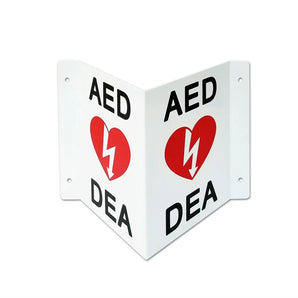
🧰 Don’t Forget: Signage & Visibility
An AED is only useful if people can find it instantly.
Best practices:
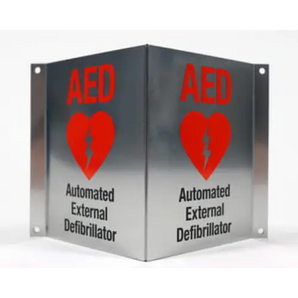
- Install universal AED signage
- Use directional signs in hallways
- Ensure visibility from a distance
Explore signage and accessories here:
👉 https://aed.ca/collections/aed-signage-and-accessories
🔧 Maintenance Is Critical
Even perfectly placed AEDs can fail if not maintained.
You need:
- Regular inspections
- Battery and pad tracking
- Readiness checks
- Documentation for compliance
👉 Learn more about maintenance programs:
https://aed.ca/pages/aed-maintenance-service
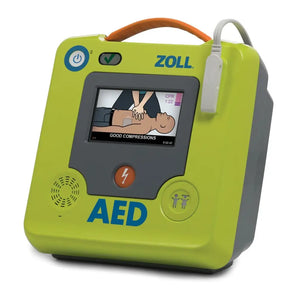
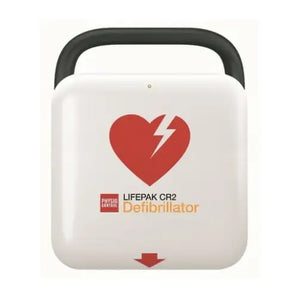
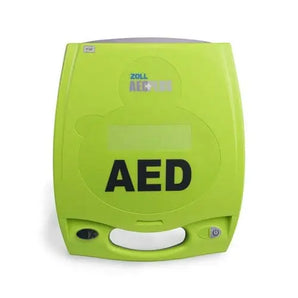
🛒 Choosing the Right AED for Your Building
Not all AEDs are equal. Factors to consider:
- Ease of use (important for untrained responders)
- Durability (industrial vs office use)
- Pediatric capability
- CPR feedback features
Browse AED options here:
👉 https://aed.ca/collections/aeds
🏁 Final Thoughts
Proper AED placement is not just about compliance—it’s about saving lives.
To summarize:
- Place AEDs in visible, accessible locations
- Ensure 3-minute coverage throughout the building
- Adjust quantity based on size, occupancy, and risk
- Maintain and monitor all devices regularly
When done right, your AED program becomes a critical layer of safety for everyone in your building.
👤 About AED.ca
AED.ca is one of Canada’s leading providers of Automated External Defibrillators (AEDs), accessories, and full-service maintenance programs. Based in the Greater Toronto Area and serving organizations nationwide, AED.ca helps businesses, schools, and public facilities stay compliant, prepared, and protected.
From product selection to placement strategy and ongoing maintenance, AED.ca is committed to being Canada’s trusted AED partner—not just a supplier.
👉 Visit https://aed.ca to learn more or speak with an AED specialist today.