A Game Changer for Cardiac Emergency Response
When every second counts during a cardiac emergency, having immediate access to an Automated External Defibrillator (AED) can mean the difference between life and death. Bill 141, known as the Defibrillator Registration and Public Access Act, 2020, is a significant piece of legislation passed in Ontario, Canada. This bill mandates the registration of Automated External Defibrillators (AEDs) and enhances public access to these life-saving devices.
The Critical Need for AED Accessibility
The statistics surrounding cardiac arrest in Ontario are sobering. Unfortunately, each year approximately 7,000 Ontarians will experience cardiac arrest. Up to 85% of those cardiac arrests occur in a public setting, making immediate access to defibrillation equipment crucial for survival. "Today, nine out of ten people who experience cardiac" arrest outside of a hospital setting do not survive, highlighting the urgent need for improved emergency response infrastructure.
Key Provisions of Bill 141
Mandatory AED Registration
The Act also requires defibrillators at such premises to be registered with the registrar within specified time periods, and for the prescribed persons to be notified of the registrations. This central registry system serves multiple critical functions:
- Emergency Response Integration: Bill 141, the Defibrillator Registration and Public Access Act tabled by Member of Provincial Parliament (MPP) Robin Martin, allows 9-1-1 communications officers to direct callers to the nearest AED when a cardiac arrest is suspected.
- Enhanced Accessibility: All AEDs in Ontario must be registered with a central registry. This registry is maintained by an authorized organization appointed by the government.
Installation and Maintenance Requirements
The Act imposes certain requirements respecting the installation, maintenance, testing and availability of defibrillators on designated premises or public premises. These comprehensive requirements ensure that AEDs are not only present but also functional when needed most.
The legislation covers several key areas:
Installation Standards: Bill 141 outlines the new requirements relating to installation, maintenance, availability and testing of AEDs for owners of designated public areas.
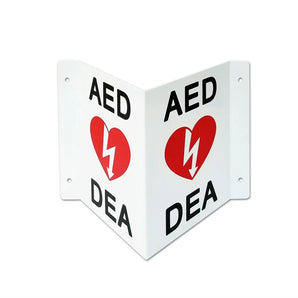
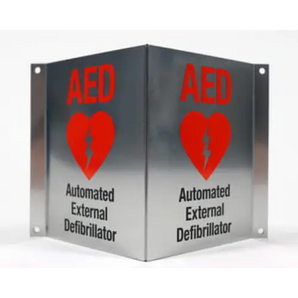
Signage and Accessibility: The legislation also requires that AEDs have appropriate signage, be accessible for easy identification, and be properly maintained.
Training Requirements: Owners must also ensure that training is undertaken in accordance with prescribed guidelines.
Registration Timeline
The Act establishes clear deadlines for compliance: Every person who owns or operates designated premises or public premises at which a defibrillator is installed shall register the defibrillator with the registrar... if, on the day this subsection comes into force, the defibrillator has already been installed, no later than 30 days after the regulation comes into effect.
Designated Locations and Coverage
Bill 141 mandates that all public facilities, such as community centers, sports arenas, and other gathering places, must have an AED on-site and that staff members are trained in its use. Other designated locations will also be required. The comprehensive approach ensures broad coverage across various public spaces where cardiac emergencies are most likely to occur.
Implementation and Rollout Strategy
The government plans to roll out the registry in phases, starting with urban areas in 2025 and gradually expanding to rural communities. This approach aims to ensure effective implementation while addressing the unique needs of different communities across Ontario.
The Life-Saving Impact
The Defibrillator Registration and Public Access Act, 2020 has been a long time coming. By making AEDs more accessible many lives will be saved. It may even be your life or someone you care about whose life is saved by an AED being available when it is needed.
The legislation addresses a critical gap in emergency response infrastructure. This accessibility is essential for improving response times during cardiac events. When combined with the registry system that allows 911 operators to direct emergency callers to the nearest AED, the potential for saving lives increases dramatically.
Support from Health Organizations
The Heart and Stroke Foundation has been a strong advocate for this legislation, recognizing its potential to significantly improve survival rates for cardiac arrest victims. Heart and Stroke commends the passage of Bill 141 to create an AED registry in Ontario, emphasizing the critical role this legislation will play in emergency response.
Looking Forward: A Safer Ontario
Bill 141 is the Defibrillator Registration and Public Access Act, 2020. This new legislation will increase public access to life saving AEDs. We are very excited about how many lives will be saved as a result of this bill.
The implementation of Bill 141 represents a significant step forward in public health and safety infrastructure. By creating a comprehensive system for AED registration, maintenance, and accessibility, Ontario is positioning itself as a leader in cardiac emergency preparedness.
Compliance and Support
For organizations affected by this legislation, understanding compliance requirements is essential. Regulations may be made under the Act setting out details relating to the requirements under the Act. As these regulations are finalized and implemented, businesses and organizations should work with qualified AED providers to ensure full compliance with all requirements.
Conclusion
Ontario Bill 141 - The Defibrillator Registration and Public Access Act, 2020, represents a landmark achievement in public health legislation. By mandating AED registration, establishing maintenance standards, and creating a comprehensive registry system, this legislation has the potential to save thousands of lives across Ontario. Ontario Bill 141 aims to enhance public health by increasing access to defibrillators, crucial for saving lives during sudden cardiac arrest emergencies.
As the implementation continues to roll out across the province, the collaboration between government, healthcare organizations, and AED providers will be crucial to realizing the full life-saving potential of this important legislation. Every registered AED represents not just compliance with the law, but a beacon of hope for cardiac arrest victims and their families across Ontario.
For more information about AED compliance and Bill 141 requirements, contact AED.ca.