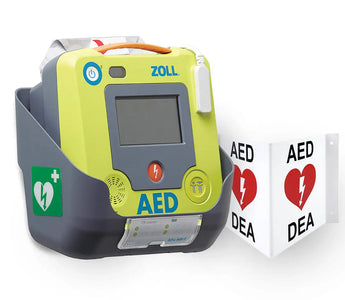
What are AEDs and Where are They Needed
Every year in Canada, approximately 50,000 people experience sudden cardiac arrest (SCA) outside hospital settings, with one person dying every 12 minutes from this life-threatening emergency. When someone suffers cardiac arrest, their survival chances decrease by 7-10% with every minute that passes without defibrillation. Automated External Defibrillators (AEDs) are portable, life-saving devices that can dramatically improve these odds—increasing survival rates from just 5% with CPR alone to an impressive 75% when combined with prompt AED use.
Understanding proper AED guidelines, provincial regulations, and best practices is essential for businesses, organizations, and communities across Canada. This comprehensive guide outlines the current state of AED legislation, placement requirements, maintenance protocols, and training recommendations for each Canadian province and territory.
Understanding Automated External Defibrillators (AEDs)
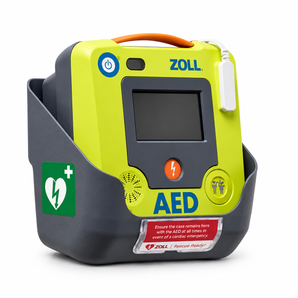
An automated external defibrillator is a portable electronic device that automatically diagnoses life-threatening cardiac arrhythmias and delivers an electrical shock to restore normal heart rhythm. Modern AEDs are designed to be user-friendly and can be operated by virtually anyone, even without formal medical training. The device provides clear voice prompts and visual instructions, making it accessible during high-stress emergency situations.
AEDs are classified as Class III medical devices in Canada and must be approved by Health Canada. Semi-automated external defibrillators are the most common type in public spaces, as they analyze heart rhythm and determine whether defibrillation is needed, then alert the operator to deliver the shock. Fully-automated external defibrillators are becoming more common in public spaces, as they analyze heart rhythm and determine whether defibrillation is needed and automatically deliver the shock.
Federal AED Guidelines in Canada
At the federal level, Canada does not mandate AED installation across all workplaces or public spaces. However, Health Canada regulates AEDs as medical devices and sets standards for their approval and use. The Canadian Medical Association and Heart and Stroke Foundation of Canada strongly advocate for widespread AED accessibility to enhance public safety and cardiac arrest survival rates.
Federal guidelines encourage AED placement in high-traffic areas and workplaces, particularly those with:
- Large numbers of employees or visitors
- Workers engaged in high-risk activities
- Limited access to emergency medical services
- Older populations or individuals with known cardiac risk factors
The Heart and Stroke Foundation of Canada provides comprehensive guidelines for AED programs, including recommendations for device selection, placement strategies, maintenance protocols, and training requirements.
Provincial and Territorial AED Regulations
Ontario
Ontario has been a leader in AED legislation, though implementation has faced delays. In 2020, the province passed Bill 141, the Defibrillator Registration and Public Access Act, which received royal assent but regulations are still being developed. As of 2024, the Ontario government has selected an organization to manage the provincial AED registry.
Key Requirements Under Bill 141:
- AEDs must be installed in designated premises (specific locations to be defined in regulations)
- Devices must be placed in easily accessible, unobstructed areas
- Appropriate signage must identify AED locations
- AEDs must be properly maintained and ready for emergency use
- Prescribed persons must receive training in AED use
- All AEDs must be registered with the provincial 911 registry within 30 days of installation
Ontario has over 20,000 publicly accessible AEDs. The Chase McEachern Act (Heart Defibrillator Civil Liability Act) provides liability protection for individuals who use AEDs in emergencies, reinforcing Good Samaritan protections.
Best Practices for Ontario Organizations:
- Conduct workplace risk assessments to determine optimal AED placement
- Ensure devices are within 3-5 minutes' reach from any location
- Implement regular maintenance schedules according to manufacturer guidelines
- Provide AED/CPR training to designated employees
- Prepare for registry compliance once regulations are finalized
British Columbia
British Columbia has implemented a comprehensive Public Access to Defibrillation (PAD) program, placing thousands of AEDs throughout the province. The Cardiovascular Health Strategy emphasizes cardiac arrest prevention and response.
Current Status:
- AEDs are not mandatory in most workplaces
- Proposed legislation would require AEDs in certain public places
- WorkSafeBC guidelines outline factors employers should consider when deciding to install AEDs
WorkSafeBC Considerations:
- Workforce size at the site
- Average age and health status of workers
- Hazardous activities present
- Access to BC Emergency Health Services
- Public access to the facility
British Columbia's Good Samaritan Act protects individuals offering emergency aid from legal liability, provided actions are not grossly negligent. The province offers extensive AED/CPR training through St. John Ambulance and the Heart and Stroke Foundation.
Alberta
Alberta does not currently mandate AEDs in workplaces, but the provincial government has invested significantly in the Public Access to Defibrillation program, installing devices in schools, recreation centers, and public buildings.
Alberta Occupational Health and Safety Guidelines:
- Employers must do what is reasonably practicable to ensure worker health and safety
- Workplace hazard assessments should consider cardiac arrest risk
- Where AEDs are installed, they must be properly maintained and stored according to manufacturer instructions
- Users must receive appropriate training in CPR and AED operation
The Emergency Medical Aid Act provides Good Samaritan protection for individuals who render emergency assistance in good faith without gross negligence.
Manitoba
Manitoba was Canada's first province to mandate AEDs in certain public spaces, setting a precedent for other jurisdictions.
Mandatory AED Locations:
- Public fitness, sports, and athletic facilities
- Community centers
- Public health and government buildings
- Airports, train stations, and bus terminals
- Schools, colleges, and universities
- Casinos
Manitoba Requirements:
- Automated external defibrillators approved by Health Canada must be used
- Devices must be suitable for both adults and children with appropriate pediatric pads
- AEDs must include indicators (blinking lights, sounds) to signal maintenance needs
- Devices must be installed in easily accessible, visible common areas
- Monthly inspections are mandatory, with results documented
- AEDs must be registered with provincial emergency services
- Clear signage must identify AED locations
The Workplace Safety and Health Act requires AEDs in workplaces with high-risk activities. Manitoba's Good Samaritan Act offers legal protection for those who use AEDs during emergencies.
Quebec
Quebec's approach to AEDs is embedded within broader health and social services legislation. The Act to Ensure the Quality of the Health and Social Services includes guidelines for AED installation in public places and healthcare facilities.
Quebec Regulations:
- Specific training requirements for individuals responsible for AEDs in certain environments
- Guidelines for AED placement in public spaces
- Requirements for device maintenance and accessibility
Quebec's civil law system is unique in Canada. Under the Civil Code (Article 1471), individuals who come to another's aid are exempt from liability for resulting injuries, except in cases of intentional or gross fault. Importantly, Quebec's Charter of Human Rights and Freedoms (Article 2) imposes a duty to rescue—requiring individuals to assist persons in peril when possible.
Quebec residents can use AEDs during cardiopulmonary resuscitation if they have received training meeting American Heart Association Guidelines for CPR and Emergency Cardiovascular Care standards, even when first responders are not yet present.
Saskatchewan
Saskatchewan's Occupational Health and Safety Regulations stipulate that AEDs must be available in workplaces with high risk of cardiac events. The province supports AED installation in public spaces through various public health initiatives.
Guidelines:
- Risk assessment required to determine need for workplace AEDs
- Where installed, devices must be accessible and properly maintained
- Training required for designated personnel
- Regular inspection and maintenance protocols must be followed
Good Samaritan protection is available under provincial law for individuals providing emergency assistance in good faith.
Nova Scotia
Nova Scotia has taken progressive steps toward mandating AEDs in certain environments. The Occupational Health and Safety Act includes provisions related to workplace safety equipment.
Current Status:
- Proposed legislation would mandate AEDs in certain workplaces
- As of March 2021, the government invested $700,000 to equip all public schools with AEDs
- Up to 350 defibrillators distributed to schools across the province
- All school AEDs added to the Emergency Health Services database
Nova Scotia's Defibrillators Act (Bill 141 from 2004) identifies that building owners of provincially owned public buildings, municipal facilities, and certain private buildings must make defibrillators available within timelines set by regulations.
The Volunteer Services Act provides Good Samaritan protection for individuals rendering emergency aid without expectation of compensation.
New Brunswick
New Brunswick encourages AED installation but does not currently mandate devices in workplaces or public spaces. WorkSafeNB acknowledges that AEDs help save lives and supports their voluntary adoption.
Key Legislation:
- The Automated Defibrillator Act (Bill 69) defines when and how AEDs can be used
- Provides civil liability protection for civilians who use AEDs voluntarily and in good faith
- Encourages public installation and use of life-saving defibrillators
Prince Edward Island
PEI has guidelines under the Occupational Health and Safety Act for AEDs in workplaces. The province advocates for AED placement in public spaces and offers public education on proper use.
Recommendations:
- Voluntary AED installation in high-risk workplaces
- Public awareness initiatives about AED locations and use
- Training programs available through certified providers
Note that PEI does not currently have specific Good Samaritan legislation, though common law protections may apply.
Newfoundland and Labrador
Newfoundland and Labrador does not have specific AED mandates or dedicated Good Samaritan legislation. However, general legal principles and common law may offer protection to individuals acting in good faith during emergencies.
Current Approach:
- Voluntary AED adoption encouraged
- Best practices follow federal and Heart and Stroke Foundation guidelines
- Risk-based assessment for workplace implementation
Northern Territories (Yukon, Northwest Territories, Nunavut)
The northern territories have less detailed AED regulations but emphasize the importance of having devices available in high-risk workplaces and public areas.
General Approach:
- Local health authorities provide guidance on AED installation and use
- Emergency Medical Aid Acts (in Yukon and Northwest Territories) offer Good Samaritan protection
- Focus on ensuring access in remote communities where emergency response times may be extended
- Consideration of extreme weather conditions affecting device storage and operation
Good Samaritan Laws and AED Use
A common concern preventing bystanders from using AEDs is fear of legal liability. Fortunately, Good Samaritan laws across Canada protect individuals who provide emergency assistance in good faith.
Core Principles of Good Samaritan Protection:
- Protection applies when assistance is given voluntarily without expectation of compensation
- Actions must be taken in good faith with reasonable care
- Protection does not extend to gross negligence or reckless behavior
- Both trained and untrained individuals are protected when acting within the scope of their knowledge
- Consent is implied for unconscious victims
Provincial Variations:
- Some provinces (Manitoba, Ontario) specifically mention AED use in their legislation
- Quebec uniquely imposes a legal duty to assist persons in peril
- Most provinces exclude New Brunswick and Nunavut from having specific Good Samaritan acts, though legal protections may still apply
The federal Good Samaritan Drug Overdose Act (2017) provides additional protection for individuals seeking emergency help during overdose situations, protecting them from simple drug possession charges.
AED Placement Guidelines
Proper AED placement is critical to ensuring devices can be accessed within the critical 3-5 minute window for optimal survival outcomes.
Strategic Placement Considerations:
The 3-Minute Rule: Position AEDs so that anyone can retrieve a device, reach the victim, and apply it within three minutes of cardiac arrest. This typically means spacing devices to ensure no location is more than 1.5 minutes away from the nearest AED.
High-Priority Locations:
- Building entrances and lobbies
- Near elevators on multiple floors
- Fitness centers and gyms
- Sports facilities and arenas
- Hotels and Condominiums
- Cafeterias and common gathering areas
- Manufacturing or industrial work areas
- Large meeting rooms or auditoriums
Visibility and Accessibility:
- Install AEDs in unlocked, publicly accessible locations
- Mount devices at eye level (approximately 5 feet from the floor)
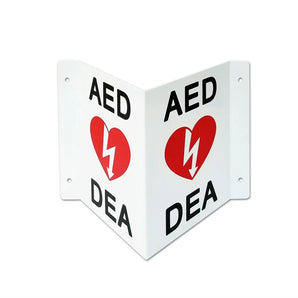
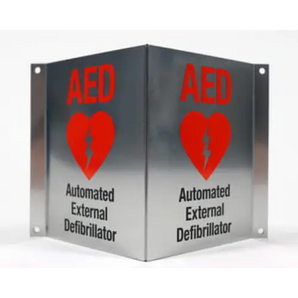
- Use prominent, illuminated signage following international AED symbols
- Ensure 24/7 accessibility in buildings with extended or variable hours
- Avoid locations requiring keys, codes, or staff assistance to access
Environmental Considerations:
- Protect devices from extreme temperatures (most AEDs operate safely between 0°C and 50°C)
- Avoid direct sunlight or moisture exposure
- Ensure adequate lighting for nighttime accessibility
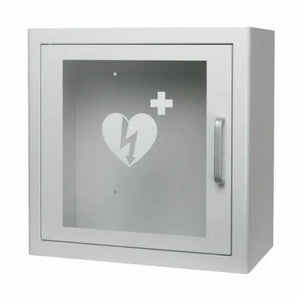
- Consider installing AED cabinets with alarms to deter theft while not impeding emergency access
AED Maintenance and Inspection Protocols
Regular maintenance ensures AEDs function properly during emergencies. Device failures due to poor maintenance can have tragic consequences.
Essential Maintenance Requirements:
Daily Visual Checks:
- Verify the status indicator light shows the device is operational
- Ensure the AED cabinet or case is not damaged
- Confirm all accessories are present (electrode pads, razor, gloves, CPR barrier)
Monthly Inspections:
- Conduct formal inspection following manufacturer guidelines
- Check battery expiration date and charge level
- Verify electrode pad expiration dates
- Test device self-check functions
- Document inspection on attached tag or digital record
- Review and replace any expired consumables
After Each Use:
- Replace used electrode pads immediately
- Check battery level and replace if necessary
- Clean and disinfect the device exterior
- Restock all accessories
- Document use and maintenance in device logs
- Report the event to the AED program coordinator
Annual Reviews:
- Comprehensive device testing by qualified personnel
- Software updates if available
- Full accessory inventory and replacement
- Review of location appropriateness
- Assessment of training compliance among staff
Record Keeping: Most provinces require documentation of maintenance activities. Maintain records for at least 12 months, including:
- Inspection dates and results
- Battery and electrode pad replacement dates
- Any device malfunctions or issues
- Use incidents and post-use maintenance
AED Training and Certification
While AEDs are designed for use by untrained individuals, proper training significantly increases responder confidence and reduces response time during emergencies.
Training Components:
Basic AED/CPR Training:
- Recognition of cardiac arrest signs and symptoms
- Activation of emergency response (calling 911)
- High-quality CPR techniques (chest compressions and rescue breaths)
- Proper AED pad placement for adults, children, and infants
- Safety considerations during defibrillation
- Post-resuscitation care until professional help arrives
Certification Organizations: Training should be obtained from organizations recognized by Health Canada and provincial health authorities:
- Heart and Stroke Foundation of Canada
- St. John Ambulance
- Canadian Red Cross
- Canadian Safety Council
- Lifesaving Society
Recertification: CPR and AED certification typically expires after two years. Regular recertification ensures:
- Knowledge of current guidelines and techniques
- Skill maintenance and confidence
- Awareness of new technologies or protocols
- Compliance with workplace requirements
Workplace Training Programs: Organizations with AEDs should:
- Identify and train AED champions or first responders
- Provide training to a sufficient number of staff to ensure coverage during all operating hours
- Conduct annual refresher training or awareness sessions
- Include AED response in emergency evacuation drills
- Document training completion for compliance and liability protection
Training Exemptions: While formal training is recommended, Good Samaritan laws protect untrained bystanders who use AEDs during emergencies. The devices are intentionally designed with clear instructions for lay responders.
Implementing an AED Program
Organizations should take a comprehensive approach to AED program implementation.
Step 1: Conduct a Risk Assessment
- Evaluate workplace demographics (age, health conditions, workforce size)
- Identify high-risk activities or areas
- Assess distance to emergency medical services
- Consider public access to your facility
- Review historical cardiac event data if available
Step 2: Develop an AED Response Plan
- Establish clear emergency response protocols
- Designate trained responders for each shift or area
- Create communication procedures for emergencies
- Define roles and responsibilities during cardiac arrest events
- Integrate AED response into existing emergency plans
Step 3: Select Appropriate Devices
- Choose Health Canada-approved AEDs
- Consider devices suitable for both adults and children
- Evaluate features: voice prompts, screen displays, CPR feedback
- Select durable devices appropriate for your environment
- Ensure compatibility with available training programs
Step 4: Strategic Placement
- Apply the 3-minute accessibility rule
- Install proper signage and markings
- Consider AED cabinets with alarms or alerts
- Register locations with emergency services if required
- Create awareness maps for staff and visitors
Step 5: Training and Education
- Provide comprehensive AED/CPR training to designated responders
- Conduct awareness sessions for all staff
- Post emergency response instructions near AEDs
- Regularly practice emergency scenarios
- Update training as protocols change
Step 6: Establish Maintenance Protocols
- Assign maintenance responsibilities
- Create inspection schedules and checklists
- Set up automated reminders for expiration dates
- Maintain accurate records
- Budget for ongoing consumable replacement
Step 7: Registry Compliance
- Register AEDs with provincial emergency services where required
- Update registry information when devices are moved or replaced
- Ensure accurate location data for 911 dispatchers
- Maintain registration documentation
Step 8: Continuous Improvement
- Review program effectiveness annually
- Incorporate lessons learned from any incidents
- Stay updated on regulatory changes
- Seek feedback from trained responders
- Adjust placement or training based on facility changes
Why Choose AED.ca
When implementing an AED program in Canada, choosing the right supplier and partner is crucial. AED.ca is Canada's trusted AED company, offering comprehensive solutions for organizations across all provinces and territories.
Why AED.ca Stands Out:
Expertise and Experience: AED.ca specializes in AED sales, service, and support throughout Canada. Their team understands the unique regulatory requirements of each province and can guide organizations through compliance with provincial legislation, including Ontario's Bill 141, Manitoba's mandatory requirements, and British Columbia's proposed regulations.
Comprehensive Product Selection: AED.ca offers a full range of Health Canada-approved automated external defibrillators from leading manufacturers, ensuring you can select the device that best meets your organization's specific needs, environment, and budget.
Full-Service Support:
- Expert consultation on device selection and program design
- Guidance on optimal AED placement strategies
- Assistance with provincial registry compliance
- Ongoing maintenance and support programs
- Replacement consumables and accessories
- Device management and tracking services
Training Partnerships: AED.ca works with certified training providers to ensure your team receives quality AED and CPR education that meets provincial standards and Heart and Stroke Foundation guidelines.
Regulatory Compliance: Stay current with evolving provincial regulations. AED.ca monitors legislative changes across Canada and helps organizations maintain compliance with current and emerging requirements.
Nationwide Service: Whether your organization operates in Ontario, British Columbia, Alberta, or any other province or territory, AED.ca provides consistent, reliable service across Canada.
Community Commitment: AED.ca is dedicated to increasing public access to defibrillators and improving cardiac arrest survival rates across Canada. By choosing AED.ca, you're partnering with a company that shares your commitment to safety and life-saving preparedness.
Visit AED.ca to explore their complete selection of AEDs, accessories, and program management solutions. Their team of AED specialists is ready to help you implement a comprehensive, compliant, and effective AED program tailored to your organization's needs.
The Critical Importance of AED Accessibility
Sudden cardiac arrest can strike anyone, anywhere, at any time—and when it does, immediate action is the difference between life and death. Brain damage begins within 4-6 minutes of cardiac arrest, and survival chances plummet with each passing minute.
Despite the life-saving potential of AEDs, many Canadian communities still lack adequate access to these devices. Thousands of lives are lost each year that could potentially be saved with prompt defibrillation.
Making a Difference:
- For every minute defibrillation is delayed, survival rates decrease by 7-10%
- Survival rates increase to 75% or more when AEDs are used within the first few minutes
- Widespread AED deployment in public spaces can dramatically reduce cardiac arrest mortality
Community Responsibility: While provincial regulations continue to evolve, organizations don't need to wait for mandates to take action. Voluntary AED adoption demonstrates commitment to:
- Employee and visitor safety
- Corporate social responsibility
- Emergency preparedness
- Community health and wellness
Conclusion
Understanding and implementing proper AED guidelines is essential for saving lives across Canada. While provincial regulations vary—from Manitoba's comprehensive requirements to voluntary approaches in other regions—the underlying principle remains consistent: accessible, well-maintained AEDs combined with trained responders dramatically improve sudden cardiac arrest survival rates.
Organizations should conduct thorough risk assessments, implement comprehensive AED programs, ensure regular maintenance, provide appropriate training, and maintain compliance with provincial regulations. By partnering with experienced providers like AED.ca, Canadian businesses and communities can navigate regulatory requirements while implementing effective life-saving programs.
The question isn't whether AEDs are necessary—the evidence overwhelmingly supports their critical role in emergency cardiac care. The question is whether your organization is prepared to save a life when seconds count.
Don't wait for tragedy to strike or regulations to mandate action. Protect your employees, visitors, and community by implementing a comprehensive AED program today. Contact AED.ca to discuss your organization's needs and take the first step toward a safer, more prepared environment.
AED.ca now offers a Full Service Maintenance Plan to have all of your AEDs professionally managed. Learn more at AED Maintenance Plan
To upgrade your AED or Purchase additional AEDs go to: AED.ca AEDs
This guide provides general information about AED guidelines and regulations across Canadian provinces. Specific requirements may vary by jurisdiction and change over time. Organizations should consult local health authorities, legal experts, and AED specialists like AED.ca for the most current information and compliance guidance applicable to their specific situation.