The Hidden Risks of Poor AED Maintenance
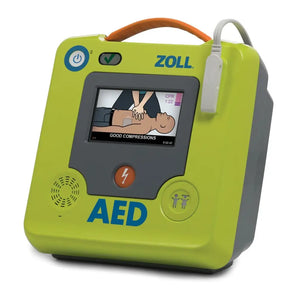
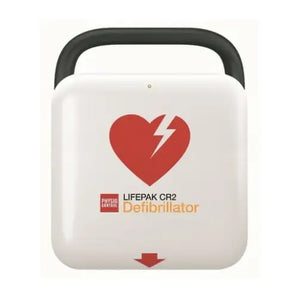
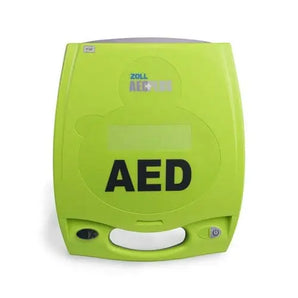
Many organizations proudly install an Automated External Defibrillator (AED) and assume they are prepared for a cardiac emergency. While purchasing an AED is an important first step, it is only the beginning of creating an effective life-saving program.
An AED that is not properly maintained may not perform as expected during a sudden cardiac arrest emergency. Unfortunately, many organizations are unaware of the ongoing responsibilities associated with AED ownership until they discover expired pads, depleted batteries, missing accessories, or incomplete inspection records.
The Reality of Cardiac Arrest in Canada
Approximately 60,000 out-of-hospital cardiac arrests occur in Canada each year. Research consistently shows that immediate CPR and rapid access to an AED can significantly improve survival outcomes.
Every minute matters when someone's heart stops.
The purpose of an AED is simple: analyze the heart rhythm and deliver a life-saving shock if needed. However, that can only happen if the AED is rescue-ready.
Organizations that have not yet purchased an AED can browse AED.ca's complete selection of AEDs at:
https://aed.ca/collections/aeds
Common AED Maintenance Issues
Over the years, AED.ca has inspected hundreds of AED programs across Canada. Some of the most common issues we encounter include:
-
Expired electrode pads
-
Expired or depleted batteries
-
Missing rescue kits
-
Missing inspection documentation
-
Unregistered AEDs
-
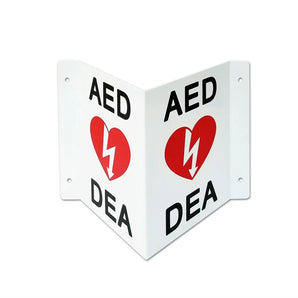
AEDs stored in inaccessible locations
-
Devices that have not been inspected for months or years
Many organizations purchase an AED with good intentions but lack a clear maintenance process to ensure ongoing readiness.
Why Documentation Matters
Regular AED inspections are important, but documented inspections are equally critical.
In the event of a workplace incident, organizations may be asked to demonstrate that their AED was properly maintained and inspected. Digital records provide evidence that the device was monitored and maintained according to manufacturer recommendations.
Organizations increasingly require audit-ready documentation for safety programs, insurance requirements, and internal compliance processes.
Learn more about AED.ca's professional AED Maintenance Services:
https://aed.ca/pages/aed-maintenance-plans
AED Ownership Is Similar to Fire Safety Equipment
Most businesses would never install a fire extinguisher and ignore it for years. Fire extinguishers require inspections, servicing, and documentation to remain operational and compliant.
AEDs should be treated the same way.
An AED is a critical emergency response device that requires ongoing oversight to ensure it is ready when needed.
Organizations operating in Ontario should also review current AED regulations and compliance requirements:
Construction companies can also learn more about Ontario construction AED compliance requirements at:
https://aed.ca/blogs/news/ontario-s-new-aed-requirement-for-construction-sites-effective-jan-1-2026
The Benefits of a Professional AED Maintenance Program
A professional AED maintenance program helps eliminate the administrative burden associated with AED ownership.
Benefits can include:
-
Annual on-site inspections
-
Digital maintenance records
-
Automated expiry tracking
-
Pad replacement management
-
Battery replacement management
-
AED registry support
-
Compliance reporting
-
Loaner AEDs during repairs
-
Ongoing technical support
Rather than relying on busy staff members to manually track expiry dates and inspections, organizations can have confidence that their AED program is being professionally managed.
AED.ca's Full-Service AED Maintenance Program includes annual inspections, expiry tracking, compliance support, replacement pads and batteries, digital records, and loaner AED coverage:
https://aed.ca/pages/aed-maintenance-plans
Technology Is Changing AED Program Management
Modern AED programs are increasingly moving away from paper inspection logs.
Digital inspection platforms now allow organizations to track AED assets, document inspections, monitor expiry dates, and maintain compliance records electronically.
AED.ca's inspection process utilizes TapReport scan-enabled technology and digital reporting to create time-stamped inspection records that can be accessed whenever needed.
Organizations with multiple locations can benefit from centralized tracking and compliance reporting through AED.ca's inspection and maintenance services.
Organizations looking for AED Registry support can learn more here:
https://aed.ca/blogs/news/provincial-aed-registries-in-canada-guide
Protecting Your Investment
An AED is one of the most important safety investments an organization can make. However, the device can only save a life if it is properly maintained and immediately ready for use.
Organizations that invest in routine inspections, documentation, and maintenance significantly reduce the risk of discovering a problem during an emergency.
The question is not simply:
"Do we have an AED?"
The better question is:
"Can we prove our AED is rescue-ready today?"
About the Author
Martin Andrews is President of AED.ca, Canada's AED Company. He works with businesses, schools, construction companies, healthcare organizations, and community groups across Canada to help improve cardiac emergency preparedness through AED sales, inspections, maintenance programs, compliance support, and ongoing AED program management.
AED.ca provides AED sales, inspections, maintenance services, compliance reporting, and AED program support to organizations across Canada.
Visit AED.ca to learn more: