Top Trending AED Topics in Canada Today
Automated External Defibrillators (AEDs) continue to play a growing role in workplace safety, public health, and emergency preparedness across Canada. As awareness of sudden cardiac arrest increases, organizations are asking better questions — not just about owning an AED, but about placement, compliance, maintenance, and long-term readiness.
Below are the top AED topics currently trending in Canada, and why they matter.
1. AED Maintenance & Compliance Requirements
One of the most discussed AED topics today is maintenance compliance. Many organizations are realizing that simply owning an AED is not enough.
Trending concerns include:
-
Expired AED pads and batteries
-
Missed inspection schedules
-
Lack of documentation
-
Liability exposure if an AED fails during an emergency
Across Canada, more companies are turning to full-service AED maintenance programs to ensure their AED defibrillator is always rescue-ready. Proper maintenance reduces risk, improves response outcomes, and provides peace of mind.
2. Workplace AED Programs & Due Diligence
Employers are increasingly asking whether they have a legal or moral duty to install AED machines in the workplace.
While regulations vary by province, many organizations are choosing to install AEDs proactively as part of:
-
Health and safety programs
-
Due diligence policies
-
Insurance and risk-management strategies
Trending discussions focus on best practices for AED placement, staff awareness, and ensuring AED programs are professionally supported.
3. Public Access AED Expansion in Canada
Public access AED programs are expanding rapidly across:
-
Municipal buildings
-
Sports facilities
-
Schools and daycares
-
Condominiums and residential communities
Canadians are increasingly aware that sudden cardiac arrest can happen anywhere, and access to an AED before emergency services arrive dramatically improves survival rates.
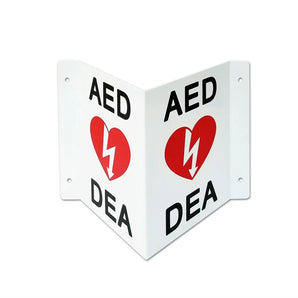
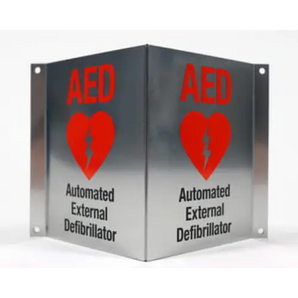
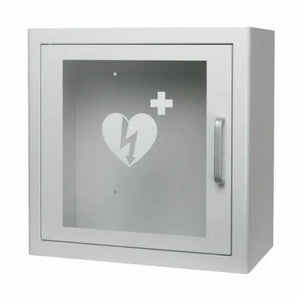
This has led to renewed focus on AED visibility, signage, and accessibility in public spaces.
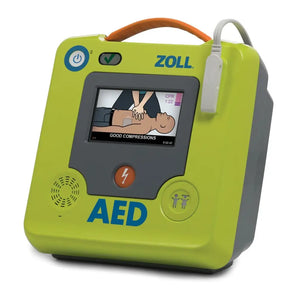
4. Advanced AED Technology & CPR Feedback
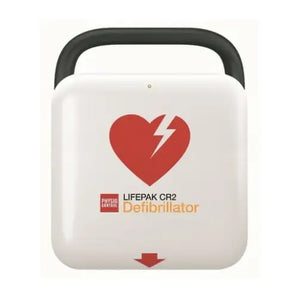
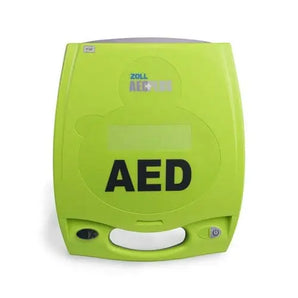
Another major trend is the shift toward next-generation AED technology.
Organizations are prioritizing AEDs that offer:
-
Real-time CPR feedback
-
Clear audio and visual instructions
-
Adult and child rescue with one set of pads
-
Longer pad and battery life
These features improve CPR quality and outcomes while lowering total cost of ownership — an important consideration for Canadian businesses and municipalities.
5. Liability Protection & Good Samaritan Laws
There is growing interest in understanding Good Samaritan protection in Canada when using an AED.
Trending questions include:
-
Who is protected when using an AED?
-
Does the business have liability exposure?
-
What documentation is required?
In Canada, Good Samaritan legislation generally protects individuals who use an AED in good faith. However, organizations still have a responsibility to ensure their AED is properly maintained and functional.
6. AEDs in Condos, Residential Buildings & HOAs
Residential AED installations are becoming increasingly common, especially in:
-
Condominiums
-
Retirement communities
-
Multi-residential buildings
Property managers are recognizing that having an AED on site improves resident safety and demonstrates proactive risk management. This trend has increased demand for managed AED programs rather than one-time device purchases.
7. Choosing a Specialized AED Company
A final trend is the move away from general suppliers toward specialized AED companies.
Organizations want:
-
Expert guidance
-
Reliable product recommendations
-
Canadian-based support
-
Ongoing service after the sale
This reflects a broader shift toward quality, accountability, and long-term AED program success rather than lowest-price purchasing.
Final Thoughts
AED awareness in Canada is evolving beyond basic ownership. Today’s conversations focus on readiness, reliability, and responsibility. Organizations that invest in the right AED, place it correctly, and maintain it properly are better prepared to respond when seconds matter most.
Staying informed on these trending AED topics helps ensure your organization is aligned with best practices — and ready to save a life.
Written by
AED.ca – Canadian AED Specialists
AED.ca
Barrie, Ontario, Canada
Phone: 1-833-428-3233
Email: info@aed.ca
Website: https://aed.ca
FAQ – Automated External Defibrillators (AEDs) in Canada
What is an AED and what does it do?
An Automated External Defibrillator (AED) is a portable medical device that analyzes the heart’s rhythm and delivers an electrical shock if needed to help restore a normal heartbeat during sudden cardiac arrest.
Are AEDs required by law in Canada?
AED requirements vary by province and municipality. While not mandatory in all workplaces, many organizations install AEDs as part of due diligence, health and safety programs, and risk management.
Can anyone use an AED?
Yes. AEDs are designed for use by the general public. They provide step-by-step audio and visual instructions and will only deliver a shock if medically necessary.
Do AEDs need regular maintenance?
Yes. AEDs require ongoing maintenance, including:
-
Regular inspections
-
Monitoring pad and battery expiration dates
-
Ensuring the device passes self-tests
A poorly maintained AED may fail during an emergency.
What happens if an AED is not properly maintained?
If an AED is not maintained and fails during a cardiac emergency, the organization may face increased liability exposure and reduced chances of survival for the victim.
Are people protected when using an AED in Canada?
Yes. Good Samaritan laws in Canada generally protect individuals who use an AED in good faith during an emergency. However, organizations still have a responsibility to keep their AED operational.
Where should an AED be located?
AEDs should be placed in high-visibility, easily accessible locations such as:
-
Workplaces
-
Public buildings
-
Condos and residential complexes
-
Hotels, Restaurants, Coffee Shops
- Medical and Dental Offices
Clear signage is strongly recommended.
What type of AED is best for workplaces and public spaces?
AEDs with features such as real-time CPR feedback, adult/child capability, long-life pads and batteries, and clear visual instructions are increasingly recommended for Canadian organizations.
Why choose a specialized AED company instead of a general supplier?
A specialized AED company provides:
-
Expert product selection
-
Canadian-based support
-
Ongoing maintenance services
-
Long-term AED program management
This helps ensure compliance, reliability, and readiness.