What Are AEDs?
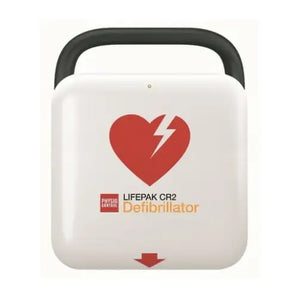
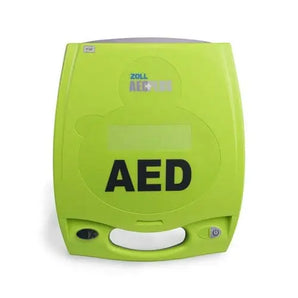
An Automated External Defibrillator (AED) is a life-saving medical device designed to treat sudden cardiac arrest (SCA) — a condition where the heart suddenly stops beating effectively. When used quickly, an AED can dramatically increase the chances of survival.
Understanding how an AED (AED Canada) works helps remove fear and hesitation, empowering everyday people to act confidently in an emergency.
What Happens During Sudden Cardiac Arrest?
Sudden cardiac arrest is most often caused by ventricular fibrillation (VF) or ventricular tachycardia (VT) — dangerous heart rhythms where the heart quivers or beats too fast to pump blood.
Without immediate intervention:
-
Blood flow to the brain stops
-
Irreversible brain damage can begin within minutes
-
Survival chances drop by 7–10% for every minute without defibrillation
This is where an AED becomes critical.
How an AED Works — Step by Step
1. The AED Is Turned On
AEDs are designed for untrained users. Once powered on, the device immediately provides clear voice and visual instructions, guiding the rescuer through every step.
2. Pads Are Applied to the Chest
Adhesive electrode pads are placed on the person’s bare chest. These pads:
-
Detect the heart’s electrical activity
-
Allow the AED to “read” the heart rhythm
Modern AEDs automatically adjust for adult or child rescue, often using the same set of pads.
3. The AED Analyzes the Heart Rhythm
The AED quickly determines whether the heart rhythm is shockable or non-shockable.
👉 Important:
An AED will not deliver a shock unless it is medically necessary. It is impossible to shock someone who does not need it.
4. A Shock Is Delivered (If Needed)
If a shockable rhythm is detected:
-
The AED instructs everyone to stand clear
-
A controlled electrical shock is delivered
This shock helps reset the heart’s electrical system, giving it the chance to return to a normal rhythm.
5. CPR Is Guided and Continued
After the shock — or if no shock is advised — the AED prompts the rescuer to perform CPR.
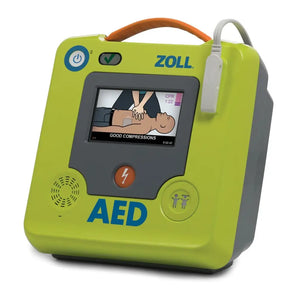
Advanced AEDs, such as those recommended by AED.ca, provide:
-
Real-time CPR feedback
-
Audio and visual coaching on depth and rate
-
Timed prompts to reduce rescuer fatigue
Why AEDs Are Safe for Anyone to Use
AEDs are among the safest medical devices in the world:
-
They analyze before acting
-
They will not shock unless appropriate
-
They provide step-by-step instructions
-
Canadian Good Samaritan laws protect rescuers acting in good faith
You do not need medical training to save a life with an AED (AED Defib).
Why AED Placement and Maintenance Matter
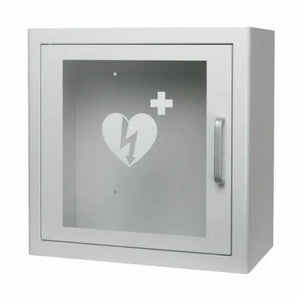
An AED only saves lives if it is:
-
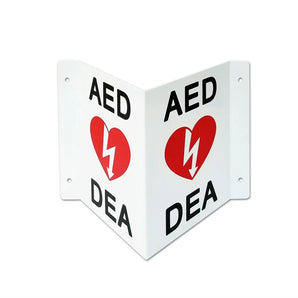
Accessible
-
Visible
-
Fully operational
Pads and batteries expire, self-tests must pass, and inspections must be documented. This is why AED.ca strongly recommends pairing every AED with a full-service maintenance plan, ensuring the device is always rescue-ready.
Why AED.ca Recommends Professionally Supported AEDs
At AED.ca, AEDs are not an add-on — they are our entire focus.
We carefully select AEDs that:
-
Are proven in real-world rescues
-
Offer long pad and battery life
-
Provide advanced CPR feedback
-
Have reliable manufacturer support in Canada
We don’t sell every AED on the market — only the ones we trust to perform when a life is on the line.
Final Thoughts
An AED works by analyzing the heart, delivering a shock only if needed, and guiding rescuers through CPR — all within minutes. When paired with fast action and proper maintenance, AEDs turn bystanders into lifesavers.
Having an AED on-site isn’t just about compliance — it’s about being ready when seconds matter most.
Written by
AED.ca – Canadian AED Specialists
📍 Physical Address:
AED.ca
Barrie, Ontario, Canada
📞 Phone: 1-800-XXX-XXXX
✉️ Email: info@aed.ca
🌐 Website: https://aed.ca