Why Newer Is Safer, Smarter, and More Affordable Than You Think
Automated External Defibrillators (AEDs) save lives—but like all critical technology, they are not designed to last forever. While many organizations view an AED as a one-time purchase, responsible AED ownership includes planning for maintenance, support, and eventual replacement.
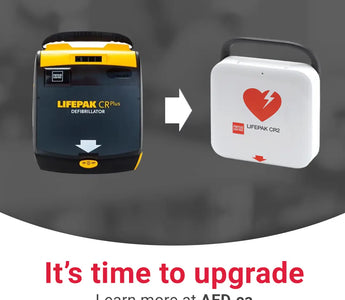
Upgrading your AED at the right time—typically at the end of its warranty period—ensures reliability, compliance, and access to the latest life-saving technology. At AED.ca, we help organizations across Canada understand when an AED should be upgraded and why doing so is more affordable than most people realize.
Introduction
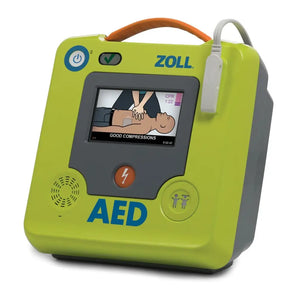
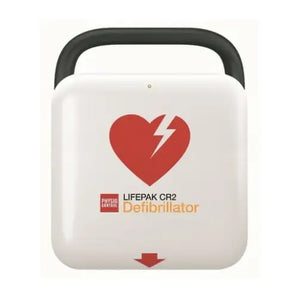
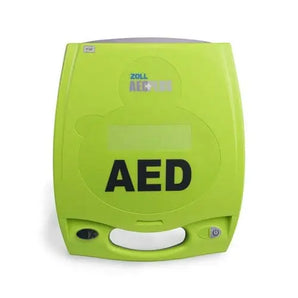
Upgrading an AED(AED Canada) at the end of its warranty period ensures continued reliability, manufacturer support, and access to modern life-saving technology. Most AEDs are designed to last approximately 7–8 years, making planned upgrades affordable when costs are spread over time. Newer AEDs offer improved CPR feedback, longer-lasting batteries, clearer instructions, and lower total cost of ownership. AED.ca helps organizations identify AED age, determine upgrade timing, and access special AED upgrade programs that make replacing older devices simple and cost-effective.
Why AEDs Should Be Upgraded at the End of Warranty
Most modern AEDs are designed with an expected service life of approximately 7–8 years, which aligns closely with standard manufacturer warranty periods. This timeline is intentional. As AEDs age, internal components, software, and diagnostic systems become more likely to fail or fall out of manufacturer support.
Upgrading your AED at the end of its warranty period helps ensure:
-
Continued reliability in an emergency
-
Ongoing manufacturer and technical support
-
Availability of replacement parts, pads, and batteries
-
Compliance with current safety and performance standards
-
Reduced risk of unexpected failure during a cardiac emergency
Once an AED is out of warranty, repairs can be expensive or no longer available at all. In some cases, older AED models are discontinued entirely, leaving organizations with devices that cannot be serviced or supported.
AEDs Are More Affordable Than You Think
When viewed over their full lifespan, AEDs are one of the most cost-effective safety investments an organization can make.
For example:
-
A $2,000 AED used over 8 years costs roughly $250 per year
-
That works out to about $21 per month for a life-saving medical device
Compared to the potential cost of equipment failure—or the value of a human life—this makes planned AED replacement extremely affordable. Spreading the cost over years helps organizations budget responsibly while maintaining readiness.
How AEDs Compare to Other Technology We Regularly Upgrade
Most organizations routinely upgrade essential technology more often than they upgrade AEDs, including:
-
Smartphones every 2–4 years
-
Computers and tablets every 4–6 years
-
Security systems every 5–7 years
-
Software on an ongoing or annual basis
Yet AEDs are emergency medical devices expected to perform flawlessly—often after sitting unused for years. Planning to upgrade an AED every 7–8 years is consistent with how we manage other critical technology and is a responsible approach to risk management.
How to Determine When Your AED Was Manufactured
Many organizations are unsure how old their AED Defib actually is. You can often determine the age of your AED by:
-
Checking the serial number label on the back or underside of the device. The year is often part of the serial number. i.e. X2545454 = 2025
-
Looking for a manufacture date or lot code on the unit
-
Checking inside the battery compartment
-
Reviewing original purchase records or invoices
If this information is unavailable or unclear, AED.ca can help identify your AED’s age, model status, and warranty eligibility—even if the device was not purchased from us.
AED Upgrade Readiness Checklist
Is Your AED Due for an Upgrade?
Use this checklist to determine whether it’s time to replace your AED:
-
Your AED is 6–8 years old or older
-
The device is out of warranty or nearing warranty expiration
-
Replacement pads or batteries are discontinued or difficult to source
-
The manufacturer no longer supports the model
-
The AED lacks modern CPR feedback or visual prompts
-
Repairs would be out-of-pocket or unavailable
-
You’re unsure of the AED’s manufacture date
If even one of these applies, it’s worth reviewing your AED with a specialist.
Why Newer AEDs Improve Outcomes
AED technology has advanced significantly in recent years. Newer AEDs offer:
-
Real-time CPR feedback that improves compression quality
-
Clearer audio and visual instructions for rescuers
-
Faster rhythm analysis and shock delivery
-
Longer-lasting pads and batteries
-
Lower total cost of ownership
-
Simplified maintenance and readiness checks
Upgrading ensures that trained and untrained responders alike have the best possible tools available during a sudden cardiac arrest.
Real-World Experience Matters
Many organizations contact AED.ca after discovering their AED is 10–15 years old, out of warranty, and no longer supported—often without realizing it. Planned upgrades prevent last-minute emergencies, unexpected costs, and compliance issues, while ensuring life-saving equipment is always ready.
How AED.ca Makes Upgrading Easy
At AED.ca, we understand that upgrading an AED can feel overwhelming, especially when budgets are tight. That’s why we offer special AED upgrade programs designed to make replacement simple and affordable.
Our upgrade programs help:
-
Reduce upfront replacement costs
-
Transition away from discontinued or unsupported AED models
-
Simplify compliance and ongoing maintenance
-
Ensure your AED program remains ready and reliable
If you’re unsure whether your AED should be upgraded, AED.ca can review your device’s age, warranty status, and readiness—with no obligation.
The Bottom Line
An AED is not a “set it and forget it” purchase. Like any critical medical technology, it must be maintained, supported, and eventually replaced.
By planning to upgrade your AED at the end of its warranty period, you:
-
Reduce risk
-
Improve safety outcomes
-
Access better technology
-
Keep costs predictable and affordable over time
If you’re unsure whether your AED is due for an upgrade, AED.ca is here to help.
Author Bio & Contact Information
Written by AED.ca – Canadian AED Specialists
AED.ca is a Canadian-owned company focused exclusively on Automated External Defibrillators (AEDs). AEDs are not an add-on to our business—they are our only business. We help organizations across Canada select, maintain, upgrade, and manage AED programs that are compliant, reliable, and ready to save lives.
With decades of combined industry experience, AED.ca supports schools, workplaces, gyms, municipalities, and public-access facilities with expert guidance, full-service AED maintenance plans, and flexible AED upgrade programs.
📍 Address:
AED.ca
Barrie, Ontario, L4M 6P1
📞 Phone:
1-833-428-3233
📧 Email:
info@aed.ca
🌐 Website:
https://aed.ca