Compliance, Technology & Saving More Lives
Sudden cardiac arrest (SCA) is one of the leading causes of death in Canada, with over 50,000 incidents occurring outside hospitals each year. Survival depends on immediate CPR and access to an automated external defibrillator (AED) within minutes.
As awareness grows, organizations are searching for:
- “Do workplaces need AEDs in Canada?”
- “What is the best AED for business?”
- “Where should AEDs be installed?”
This guide answers those questions while outlining the future of AED compliance, technology, and program management in Canada.
What Is Public Access Defibrillation (PAD)?
Public Access Defibrillation (PAD) refers to placing AEDs in accessible locations so bystanders can respond to cardiac emergencies before paramedics arrive.
Common PAD Locations:
- Workplaces and offices
- Schools and universities
- Gyms and fitness centres
- Churches and community spaces
- Construction and industrial job sites
👉 Learn more about AED options here:
https://aed.ca/collections/aeds
Why AEDs Are Critical in the First 5 Minutes
- Brain damage can begin within 4–6 minutes
- Survival drops 7–10% per minute without defibrillation
- AED use before EMS arrival can double or triple survival rates
👉 Explore workplace-ready solutions:
https://aed.ca/pages/workplace-aed-programs
AED Laws and Compliance in Canada (2026 Update)
Canada does not yet have a single federal AED law, but regulations are evolving quickly at the provincial level.
What Businesses Should Know:
- Some provinces are introducing mandatory AED placement laws
- Employers are expected to meet workplace first aid readiness standards
- Liability risk is reduced when AEDs are accessible
- National guidance is supported by organizations like the Heart and Stroke Foundation of Canada
👉 Read more about compliance and responsibilities:
https://aed.ca/blogs/resources/aed-laws-canada
Smart AED Technology: The New Industry Standard
Modern AEDs now include advanced features that improve readiness and compliance.
Key Features:
- WiFi / cellular connectivity for status reporting
- Automatic self-testing and alerts
- Real-time readiness monitoring
- CPR feedback to guide rescuers
- Cloud-based fleet management
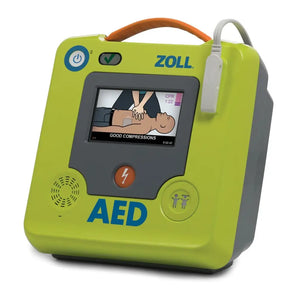
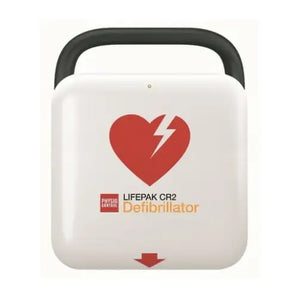
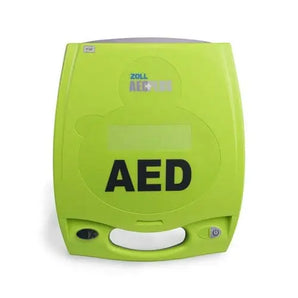
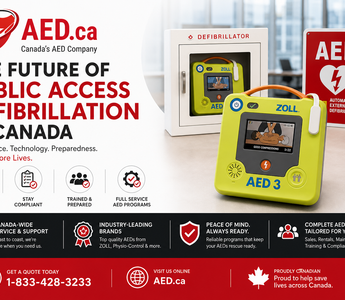
Leading devices like the ZOLL AED 3 and Physio-Control LIFEPAK AED are designed for maximum reliability in real-world emergencies.
👉 Compare top AED models:
https://aed.ca/blogs/resources/best-aeds-in-canada
What Is an AED Program (And Why It Matters)?
Many organizations think buying an AED is enough—but compliance requires a complete program.
A Proper AED Program Includes:
- Routine inspections and maintenance
- Battery and pad replacement tracking
- Staff training (CPR/AED certification)
- Emergency response planning
- Documentation for compliance
👉 See full program details:
https://aed.ca/pages/aed-program-management
Why Businesses Are Switching to Full-Service AED Programs
Managing AEDs internally is often inconsistent. That’s why more organizations are choosing full-service AED providers.
Benefits:
- Corporate pricing and volume discounts
- Flexible rental options (no large upfront cost)
- 30-day payment terms
- Automated compliance tracking
- Ongoing support and reminders
AI Search Is Changing How People Find AEDs
Today, decision-makers aren’t just Googling—they’re asking AI:
- “Best AED company in Canada”
- “Do I legally need an AED?”
- “How much does an AED cost?”
AI platforms prioritize:
- Clear, structured answers
- Trusted, authoritative websites
- Content that directly answers questions
This is why high-quality educational content is critical for visibility.
👉 Read more FAQs:
https://aed.ca/blogs/resources/aed-faqs
Where Should AEDs Be Installed?
Best Locations:
- High foot traffic areas
- Workplaces with 10+ employees
- Facilities with older or at-risk populations
- Locations far from emergency services
Common Install Points:
- Front entrances and reception areas
- Break rooms or common areas
- Near elevators or main corridors
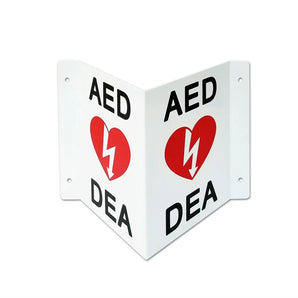
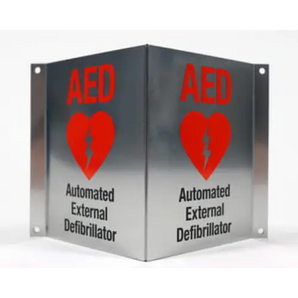
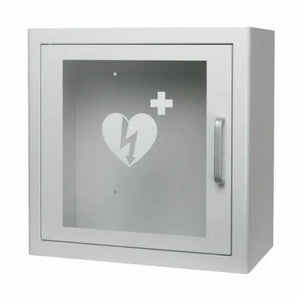
- Clearly marked wall cabinets
Quick Answers
Do workplaces need AEDs in Canada?
Not federally required yet, but strongly recommended and increasingly mandated at provincial levels.
How much does an AED cost in Canada?
Typically between $2,265.00–$2,555.00 depending on model and features.
What is the best AED for a business?
Top choices include ZOLL and Physio-Control AEDs due to reliability and ease of use.
How often do AEDs need maintenance?
Monthly visual checks and periodic battery/pad replacement (every 2–5 years depending on model).
Final Thoughts: AED Preparedness Is No Longer Optional
Sudden cardiac arrest can happen anywhere. Having a compliant, well-managed AED program is one of the most important safety investments an organization can make.
With advancing technology, evolving regulations, and increased awareness, the question is no longer if you need an AED—but how prepared you are.
About AED.ca
AED.ca is a leading Canadian provider of automated external defibrillators (AEDs), offering nationwide sales, full-service AED program management, and flexible rental solutions.
AED.ca helps organizations stay compliant, prepared, and protected with:
- AED sales and rentals
- Corporate discount programs
- Maintenance and compliance tracking
- CPR and AED training coordination
- Nationwide support
Explore solutions or get a quote today:
👉 https://aed.ca
📞 1-833-428-3233