
The Truth About AED Liability in Canada

One of the most common concerns people have about Automated External Defibrillators (AEDs) is:
"What if I use an AED and something goes wrong? Can I be sued?"
The good news is that Canadians who use an AED in an emergency are protected by Good Samaritan laws and other legislation designed to encourage people to help save lives.
In fact, the law recognizes that taking action during a sudden cardiac arrest is far better than doing nothing at all.
Yes, You Are Protected When Using an AED
Across Canada, Good Samaritan legislation provides legal protection to individuals who voluntarily assist someone experiencing a medical emergency.
This protection typically applies when:
-
You act in good faith.
-
You are trying to help someone in distress.
-
You do not expect payment for your assistance.
-
You are not grossly negligent.
In simple terms, if you use an AED to try to save someone's life during a cardiac arrest, the law is generally on your side.
Ontario's Chase McEachern Act
In Ontario, the Chase McEachern Act provides additional protections related to AED use.
Named after Chase McEachern, a young Ontario boy who advocated for greater access to AEDs before his passing, the legislation helps protect:
-
Individuals who use an AED in good faith.
-
Property owners who make AEDs available to the public.
-
Organizations that install AEDs for emergency use.
The goal of the legislation is simple: remove the fear of liability and encourage more AEDs to be available in workplaces, schools, churches, community centres, sports facilities, condominiums, and public buildings.
Can an AED Hurt Someone?
Another common concern is whether an AED can accidentally shock someone who does not need it.
The answer is no.
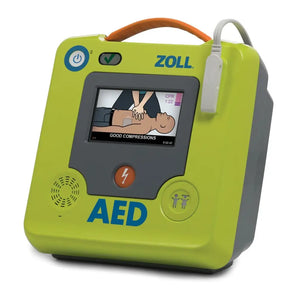
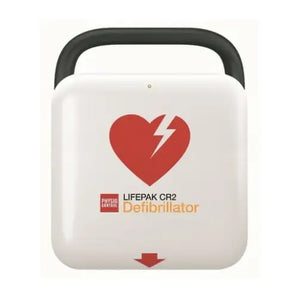
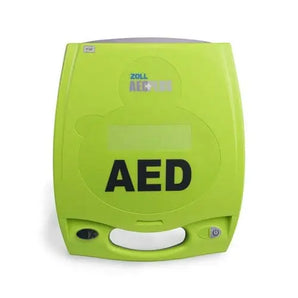
Modern AEDs such as the ZOLL AED 3, ZOLL AED Plus, and Physio-Control LIFEPAK CR2 are designed with sophisticated technology that analyzes the patient's heart rhythm.
The AED will only deliver a shock if a shockable rhythm is detected.
If a shock is not needed, the device will not allow one to be delivered.
This built-in safety feature is one reason AEDs are approved for use by members of the public with little or no training.
Do You Need Training to Use an AED?
No.
AEDs are specifically designed to be used by ordinary people.
When turned on, the device provides:
-
Clear voice instructions.
-
Visual prompts.
-
CPR coaching.
-
Step-by-step guidance throughout the rescue.
While CPR and AED training are always recommended, lack of training should never prevent someone from helping during an emergency.
If someone suffers a sudden cardiac arrest, immediate action can double or even triple survival rates.
What Happens If You Do Nothing?
Many people worry about liability when helping.
The greater risk is often doing nothing.
For every minute that passes without CPR and defibrillation:
-
Survival rates decrease by approximately 7–10%.
-
Brain damage can begin within minutes.
-
The chances of survival drop dramatically before paramedics arrive.
Using an AED immediately can mean the difference between life and death.
Are Businesses Protected for Having an AED?
Yes.
Organizations that install AEDs are not increasing their liability by having one available.
In fact, legislation such as Ontario's Chase McEachern Act was specifically designed to encourage organizations to provide AED access without fear of lawsuits.
Businesses should still:
-
Follow manufacturer maintenance recommendations.
-
Replace expired pads and batteries.
-
Perform regular inspections.
-
Keep records of maintenance and readiness.
This helps ensure the AED is ready when needed and demonstrates responsible ownership.
Why More Canadians Are Installing AEDs
Today, thousands of Canadian organizations are choosing to install AEDs because:
-
Sudden cardiac arrest can happen anywhere.
-
Emergency medical services may take several minutes to arrive.
-
AEDs are simple and safe to use.
-
Good Samaritan protections reduce liability concerns.
-
Early defibrillation saves lives.
From offices and factories to churches, schools, sports facilities, retirement residences, and condominiums, AEDs are becoming an essential part of workplace and public safety programs.
The Bottom Line
If you use an AED in Canada to help someone experiencing sudden cardiac arrest, you are generally protected under Good Samaritan legislation and related provincial laws when acting in good faith.
Modern AEDs are designed to be safe, easy to use, and effective—even for people with no formal training.
The law is intended to encourage action, not discourage it.
When a life is on the line, using an AED is one of the safest and most important things you can do.
Need Help Choosing an AED?
AED.ca helps organizations across Canada with:
-
AED Sales
-
AED Maintenance Programs
-
AED Compliance Support
-
AED Training Referrals
Whether you're protecting a workplace, church, school, sports facility, condominium, or community organization, our team can help you select the right AED and keep it rescue-ready.
Contact AED.ca today to learn more about protecting your people and your community.
About the Author
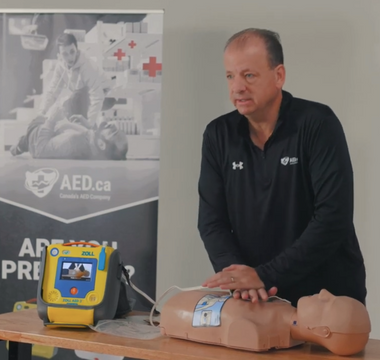
Martin Andrews is President of AED.ca, one of Canada's leading providers of Automated External Defibrillators (AEDs), inspections, maintenance, and compliance services. AED.ca helps organizations across Canada implement life-saving AED programs and ensure their devices remain ready for use when every second counts.