What This Means
-
AEDs in Schools are becoming a priority in multiple provinces: Quebec and BC are mandating AEDs in schools; Ontario’s Bill 141 (https://aed.ca/blogs/news/bill141) is also pushing public premises. Schools are often a logical place for AEDs (high population, known hours, staff present).
-
Legislation is trending toward making AEDs more than just “recommended”: e.g. BC’s school mandate (https://aed.ca/blogs/news/british-columbia-leads-canada-with-3-5-million-aed-expansion-program); Ontario’s construction site requirement (https://aed.ca/blogs/news/fef); Quebec’s commitment. These laws shift responsibility onto institutions/government rather than voluntary action.
-
AED Defib registries & apps are becoming more common: Knowing where AEDs are located is essential (dispatch, bystanders). BC’s PulsePoint, Ontario’s AED registry are examples.
-
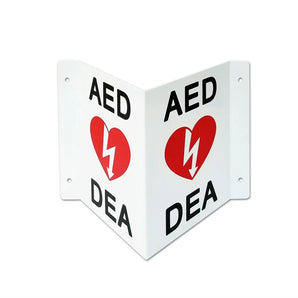
Funding & support matter: Mandates help, but cost of devices, maintenance, signage, training, inspections are nontrivial. Provinces that are providing funding (BC’s $3.5M, Quebec’s school budget, proposed WSIB reimbursement in Ontario) are more likely to see smoother implementation.
-
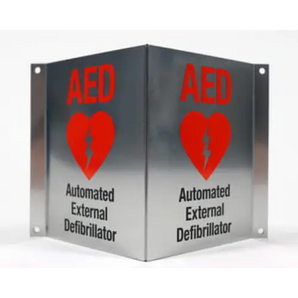
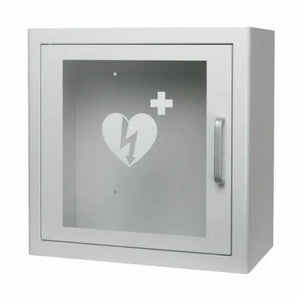
Urban vs rural challenges: Provinces are starting in higher-population areas, but rural/remote communities frequently lack both devices and the infrastructure (access, training). Also, in harsh climates, outdoor AEDs machines require proper housing, maintenance, or temperature control.
-
Timeline & enforcement are key: Some AED Canada mandates have effective dates in the near future (e.g. Ontario’s construction regulation starts Jan 1, 2026); BC’s school requirement by September 2026. But enforcement, inspections, ensuring compliance are steps that often lag behind announcements.
For more information contact AED.ca. Canada's AED Company!