
New AED Construction Law In Ontario has Passed
Effective January 1, 2026, Ontario construction companies will face new life-saving requirements that could impact your operations and budget.
What is Ontario Regulation 157/25?
Ontario Regulation 157/25 is a groundbreaking amendment to O. Reg. 213/91 under the Occupational Health and Safety Act (OHSA) that mandates the presence of Automated External Defibrillators (AEDs) on specific construction projects across the province. This regulation represents a significant step forward in workplace safety, acknowledging that construction workers face elevated risks of cardiac events.
Why This Regulation Matters
The statistics are sobering: cardiac events, including sudden cardiac arrest, rank among the leading causes of workplace fatalities in Ontario. Construction workers face particularly heightened risks due to the physical demands and stressful nature of their work environment. However, there's hope in the numbers – when properly deployed, defibrillators can improve cardiac arrest survival rates by more than 50%.
When Does It Take Effect?
Mark your calendars: January 1, 2026 is the compliance deadline. While this may seem far away, smart companies are already beginning their preparation process to ensure seamless implementation.
Does This Apply to Your Company?
Ontario Regulation 157/25 applies to construction projects that meet both of the following criteria:
- 20 or more workers are regularly employed at the project
- The project is expected to last at least three months
If your construction projects meet these thresholds, you'll need to comply with the new AED requirements.
What the Regulation Requires
1. AED Equipment Standards
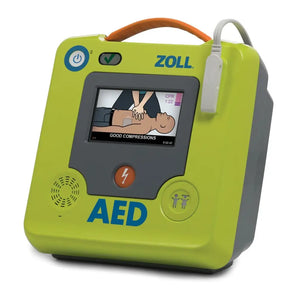
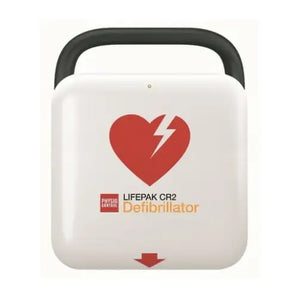
Your defibrillator must be licensed as a medical device by Health Canada. This ensures the device meets rigorous safety and effectiveness standards.
2. Required Accompanying Supplies
The regulation mandates that specific items be stored alongside each defibrillator:
- One cardiopulmonary resuscitation (CPR) mask
- One pair of scissors
- Two pairs of disposable medical-grade gloves
- One disposable razor
- One garbage bag
- Four absorbent towels
3. Storage Requirements
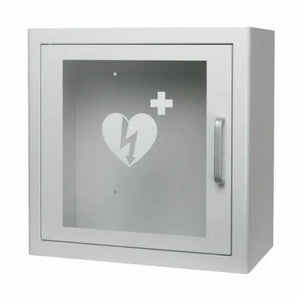
The AED and all accompanying items must be stored in a location that:
- Keeps all items together in one accessible place
- Protects equipment from dust, moisture, extreme temperatures, direct sunlight, and damaging substances
- Remains unobstructed for easy emergency access
4. Maintenance and Record-Keeping
Companies must:
- Maintain and test the defibrillator according to manufacturer specifications
- Conduct quarterly inspections
- Keep inspection records with the defibrillator at all times
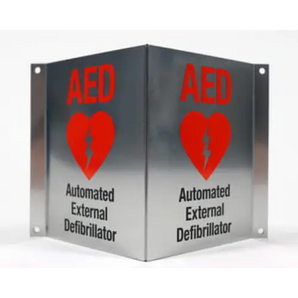
5. Clear Signage
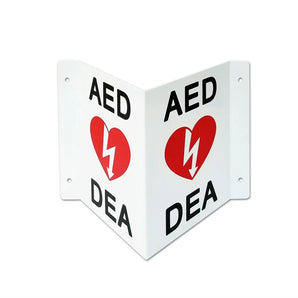
Proper signage must indicate the AED location using:
- A graphic symbol showing a heart with a lightning bolt
- The words "Automated External Defibrillator" or "AED"
- French equivalent text for bilingual compliance
6. Trained Personnel Requirements
At least one worker trained in both CPR and defibrillator operation must be present whenever work is in progress at the project site.
Financial Support Available
The Ontario government recognizes the financial impact of these new requirements. Bill 30, the Working for Workers Seven Act, 2025, proposes a reimbursement mechanism through the Workplace Safety and Insurance Board (WSIB) to help constructors offset AED-related costs. Eligible businesses may receive up to $2,300 in reimbursement.
Steps to Ensure Compliance
Immediate Actions (2025)
- Audit your current projects to identify which will require AED compliance
- Budget for equipment and training costs in your 2026 project estimates
- Research AED suppliers and begin vendor evaluation
- Identify training providers for CPR and AED operation
Pre-Implementation (Late 2025)
- Purchase Health Canada-licensed AEDs and required supplies
- Develop storage solutions that meet regulatory requirements
- Create or update workplace safety policies to include AED protocols
- Schedule worker training sessions for CPR and AED operation
- Design and order compliant signage
Ongoing Compliance (2026 and Beyond)
- Implement quarterly inspection schedules
- Maintain accurate records of all inspections and maintenance
- Ensure continuous training as staff turnover occurs
- Monitor equipment expiration dates and replace as needed
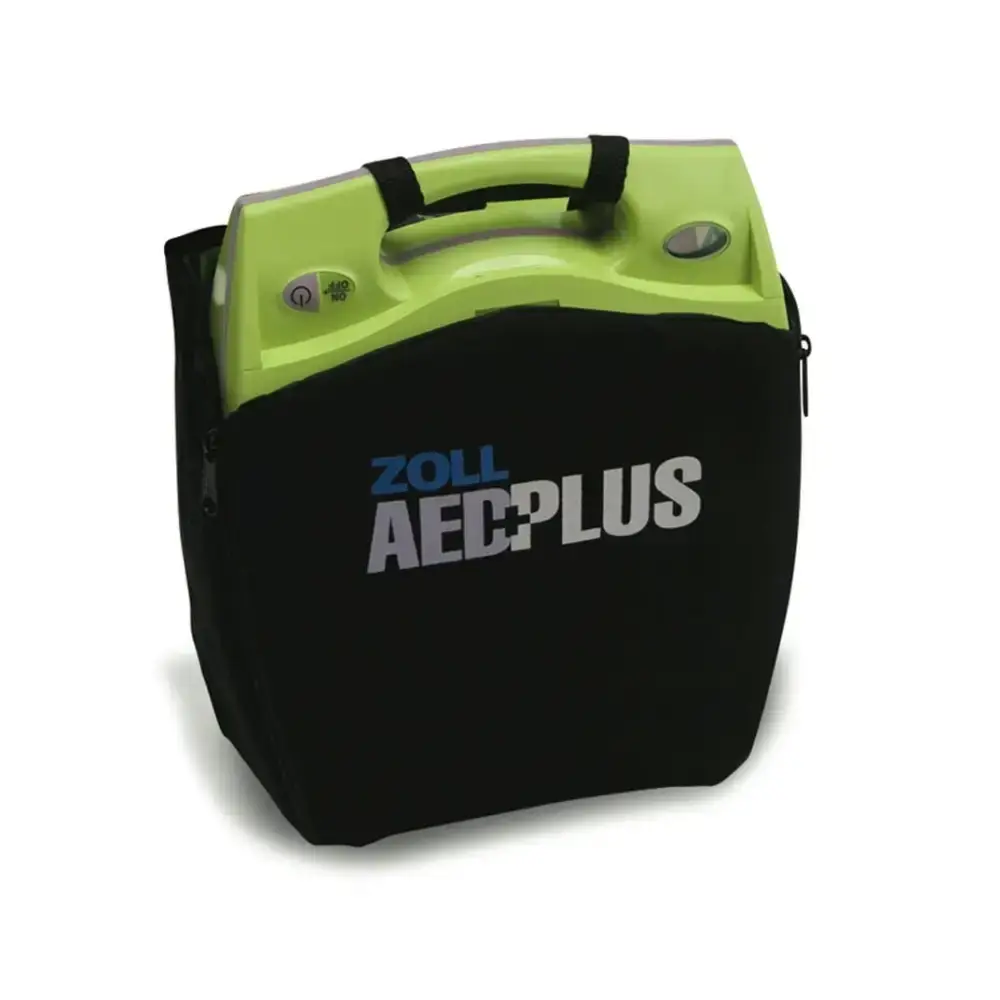
Recommended AED for Construction Companies
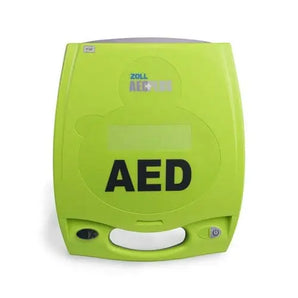
Zoll AED Plus
Reasons why recommend:
-
-
Real time Audio & Visual CPR feedback - improves positive outcomes by 50%
-
Pads and batteries both last 5 years - lowest cost of ownership
-
Highly resistant to dust and moisture and has an ingress protection (IP) rating of 55. This is among the highest in the industry.
-
 For more information go to:
Why Choose AED.ca for Your Compliance Needs?
When it comes to meeting Ontario Regulation 157/25 requirements, partnering with the right supplier can make all the difference. AED.ca stands out as the premier choice for Ontario construction companies seeking comprehensive AED compliance solutions.
Why AED.ca is Your Best Partner:
✓ Regulatory Expertise: Deep understanding of Ontario Regulation 157/25 requirements and how they apply to your specific projects
✓ Health Canada Licensed Products: All AEDs are fully licensed medical devices that meet regulatory standards
✓ Complete Compliance Packages: Everything you need in one purchase – AEDs, required supplies, storage solutions, and signage
✓ Ongoing Support: Maintenance reminders, inspection scheduling, and replacement part availability
✓ WSIB Reimbursement Assistance: Guidance through the reimbursement process to maximize your eligible benefits
✓ Local Ontario Focus: Understanding of provincial regulations and quick service delivery across Ontario
The Bottom Line
Ontario Regulation 157/25 represents more than just a compliance requirement – it's an investment in your workers' lives and your company's commitment to safety excellence. While the regulation doesn't take effect until January 2026, the companies that start preparing now will find the transition smoother and more cost-effective.
Don't wait until the last minute. Begin your compliance journey today by partnering with AED.ca, Ontario's trusted source for workplace AED solutions. Their expertise will help ensure your company not only meets the legal requirements but also creates a safer work environment for everyone.
Ready to get compliant? Contact AED.ca today to discuss your specific needs and develop a customized compliance plan that works for your construction projects.
This article provides general information about Ontario Regulation 157/25 and should not be considered legal advice. Consult with legal professionals and regulatory experts to ensure full compliance with all applicable requirements.