More accessible defibrillators put people at the heart of health care
Published: September 13, 2024: https://news.gov.bc.ca/releases/2024HLTH0147-001520
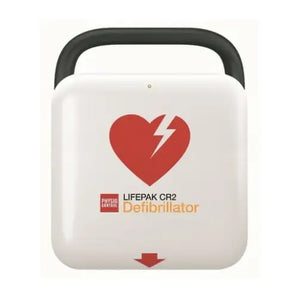
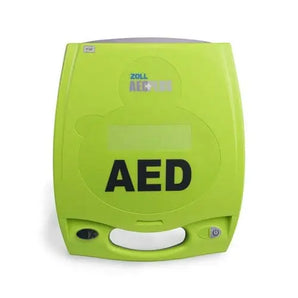
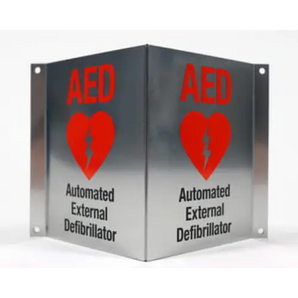
British Columbia is making headlines across Canada with its groundbreaking provincial AED expansion initiative, committing up to $3.5 million to dramatically increase public access to automated external defibrillators throughout the province. With full implementation expected by 2026, this program positions BC as a national leader in cardiac emergency preparedness.
A Game-Changing Investment in Public Safety
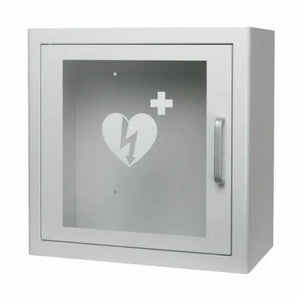
This substantial funding commitment represents one of the largest provincial investments in AED infrastructure Canada has ever seen. The program aims to strategically place life-saving defibrillators in high-traffic public areas, community centers, recreational facilities, and workplaces across British Columbia.
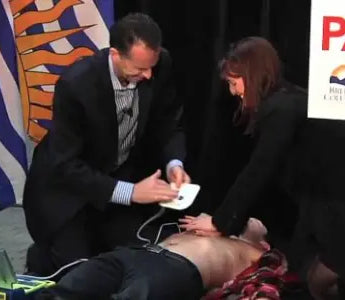
"When someone experiences sudden cardiac arrest, every second counts," explains Dr. Sarah Chen, a cardiac specialist at Vancouver General Hospital. "Having AEDs readily available in our communities can mean the difference between life and death."
Why This Matters for All Canadians
The statistics are sobering: approximately 45,000 Canadians experience sudden cardiac arrest annually, with survival rates typically below 10%. However, when an AED is used promptly, survival rates can increase dramatically to over 70%. BC's investment could potentially save hundreds of lives each year.
Key Benefits of BC's AED Expansion:
- Increased Survival Rates: More accessible AEDs mean faster response times and better outcomes
- Community Empowerment: Training programs will equip citizens with life-saving skills
- Economic Impact: Reduced healthcare costs and increased productivity from saved lives
- Provincial Model: Other provinces are watching BC's implementation for their own programs
Setting a National Precedent
While Ontario's Bill 141 focuses on registration and compliance, BC's approach emphasizes proactive deployment and community access. This dual strategy of regulatory framework and financial investment creates a comprehensive model that other provinces are likely to adopt.
"BC's program demonstrates what's possible when government prioritizes cardiac emergency preparedness," notes Mark Thompson, Executive Director of the Canadian AED Association. "We're already seeing inquiries from other provincial health ministries about similar initiatives."
Implementation Timeline and Locations
The rollout is strategically planned across three phases:
Phase 1 (Fall 2025): Metro Vancouver and Victoria regions Phase 2 (Spring 2026): Major urban centers including Kelowna, Prince George, and Kamloops
Phase 3 (Summer 2026): Rural communities and remote areas
Priority locations include:
- Shopping centers and malls
- Community and recreation centers
- Schools and universities
- Transit hubs and airports
- Workplace facilities
- Sports complexes and arenas
What This Means for Businesses and Organizations
BC's program creates opportunities for businesses and organizations to participate in this life-saving initiative. Many facilities will be eligible for partial or full funding to install AEDs, while training programs will be subsidized to ensure proper usage.
Action Steps for BC Organizations:
- Register Interest: Contact BC Health Services to express interest in the program
- Assess Your Facility: Evaluate high-traffic areas where AEDs would be most beneficial
- Plan for Training: Prepare staff training schedules for AED and CPR certification
- Consider Compliance: Ensure alignment with any future registration requirements
The Ripple Effect Across Canada
BC's bold investment is already influencing other provinces. Alberta is expanding its workplace AED guidance, while Quebec is reviewing similar funding mechanisms. This creates a competitive environment where provinces strive to improve cardiac emergency response capabilities.
The program also supports Canada's broader public health objectives, aligning with federal guidelines that encourage widespread AED placement in high-traffic areas.
Technology and Innovation
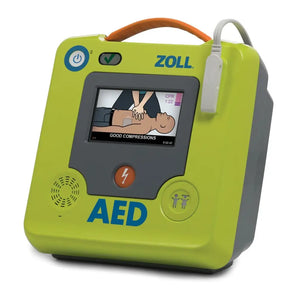
Modern AEDs included in BC's program feature advanced capabilities such as:
- Real-time CPR feedback and guidance
- Automatic heart rhythm analysis
- Multi-language voice prompts
- Connectivity for emergency services coordination
- Enhanced durability for various environmental conditions
These technological advances make AEDs more user-friendly and effective, even for individuals with no medical training.
Looking Ahead: 2026 and Beyond
As BC's program reaches full implementation in 2026, the province expects to have one of the highest AED-to-population ratios in North America. This infrastructure investment will serve communities for decades, with regular maintenance and replacement cycles ensuring continued effectiveness.
The success of this program will likely influence federal health policy, potentially leading to national standards for public AED access and funding mechanisms for other provinces.
How to Stay Informed
For organizations interested in participating in BC's AED expansion program, or individuals wanting to learn more about AED training opportunities:
- Visit the BC Health Services AED Program website: https://www.ephpp.ca/bc-pad-program
- Contact your local health authority
- Explore training options through certified providers
- Follow program updates through provincial health communications
Conclusion
British Columbia's $3.5 million AED expansion program represents more than just a health initiative—it's an investment in community resilience and emergency preparedness. As other provinces develop their own cardiac emergency response strategies, BC's comprehensive approach provides a proven model for saving lives and building safer communities.
The program demonstrates that when government, healthcare providers, and communities work together, significant improvements in public health outcomes are achievable. By 2026, BC will have established itself as a leader not just in Canada, but internationally, in public access to life-saving cardiac emergency equipment.
For more information about AEDs visit AED.ca. They are Canada's AED Company!