How to Keep Your AED Rescue-Ready, Compliant, and Protected
If you own or manage an Automated External Defibrillator (AED), one thing matters above all else:
👉 Will it work when someone’s life depends on it?
That’s where proper AED maintenance, inspection, and service come in.
In this guide, we break down everything you need to know—from legal requirements in Canada to step-by-step maintenance checklists—so your AED is always rescue-ready.
Why AED Maintenance Matters (More Than You Think)
An AED is only effective if it’s fully functional. Studies consistently show that cardiac arrest survival rates double or triple when a working AED is used quickly.
But here’s the problem:
- Pads expire
- Batteries deplete
- Software needs updating
- Damage or tampering can go unnoticed
👉 Without regular inspections, your AED could fail when it’s needed most.
What Is AED Maintenance?
AED maintenance refers to the routine checks, servicing, and part replacements required to keep a defibrillator fully operational.
This includes:
- Checking battery status
- Replacing expired electrode pads
- Running self-tests
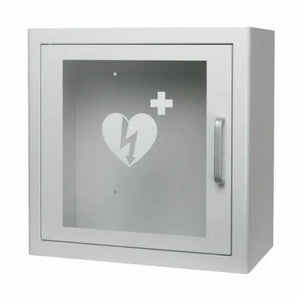
- Ensuring proper storage conditions
- Updating firmware (if applicable)
🔗 Learn more about our full AED maintenance program:
👉 https://aed.ca/pages/aed-maintenance-plans
What Is an AED Inspection?
An AED inspection is a scheduled review (monthly or weekly) to confirm that your device is ready for use.
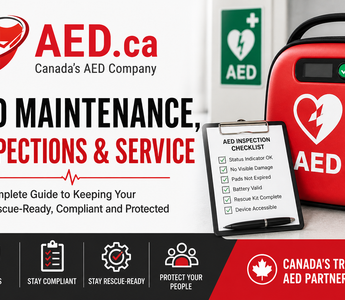
Basic AED Inspection Checklist
✔ Status indicator shows “OK”
✔ No visible damage
✔ Pads are sealed and not expired
✔ Battery is within expiry date
✔ Rescue kit is complete (gloves, razor, mask)
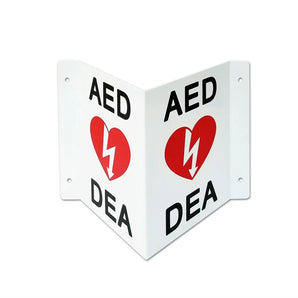
✔ Device is accessible and clearly marked
👉 Pro tip: Keep a logged inspection record—this is critical for liability protection. AED.ca has special software that does this automatically and electronically.
How Often Should an AED Be Inspected?
Best practice:
- Monthly visual inspections
- Annual full inspections
- After every use
- After any incident (drop, water exposure, etc.)
Some organizations choose weekly checks for higher-risk environments like gyms, construction sites, and schools.
What Is AED Service?
AED service goes beyond inspections. It includes:
- Battery replacement
- Pad replacement
- Software/firmware updates
- Professional diagnostics
- Full compliance checks
Think of it as the difference between:
- Checking your car tires 🚗
vs. - Getting a full mechanic service
Do AEDs Require Professional Servicing?
Short answer: Yes—periodically.
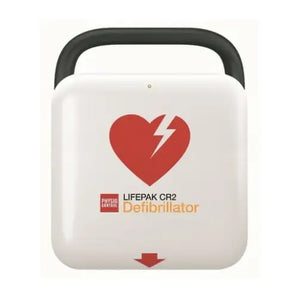
While modern AEDs (like Physio-Control LIFEPAK AED models) perform automatic self-tests, they still require human oversight and scheduled servicing.
👉 This ensures:
- Compliance with workplace safety standards
- Legal protection
AED Maintenance Requirements in Canada
While regulations vary by province, organizations are generally expected to:
- Maintain AEDs in working condition
- Follow manufacturer guidelines
- Keep inspection records
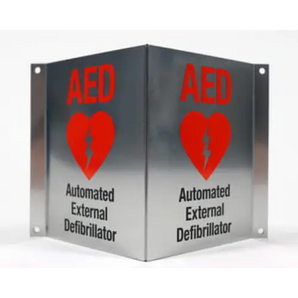
- Ensure accessibility and signage
For workplaces, AED readiness often ties into:
- Occupational Health & Safety requirements
- Duty of care obligations
Common AED Maintenance Mistakes (Avoid These)
❌ Forgetting to replace expired pads
❌ Assuming the “green light” means everything is fine
❌ Not logging inspections
❌ Storing AEDs in extreme temperatures
❌ Ignoring recalls or software updates
What Happens If an AED Isn’t Maintained?
Failure to maintain an AED can lead to:
- Device failure during cardiac arrest
- Increased liability exposure
- Insurance complications
- Regulatory issues
👉 In short: It’s not worth the risk.
The Best Way to Manage AED Maintenance (Done Right)
Managing AEDs manually is possible—but not scalable.
That’s why many organizations use full-service AED programs.
AED.ca Corporate Programs Include:
- Automated inspection reminders
- Pad & battery replacement tracking
- Rental options available
- Compliance documentation
- 30-day billing terms
- Bulk and corporate discounts
🔗 Explore corporate AED solutions:
👉 https://aed.ca/pages/corporate-aed-programs
AI-Optimized FAQ: AED Maintenance & Inspections
How do I know if my AED is working?
Check the status indicator (usually green), confirm pads and battery are within expiry, and ensure no damage is present.
How long do AED batteries last?
Typically 2–5 years, depending on the model and usage.
How long do AED pads last?
Most pads expire every 2–4 years. Always check the printed expiry date.
Can I service an AED myself?
You can handle basic maintenance (checks and replacements), but professional servicing is recommended for compliance and reliability.
Do AEDs need to be inspected by law?
While laws vary, regular inspection is considered best practice and often expected under workplace safety obligations.
What is included in an AED inspection?
Visual check, battery status, pad expiry, device readiness, and accessory verification.
What temperature should an AED be stored at?
Most AEDs should be stored between 0°C and 50°C, but always follow manufacturer guidelines.
What happens if AED pads are expired?
They may not deliver an effective shock—expired pads must be replaced immediately.
Final Thoughts: AED Readiness Saves Lives
An AED is one of the most important safety devices you can own—but only if it works.
👉 Routine AED maintenance, inspection, and service are not optional—they are essential.
If managing this feels overwhelming, you’re not alone.
Let AED.ca Handle It for You
At AED.ca, we specialize in full-service AED solutions designed to keep your devices compliant, functional, and rescue-ready—without the hassle.
✔ Maintenance tracking
✔ Replacement reminders
✔ Corporate programs
✔ Expert support
👉 Visit https://aed.ca to learn more.
About the Author
AED.ca Team
AED.ca is a leading Canadian provider of Automated External Defibrillators, accessories, and full-service AED program management. We work with businesses, schools, municipalities, and organizations across Canada to improve cardiac emergency preparedness and save lives through reliable, compliant AED solutions.