AEDs are Literal Life Savers
When someone experiences sudden cardiac arrest, every second counts. An Automated External Defibrillator (AED) can be the difference between life and death, yet many people don't fully understand what these life-saving devices are or how they work.
Understanding AEDs: The Basics
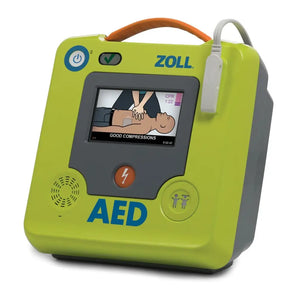
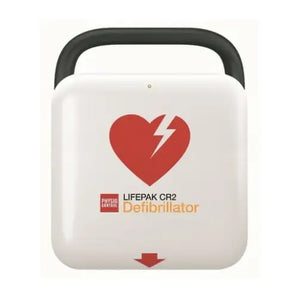
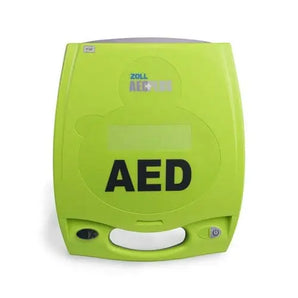
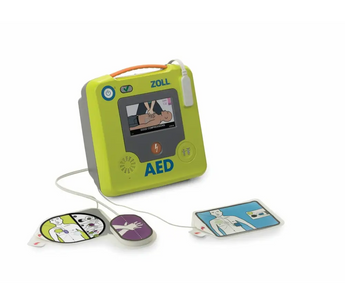
An Automated External Defibrillator (AED) is a portable, user-friendly medical device designed to diagnose and treat sudden cardiac arrest. AEDs work by analyzing the heart's rhythm and, when necessary, delivering an electrical shock to help restore a normal heartbeat. These devices are specifically engineered for use by non-medical personnel, making them accessible to anyone in an emergency situation.
How Does an AED Work?
AED machines use sophisticated technology to assess whether a person's heart needs defibrillation. When you place the AED pads on a victim's bare chest, the device automatically analyzes their heart rhythm. If it detects a life-threatening arrhythmia like ventricular fibrillation or ventricular tachycardia, the AED will either automatically deliver a shock or prompt the rescuer to press a button to administer the shock.
Modern AEDs provide clear, step-by-step voice instructions that guide users through the entire rescue process, from pad placement to CPR coaching. This makes AED use straightforward even for people without medical training.
Why Are AEDs Important?
Sudden cardiac arrest can happen to anyone, anywhere, at any time. According to health authorities, the survival rate for cardiac arrest decreases by approximately 10% for every minute that passes without defibrillation. Having an AED nearby and knowing how to use it can dramatically improve survival rates.
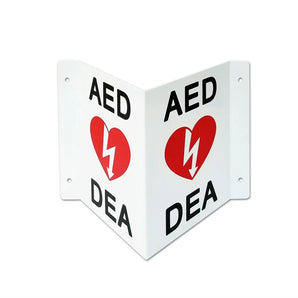
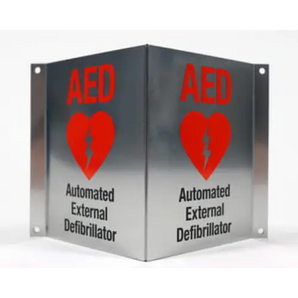
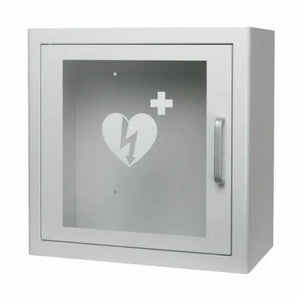
Public access defibrillators are now commonly found in schools, airports, shopping malls, sports facilities, and office buildings. This is a good start, but we need them available in many more buildings. Their availability reflects the critical role AEDs play in saving lives outside of hospital settings.
Types of AEDs Available
There are several types of AED devices on the market, each suited to different environments and users:
Fully Automatic AEDs analyze the heart rhythm and deliver a shock automatically without requiring the user to press a button. These are ideal for locations where users may be hesitant to take action.
Semi-Automatic AEDs require the user to press a shock button after the device determines a shock is needed. This gives the rescuer more control over the process.
Professional AEDs offer advanced features and manual override options for trained medical professionals and first responders.
Pediatric AEDs come with special pads or settings designed for children under eight years old or weighing less than 55 pounds.
AED Training and Certification
While AEDs are designed to be used by anyone, AED training and CPR certification provide valuable confidence and skills. Many organizations offer AED certification courses that teach proper device operation, CPR techniques, and emergency response protocols. These courses typically take just a few hours and can make you a more effective first responder.
Where to Buy an AED
When considering where to buy an AED, it's important to choose a reputable supplier that offers quality devices, proper training resources, and ongoing support. Look for suppliers that provide AED maintenance services, replacement supplies like pads and batteries, and guidance on AED compliance with local regulations.
AED Maintenance and Readiness
Owning an AED comes with the responsibility of keeping it rescue-ready. Regular AED maintenance includes checking battery levels, ensuring pads haven't expired, and performing routine device self-tests. Most modern AEDs perform automatic self-checks and have indicator lights that show their readiness status.
The Bottom Line
An AED is more than just a medical device—it's a critical tool that empowers ordinary people to save lives. Whether you're considering purchasing an AED for your business, school, or community organization, understanding how these devices work and their life-saving potential is the first step toward creating a safer environment for everyone.
Don't wait for an emergency to learn about AEDs. Take the time to familiarize yourself with these devices, consider getting trained, and advocate for AED access in your community. When cardiac arrest strikes, you'll be prepared to make a difference.
About the Author
Martin Andrews is the Owner of AED.ca, Canada's trusted source for automated external defibrillators and cardiac emergency equipment. With years of experience in the life-saving equipment industry, Martin is dedicated to making AEDs accessible to Canadian businesses, schools, and communities. His mission is to educate the public about the importance of AED readiness and provide top-quality defibrillators backed by expert support and service.