
The Sobering Reality: Survival Rates Plummet with Every Floor
If you live above the 25th floor of a Toronto condo, your chance of surviving a cardiac arrest in your building is essentially zero. This isn't speculation—it's the stark conclusion of medical research that should concern every condo board, property manager, and resident in our rapidly growing city.
Recent attention from Toronto City Council has brought this critical safety issue into focus. The planning and housing committee recently voted to explore making Automated External Defibrillators (AEDs) mandatory in high-rise buildings—and the medical evidence shows why this can't happen soon enough.
The Numbers That Demand Action
A comprehensive study published in the Canadian Medical Association Journal reveals a disturbing pattern:
- Below the 3rd floor: 4.2% survival rate
- Above the 3rd floor: 2.6% survival rate
- Above the 16th floor: 0.9% survival rate
- Above the 25th floor: Virtually no survivors
Compare this to the overall out-of-hospital cardiac arrest survival rate of just 10%—which can jump to 60% with immediate access to CPR and an AED.
Why such dramatic differences? The answer lies in time—specifically, the precious minutes lost to elevator waits, travel times, locked lobbies, concierge protocols, and searching for AEDs that are either absent or impossible to locate quickly.
Every Second Counts—Literally
When someone's heart stops beating, their organs are immediately deprived of oxygen. Within minutes, permanent brain damage begins. While emergency medical services strive for rapid response, Toronto traffic can mean wait times of 7, 8, or even 20 minutes.
As Dr. Lesley James, director of health policy and systems at the Heart and Stroke Foundation, explains, those first few minutes are absolutely critical. When a bystander can provide CPR combined with defibrillation before paramedics arrive, it doubles the chance of survival.
Yet retired paramedic Roberta Scott, now director of AED Foundation Ontario, notes that paramedics too often arrive at cardiac arrest scenes where no CPR has been performed and no AED has been used. At that point, even advanced medical interventions become nearly futile.
Toronto's Growing Vertical City Creates Growing Risk
Toronto's skyline continues its upward trajectory, with residential towers reaching 50, 60, even 70+ storeys. Most out-of-hospital cardiac arrests occur inside people's homes—not in the lobbies, gyms, or public spaces where AEDs are sometimes located.
Currently, Toronto's AEDs are concentrated in schools, airports, recreation centres, libraries, and municipal buildings on a voluntary basis. Ontario only mandates them at construction sites. In residential buildings, the decision falls entirely to landlords, condo boards, or housing associations.
This patchwork approach leaves thousands of Toronto residents vulnerable, particularly those living on higher floors.
What Other Cities Are Getting Right
Cities like Los Angeles and Seattle have already mandated AEDs in high-density residential buildings and transit systems—and they're seeing significantly better survival rates as a result. Manitoba has mandated the devices in high-traffic public spaces. The evidence is clear: where AEDs are readily available, more people survive.
The Solution: Strategic AED Placement in Every Toronto Condo
Just as fire extinguishers are strategically placed throughout buildings, AEDs should be positioned for maximum accessibility. For high-rise condos, this means:
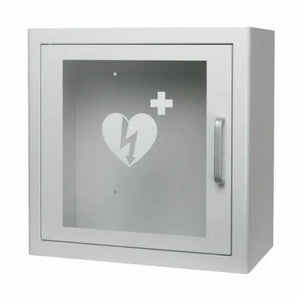
- Multiple AEDs on different floors, not just in the lobby
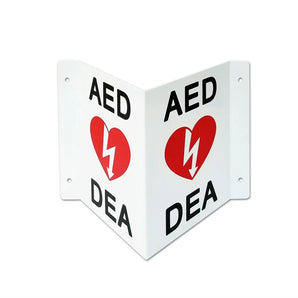
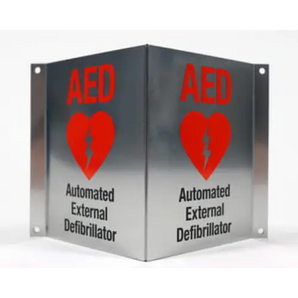
- Clear, visible signage indicating AED locations
- Registration with Ontario's provincial AED registry so 911 dispatchers can geolocate the nearest device
- Regular maintenance and inspection to ensure devices are always ready
-
Resident education on recognizing cardiac arrest and basic response procedures
AEDs Are Designed for Everyone to Use
One common concern is whether residents without medical training can safely use an AED. The answer is an emphatic yes. These devices come with clear instructions and are designed to be foolproof—they analyze the heart's rhythm and will only deliver a shock if needed. Ontario's Good Samaritan Law protects anyone who intervenes in good faith.
The process is straightforward:
- Call 911
- Start CPR (chest compressions)
- Apply the AED pads
- Let the machine assess and deliver a shock if necessary
As Dr. James notes, "If someone's gone into cardiac arrest, you can't do any more damage. They're already on the path toward death."
The Investment That Saves Lives
AEDs typically cost between $1,000 and $5,000—a modest investment when weighed against the value of residents' lives. For condo corporations with budgets in the hundreds of thousands or millions of dollars, equipping each floor with an AED represents a fraction of annual operating costs.
Consider the alternative: the emotional and potential legal implications of a preventable death in your building.
AED.ca: Your Partner in Condo AED Implementation
At AED.ca, we specialize in helping Toronto condo corporations implement comprehensive AED programs tailored to high-rise living. We understand the unique challenges of vertical communities—from determining optimal placement strategies to ensuring compliance with emerging regulations.
Our services include:
- Building assessments to determine ideal AED quantities and locations
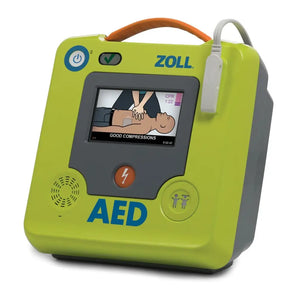
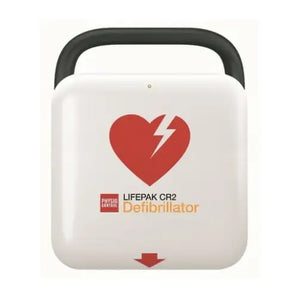
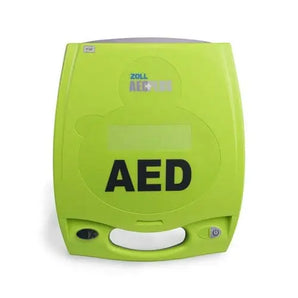
- Device selection based on your building's specific needs and budget
- Installation and registry integration with Ontario's provincial system
- Ongoing maintenance programs to ensure your AEDs are always ready
- Resident training sessions to build confidence and preparedness
-
Compliance consulting as Toronto moves toward potential AED mandates
The Time to Act Is Now
Toronto City Council is taking this issue seriously, and regulations may soon require what medical evidence has long recommended. Forward-thinking condo boards don't need to wait for mandates—they can take action now to protect their residents.
The floor you live on shouldn't determine your chance of surviving a cardiac arrest. With proper AED placement and accessibility, every Toronto resident deserves the same fighting chance at survival, regardless of whether they live on the 2nd floor or the 42nd.
Ready to make your Toronto condo safer? Contact AED.ca today for a free consultation on implementing a comprehensive AED program in your building. Because when seconds count, preparation matters.