What Is an AED and How Does It Work?
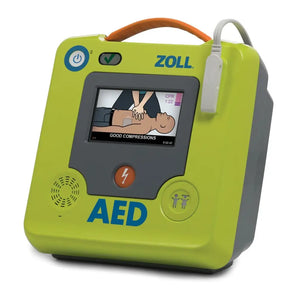
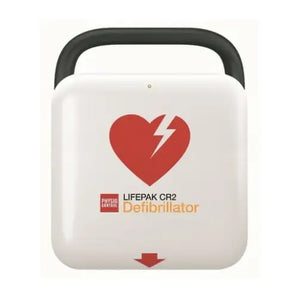
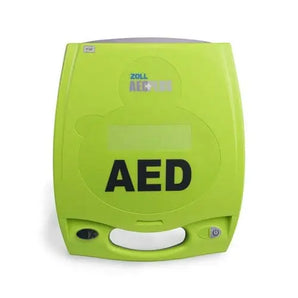
An AED (Automated External Defibrillator) is a portable medical device designed to help save a person experiencing sudden cardiac arrest.
An AED analyzes the heart’s rhythm and, if necessary, delivers an electrical shock to help restore a normal heartbeat.
Modern AEDs are designed to be simple and safe for public use, even for people without medical training.
At AED.ca, we help schools, businesses, churches, sports facilities, and organizations across Canada improve emergency preparedness through AED sales, inspections, maintenance, and compliance programs.
How Does an AED Work?
AEDs provide step-by-step voice instructions to guide rescuers during an emergency.
Basic AED operation includes:
1. Turn On the AED
Most AEDs activate by pressing the power button or opening the lid.
2. Apply the AED Pads
The rescuer places adhesive electrode pads onto the person’s bare chest exactly as shown on the pad diagrams.
3. Heart Rhythm Analysis
The AED Defib automatically analyzes the patient’s heart rhythm to determine whether a shock is needed.
The device will only advise a shock if the heart rhythm requires defibrillation.
4. Delivering the Shock
If a shock is required, the AED instructs rescuers to stand clear before the shock is delivered.
Modern AEDs are designed with built-in safety systems and cannot deliver unnecessary shocks.
Can Anyone Use an AED?
Yes.
Modern AEDs are specifically designed for public use and can be safely used by:
- teachers
- office staff
- coaches
- church volunteers
- bystanders
- workplace employees
- community members
Many AEDs include:
- voice prompts
- CPR coaching
- visual diagrams
- automatic rhythm analysis
- real-time CPR feedback
Even individuals without medical training can often successfully operate an AED during an emergency.
Should CPR Be Performed With an AED?
Yes.
CPR and AED use should be combined whenever possible.
Best practice during sudden cardiac arrest includes:
- Call 9-1-1 immediately
- Begin CPR
- Send someone to retrieve the nearest AED
- Follow the AED voice prompts
Rapid CPR and early defibrillation significantly improve survival chances.
Where Are AEDs Commonly Located?
AEDs are commonly installed in:
- schools
- churches
- offices
- gyms
- arenas
- airports
- shopping centres
- community centres
- medical clinics
- industrial workplaces
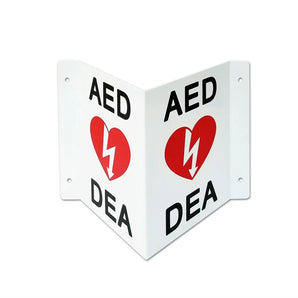
Many organizations are increasing AED availability to improve emergency preparedness and reduce response times during cardiac emergencies.
Is It Safe to Use an AED?
Yes.
AEDs are designed with multiple built-in safety protections.
The device:
- automatically analyzes the heart rhythm
- only recommends a shock when appropriate
- verbally instructs rescuers when to stand clear
- helps reduce the risk of user error
You cannot accidentally shock yourself simply by operating the AED (AED Canada) correctly and following the instructions.
How Often Should AEDs Be Inspected?
AEDs should be inspected regularly to ensure they remain rescue-ready.
Important maintenance items include:
- pad expiry dates
- battery status
- cabinet condition
- readiness indicators
- software updates
- compliance documentation
- AED inspections
- maintenance plans
- replacement pads and batteries
- compliance tracking
- digital AED reporting
- nationwide AED support across Canada
About AED.ca
AED.ca is a Canadian supplier of Automated External Defibrillators (AEDs), AED inspections, maintenance services, replacement parts, and compliance solutions.
AED.ca helps organizations across Canada keep their AEDs rescue-ready through proactive maintenance, inspection programs, and compliance management.
About Martin Andrews
Martin Andrews is the President of AED.ca and works with organizations across Canada to improve cardiac emergency preparedness through AED implementation, inspections, maintenance, and compliance solutions.