Why More Canadian Businesses, Schools & Condo Boards Are Installing AEDs
In 2026, installing an Automated External Defibrillator (AED) is no longer viewed as optional — it is becoming a standard safety expectation across Canada.
From condo buildings and offices to gyms and construction sites, organizations are recognizing that sudden cardiac arrest can happen anywhere — and survival depends on immediate CPR and access to an AED within minutes.
What Is Driving the Increase in AED Installations in 2026?
1️⃣ Increased Awareness of Sudden Cardiac Arrest in Canada
Sudden cardiac arrest (SCA) is one of the leading causes of death. It can happen to:
-
Employees
-
Residents
-
Customers
-
Students
-
Athletes
-
Visitors
When CPR is combined with early defibrillation using an AED, survival rates can double or triple.
This data is driving more organizations to ask:
“Are we prepared if cardiac arrest happens here?”
2️⃣ AEDs Are Becoming Standard Safety Equipment
Just like fire extinguishers and smoke alarms, AEDs are now viewed as essential emergency equipment.
In 2026, we are seeing AED installations expand into:
-
High-rise residential buildings
-
Commercial office towers
-
Manufacturing facilities
-
Construction sites
-
Fitness centres and gyms
-
Retail stores
-
Schools and daycare facilities
-
Community centres
-
Churches and places of worship
Many organizations are proactively implementing AED programs — even where not legally required.
3️⃣ Growing Discussions Around Mandatory AED Requirements
Several jurisdictions globally are exploring or implementing requirements for AEDs in:
-
Schools
-
Sports facilities
-
Government buildings
-
High-occupancy workplaces
-
Residential high-rises
In Canada, many property managers and employers are installing AEDs before legislation mandates it — demonstrating proactive duty of care and leadership.
Why Simply Installing an AED Is Not Enough
A true Public Access Defibrillation (PAD) Program includes:
✔ AED purchase from a reputable Canadian supplier
✔ Strategic placement planning
✔ CPR and AED training
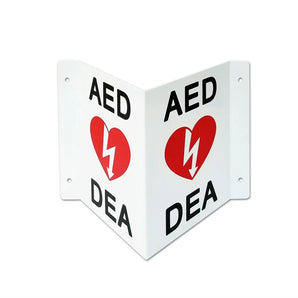
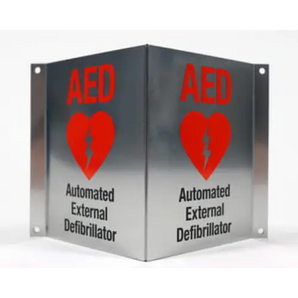
✔ Proper AED signage
✔ Registration (where applicable)
✔ Routine AED inspections
✔ Pad and battery replacement tracking
✔ Ongoing compliance documentation
In 2026, the trend is moving toward fully managed AED programs, not just product sales.
How Many AEDs Does Your Facility Actually Need?
One of the biggest trends we are seeing is organizations realizing that one AED may not provide adequate coverage.
Key planning considerations:
-
Can someone retrieve the AED and return within 3 minutes?
-
Does your building have multiple floors?
-
Are there remote areas, separate wings, or outdoor job sites?
-
Is your facility larger than 10,000–20,000 square feet?
The 3–5 minute window after cardiac arrest is critical. Strategic AED placement planning can significantly improve response times.
Why 2026 Is a Turning Point for AED Deployment
Three major factors are accelerating adoption:
✔ Better Technology
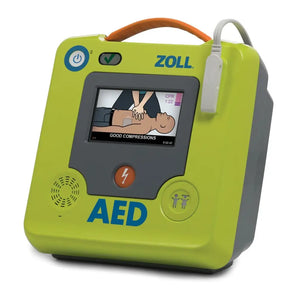
Modern AEDs provide real-time CPR feedback, are bilingual, WiFi-enabled, and easier to use than ever.
✔ Higher Public Expectation
Employees, tenants, and customers increasingly expect life-saving equipment onsite.
✔ Risk & Liability Awareness
AEDs demonstrate proactive safety leadership and strengthen emergency preparedness planning.
Organizations that act now position themselves as responsible and forward-thinking.
Frequently Asked Questions About AEDs in Canada
How much does an AED cost in Canada?
An AED typically ranges from $2,295–$2,500 depending on the model and features. Pads and batteries must be replaced periodically.
Is it mandatory to have an AED in Canada?
Requirements vary by province and industry. However, many organizations install AEDs voluntarily as part of their safety program.
How often do AED pads and batteries need replacement?
Pads usually expire every 2–5 years. Batteries vary by manufacturer and usage. Routine inspections are essential.
Where should an AED be placed in a building?
AEDs should be located in visible, high-traffic areas where retrieval and return time can be under 3 minutes.
Do we need training to use an AED?
AEDs are designed for public use and provide voice prompts. However, CPR and AED training is strongly recommended to improve outcomes and confidence.
Conclusion: The New Standard of Workplace & Public Safety
The global push for more AEDs in everyday places reflects a shift in how we define responsible facility management.
In 2026, organizations that implement AED programs are not reacting to trends — they are protecting lives.
When sudden cardiac arrest happens, seconds matter.
Having a properly installed and maintained AED onsite can make the difference between tragedy and survival.
About AED.ca
AED.ca is Canada’s trusted AED company, supplying:
-
Automated External Defibrillators (AEDs)
-
AED pads and batteries
-
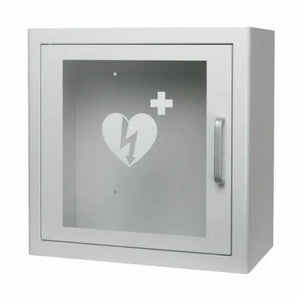
AED cabinets and signage
-
AED inspections and maintenance programs
-
AED replacement and upgrade programs
We do not push unnecessary products. We provide honest guidance, transparent pricing, and long-term support to ensure your organization is rescue-ready.
If you are reviewing your AED program or considering installing one, we are here to help.
AED.ca
Serving Businesses & Organizations Across Canada
Barrie, Ontario, Canada
🌐 https://www.aed.ca
📞 1-833-428-3233