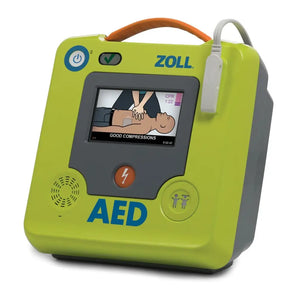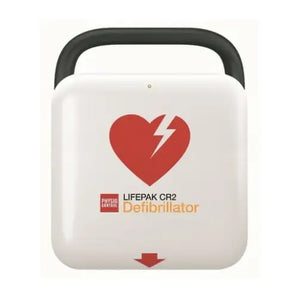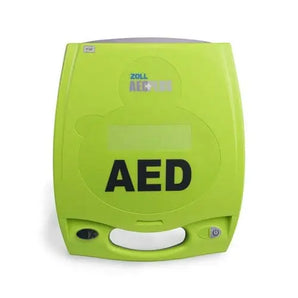
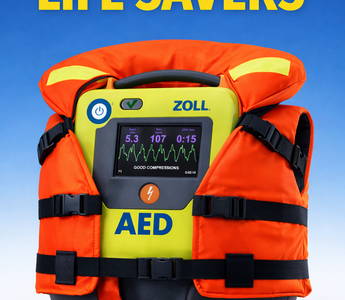
AEDs are Life Savers!
Sudden cardiac arrest can happen anywhere — workplaces, gyms, schools, arenas, homes, church's, hotels, airports, and public spaces. When it happens, every second matters. Immediate access to an Automated External Defibrillator (AED) can dramatically improve survival.
AEDs are designed to be used by everyday people. You do not need to be a medical professional to save a life. This guide explains how an AED works, why AEDs are so effective, and what Canadian organizations should know about AED readiness and maintenance.
How Does an AED Work?
An Automated External Defibrillator (AED) is a portable medical device that analyzes a person’s heart rhythm and determines whether an electric shock is needed to restore a normal heartbeat.
If a shock is required, the AED instructs the rescuer to deliver it safely. If a shock is not required, the AED guides CPR instead.
To see this process in action, watch this short explainer video:
▶ Watch: How an AED Works
https://youtu.be/tqYfHkci2_o
Modern AEDs provide clear audio and visual instructions, making them safe and effective for use by untrained bystanders.
What Is an AED?
An AED is used to treat sudden cardiac arrest, a condition where the heart suddenly stops pumping blood effectively.
AEDs:
-
Automatically analyze the heart rhythm
-
Decide if a shock is medically necessary
-
Deliver a shock only when appropriate
-
Guide CPR until emergency responders arrive
AEDs are approved for public access in Canada and are designed to prevent misuse.
Step-by-Step: How an AED Is Used
1. The AED Analyzes the Heart
Once the pads are placed on the chest, the AED automatically checks the heart rhythm.
2. The AED Determines if a Shock Is Needed
The device will clearly state whether a shock is advised or not. The rescuer does not make this decision.
3. The AED Delivers a Shock (If Advised)
If required, the AED delivers a controlled electrical shock to help restore a normal heart rhythm.
4. CPR Continues
After the shock, or if no shock is advised, the AED guides CPR until paramedics arrive.
An AED cannot shock someone by mistake. If a shock is not needed, the device will not allow it.
Why AEDs Save Lives
Survival rates from sudden cardiac arrest decrease rapidly with every minute without defibrillation. Early CPR combined with AED use can double or triple survival rates.
AEDs are especially important in:
-
Workplaces and offices
-
Fitness centres and gyms
-
Schools and childcare facilities
-
Arenas and recreation centres
-
Places of worship
-
Farms, industrial sites, and remote locations
- Multi Residential Buildings
Having an AED on-site allows lifesaving care to begin before emergency medical services arrive.
AED Laws and Requirements in Canada
AED laws vary by province and by facility type. While AEDs are not legally required in every setting, they are strongly recommended as a best practice for public and workplace safety.
In Canada, AED programs (AED Canada) should ensure:
-
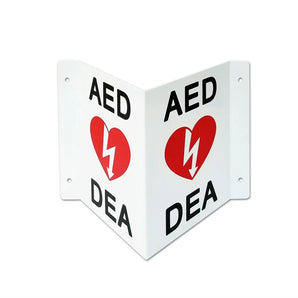
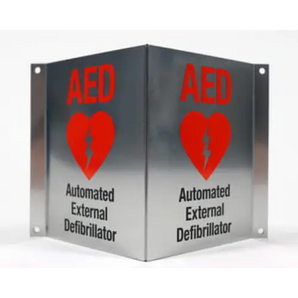
The AED is accessible and clearly marked
-
Pads and batteries are within expiry
-
The device shows a ready status indicator
-
Staff know the AED location
Proper AED maintenance helps ensure compliance and reduces risk.
Why AED Maintenance Is Critical
An AED Defib only saves a life if it works at the moment it is needed.
Proper AED maintenance includes:
-
Routine visual inspections
-
Monitoring pad and battery expiry dates
-
Confirming the AED shows a ready status
-
Replacing components after use or expiry
-
Documenting inspections
Many organizations choose a full-service AED maintenance plan to ensure their device is always rescue-ready.
How to Choose the Right AED in Canada
When selecting an AED, Canadian organizations should look for:
-
Health Canada approval
-
Adult and child rescue capability
-
Clear audio and visual prompts
-
CPR feedback technology
-
Long-life pads and batteries
-
Reliable Canadian service and support
Choosing the right AED and maintaining it properly improves confidence and emergency preparedness.
Key Takeaway
AEDs are one of the most effective lifesaving tools available. Understanding how an AED works and ensuring one is accessible and maintained can save lives.
Working with a knowledgeable Canadian AED provider helps ensure you are properly equipped — without pressure or unnecessary upselling.
Frequently Asked Questions About AEDs
How does an AED work?
An AED analyzes the heart’s rhythm through adhesive pads placed on the chest. If a shockable rhythm is detected, the device advises a shock and then guides CPR until emergency services arrive.
Can an AED shock someone by mistake?
No. AEDs are designed to deliver a shock only when a shockable rhythm is detected. If a shock is not required, the AED will not allow it.
Do you need training to use an AED?
No formal training is required. AEDs provide clear audio and visual instructions that guide a bystander through each step of the rescue.
How fast should an AED be used during cardiac arrest?
Immediately. Early defibrillation and CPR significantly improve survival outcomes.
What maintenance is required for AEDs in Canada?
Maintenance includes routine inspections, monitoring pad and battery expiry dates, confirming readiness indicators, and documenting inspections.
How often do AED pads and batteries need replacement?
Replacement timing depends on the AED model. Pads and batteries must always be replaced by their expiry date or after use.
Are AEDs legally required in Canada?
Requirements vary by province and facility type. Even where not required by law, AEDs are strongly recommended.
Where should an AED be located?
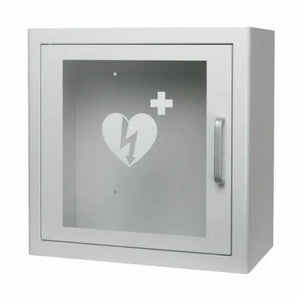
AEDs should be placed in visible, accessible locations such as entrances, reception areas, gyms, or other high-traffic areas. They should never be locked away.
About AED.ca
AED.ca is Canada’s trusted AED company, focused exclusively on automated external defibrillators, accessories, and full-service AED maintenance programs.
We are committed to honest guidance, Canadian compliance, and long-term support. Our goal is simple: help you be prepared to save a life.
https://aed.ca/pages/why-choose-aed-ca
AED.ca
Barrie, Ontario, Canada
Email: info@aed.ca
Website: https://aed.ca