
AEDs are Essential Safety Items
Walk into almost any workplace in Canada and you’ll find a fire extinguisher mounted on the wall. It’s required by code, inspected regularly, and rarely questioned. Yet sudden cardiac arrest is far more likely to occur in public places than a serious fire—and when it does, minutes matter. So why aren’t AEDs mandatory everywhere in the same way?
This question comes up often, especially from employers, property managers, and community leaders who are trying to do the right thing. The short answer isn’t that aed devices are unnecessary. It’s that public policy has lagged behind medical reality.
AEDs Save Lives—Every Single Day
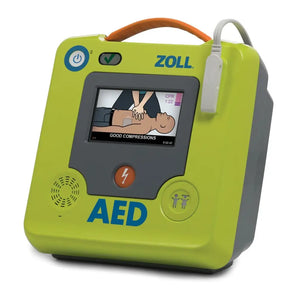
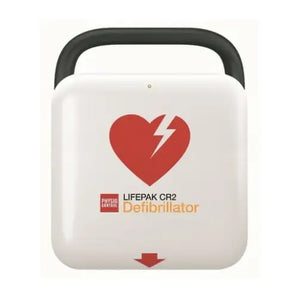
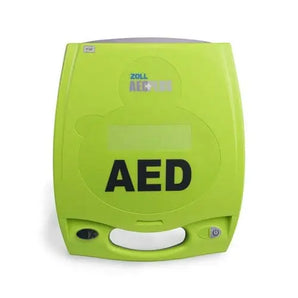
Sudden cardiac arrest is not a heart attack. It’s an electrical failure of the heart, and without immediate treatment it is almost always fatal. The most effective treatment is early defibrillation using an aed machine, combined with aed and cpr.
Fire extinguishers prevent property loss and, in rare cases, injury or death. AEDs, on the other hand, are designed for one purpose only: to restart a heart and save a life. When an automatic defibrillator is used within the first few minutes of collapse, survival rates increase dramatically.
In practical terms, AEDs are used far more often to preserve human life than fire extinguishers are. Cardiac arrest happens in offices, gyms, arenas, airports, homes, warehouses, places of worship, and schools—often with no warning and no prior medical history.
Yet despite this reality, AED deployment remains inconsistent across Canada.
The Real Reason AEDs Aren’t Mandatory
The absence of a nationwide AED mandate is often misunderstood. It is not a statement about effectiveness. It is largely the result of:
-
Fragmented jurisdiction between federal, provincial, and municipal governments
-
Slow legislative processes that trail behind medical evidence
-
Misconceptions about liability and training requirements
-
Outdated assumptions about aed cost and complexity
Ironically, many of the same arguments were once used against fire extinguishers—until regulations caught up.
Cost Is No Longer a Valid Barrier
One of the most persistent myths is that AEDs are prohibitively expensive. In reality, the cost of an aed has decreased significantly over the past decade.
When organizations compare:
-
aed price
-
aed defibrillator cost
-
automatic defibrillator cost
-
automatic external defibrillator cost
They often find that an AED costs no more than other required safety equipment—and far less than many discretionary workplace upgrades.
Even when factoring in replacement aed defibrillator pads, batteries, and maintenance, the long-term expense is modest. When viewed against the value of a single life saved, the return is immeasurable.
For those researching defib prices, it’s important to compare not just the sticker price, but reliability, warranty, and ongoing support.
Liability Concerns Are Largely Unfounded
Another common hesitation is fear of legal exposure. In Canada, the Canada Good Samaritan Law exists specifically to protect individuals who provide emergency assistance in good faith. This protection extends to the use of AEDs.
Modern devices are designed to be used by untrained bystanders. The automatic defibrillator price reflects not only the hardware, but also built-in safeguards that analyze heart rhythm and only deliver a shock when medically appropriate.
In other words, an AED will not allow a user to cause harm by mistake.
Availability Matters More Than Perfection
No one expects every person in a building to become a medical professional. What matters is that an automatic external defibrillator is close enough to be used within the first critical minutes.
That’s why more organizations are choosing to move ahead voluntarily—purchasing an aed for sale, arranging simple training, and ensuring pads and batteries are in date.
Whether you are evaluating:
-
aed purchase options
-
aed purchase Canada requirements
-
automated external defibrillator buy decisions
-
automated external defibrillator for sale listings
-
automated external defibrillator price comparisons
The key question is no longer “Do we need one?” but “Why wouldn’t we have one?”
Fire Extinguishers and AEDs Are Not Competitors
This isn’t an argument against fire extinguishers. It’s an argument for consistency in how we define essential safety equipment.
Fire extinguishers address low-probability, high-impact events. AEDs address higher-probability, immediate life-or-death emergencies.
Both belong in modern buildings.
Why Organizations Across Canada Choose AED.ca
For organizations ready to act rather than wait for legislation, AED.ca provides a trusted Canadian source for:
-
High-quality aed machines
-
Transparent automatic external defibrillator price options
-
Reliable replacement automated external defibrillator pads
-
Clear guidance on placement, maintenance, and compliance
If AEDs were not essential, the question of mandating them wouldn’t keep resurfacing. The reality is simpler: lives are being saved today by organizations that chose to act before being forced to.
AEDs don’t replace emergency services. They bridge the gap until help arrives.
And in a cardiac arrest, that gap is everything.
Learn more about AED options, pricing, and support in Canada at AED.ca.