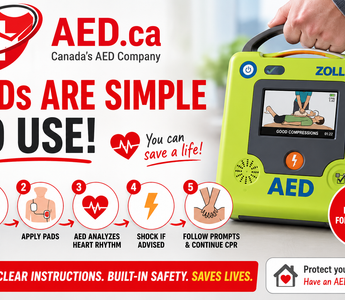
AEDs are Designed for Anyone to Use
At AED.ca, we're committed to making lifesaving knowledge accessible to every Canadian. That's why we've created a new How to Use an AED video that walks you through the simple steps of using an AED during a sudden cardiac arrest emergency.
🎥 Watch the video here:
https://youtu.be/u5gOYp-34eg?si=z80s_0yLIYYOLR2O
Whether you're responsible for workplace safety, manage a school, church, construction site, medical clinic, recreation facility, office, or simply want to be prepared, this short video will show you how modern AEDs make it possible for ordinary people to save lives.
Watch Our New "How to Use an AED" Video
Many people are surprised to learn that you do not need to be a healthcare professional to use an AED.
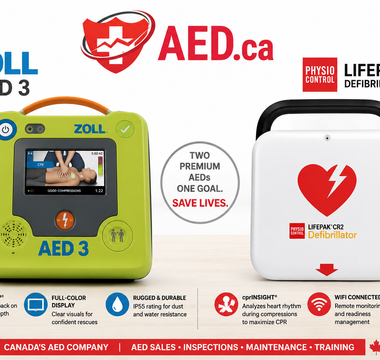
Today's Automated External Defibrillators are specifically designed for the general public. Every major AED sold by AED.ca—including the ZOLL AED 3, ZOLL AED Plus, and Stryker LIFEPAK CR2—provides clear voice instructions and guides the rescuer through every step.
Our new video demonstrates:
-
How to recognize sudden cardiac arrest
-
When to call 911
-
How to begin CPR
-
How to turn on an AED
-
Proper AED pad placement
-
How an AED analyzes the heart rhythm
-
What happens if a shock is advised
-
When to continue CPR
-
What to do until emergency responders arrive
If you've ever wondered how to use an AED, how an AED works, or whether anyone can use one, this video is an excellent place to start.
What Is an AED?
An Automated External Defibrillator (AED) is a portable medical device that can help treat someone experiencing sudden cardiac arrest.
An AED analyzes the person's heart rhythm and, if necessary, delivers a controlled electrical shock to restore a normal rhythm.
Modern AEDs are incredibly intelligent. They will only advise a shock when one is medically appropriate, making them safe for trained and untrained rescuers alike.
How Does an AED Work?
One of the most common questions we hear is:
"How does an AED know when to shock?"
The answer is simple.
After the pads are attached to the patient's chest, the AED automatically analyzes the heart rhythm. If it detects a shockable rhythm, it instructs the rescuer to stand clear and either delivers the shock automatically or prompts the rescuer to press the shock button, depending on the model.
If a shock is not required, the AED simply tells you to continue CPR.
This built-in intelligence is one of the reasons AEDs are so safe to use.
Can Anyone Use an AED?
Yes.
In Canada, anyone can use an AED during an emergency.
Although CPR and AED training are highly recommended, AEDs are specifically designed for people with little or no medical experience.
The device literally talks you through the rescue.
It tells you:
-
Where to place the pads
-
When not to touch the patient
-
Whether a shock is advised
-
When to begin CPR
-
When to stop CPR for another rhythm analysis
The AED becomes your coach throughout the rescue.
When Should You Use an AED?
Use an AED immediately if a person:
-
Collapses suddenly
-
Is unresponsive
-
Is not breathing normally or is only gasping
Call 911 immediately, begin CPR, and have someone retrieve the nearest AED.
Every minute without CPR and defibrillation significantly reduces the chance of survival, making rapid action critical.
Step-by-Step: How to Use an AED
While every manufacturer is slightly different, the process is remarkably similar.
1. Call 911
Always activate emergency medical services first.
2. Begin CPR
Provide high-quality chest compressions until the AED arrives.
3. Turn on the AED
Every AED immediately begins giving voice instructions.
4. Expose the Chest
Remove clothing as necessary so the pads can be applied directly to the skin.
5. Apply the AED Pads
Follow the diagrams printed directly on the electrode pads.
Correct AED pad placement is essential for proper heart rhythm analysis.
6. Allow the AED to Analyze
Do not touch the patient while the AED checks the heart rhythm.
7. Deliver the Shock (If Advised)
If instructed, make sure everyone is clear before pressing the shock button (or allow the AED to deliver the shock automatically if applicable).
8. Resume CPR
Immediately continue CPR after the shock—or if no shock is advised—following the AED's instructions until emergency responders arrive.
Our video demonstrates each of these steps in real time.
Why Every Workplace Should Have an AED
Sudden cardiac arrest doesn't just happen in hospitals.
It occurs every day in:
-
Offices
-
Warehouses
-
Manufacturing facilities
-
Construction sites
-
Schools
-
Churches
-
Community centres
-
Fitness centres
-
Arenas
-
Hotels
-
Retail stores
-
Medical clinics
-
Dental practices
-
Government buildings
Having a workplace AED can significantly improve the chances of survival before paramedics arrive.
Which AED Is Best?
AED.ca proudly supplies Canada's most trusted AED brands.
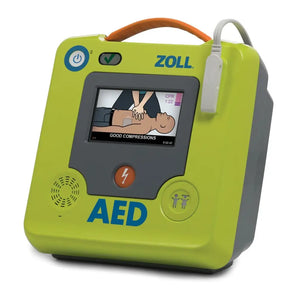
ZOLL AED 3
Ideal for organizations looking for advanced CPR feedback, a full-colour display, and real-time rescue guidance.
Learn more:
https://aed.ca/products/zoll-aed-3
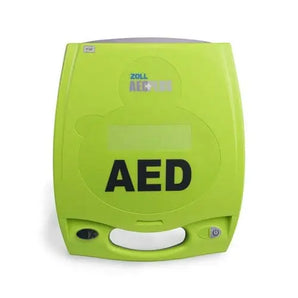
ZOLL AED Plus
Known for its industry-leading Real CPR Help® technology and exceptional durability, making it a popular choice for industrial and construction environments.
Learn more:
https://aed.ca/products/zoll-aed-plus
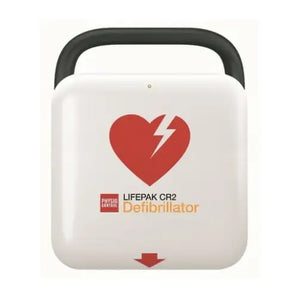
Stryker LIFEPAK CR2
One of Canada's most popular bilingual AEDs, featuring simple operation, pediatric capability, and optional Wi-Fi connectivity for program management.
Learn more:
https://aed.ca/products/lifepak-cr2
If you're unsure which AED is best for your organization, our specialists are happy to help.
Don't Forget AED Maintenance
Owning an AED is only the beginning.
Every AED requires ongoing inspections and maintenance to ensure it's rescue-ready.
This includes:
-
Checking battery expiry dates
-
Replacing expired AED pads
-
Performing regular inspections
-
Maintaining inspection records
-
Ensuring compliance with workplace policies
-
Verifying the AED remains operational
AED.ca's Full-Service AED Maintenance Plan helps organizations stay compliant while providing confidence that their AED will be ready when needed.
Learn more:
https://aed.ca/pages/aed-maintenance
Frequently Asked Questions
Do I need training to use an AED?
No. Training is recommended, but modern AEDs are designed so anyone can use them by following the voice prompts.
Can an AED shock someone by mistake?
No. AEDs analyze the heart rhythm and will only recommend a shock if it is medically appropriate.
What if the AED says "No Shock Advised"?
Continue CPR exactly as instructed by the AED until emergency responders arrive or the AED performs another rhythm analysis.
Can children use an AED?
Yes. Many AEDs, including the Stryker LIFEPAK CR2, include pediatric capability for younger patients. Follow the manufacturer's instructions for pediatric use.
Where should businesses install an AED?
AEDs should be installed in visible, accessible locations where they can be retrieved quickly. Common locations include reception areas, lunchrooms, gymnasiums, warehouses, construction trailers, and near high-traffic entrances.
Ready to Protect Your Workplace?
Whether you're purchasing your first AED, replacing an older model, or managing hundreds of AEDs across Canada, AED.ca is here to help.
We provide:
-
Expert product recommendations
-
Canada-wide shipping
-
Workplace AED programs
-
Professional inspections
-
AED maintenance plans
-
Replacement pads and batteries
-
Accessories and cabinets
-
Ongoing customer support
Order your AEDs today @ https://aed.ca/collections/bundles
Our mission is simple:
Help every Canadian workplace become better prepared for sudden cardiac arrest.
Watch our new How to Use an AED video today and share it with your staff, coworkers, friends, and family. The more people who understand how an AED works, the more lives we can help save together.
About the Author
Martin Andrews is the President of AED.ca, one of Canada's leading suppliers of Automated External Defibrillators (AEDs), AED accessories, inspections, and maintenance services. Martin has helped many organizations—including businesses, schools, churches, municipalities, healthcare providers, construction companies, and community organizations—build effective AED programs that improve emergency preparedness and workplace safety across Canada. Through educational resources, expert guidance, and industry-leading support, his mission is to help make lifesaving AEDs more accessible from coast to coast.