Step-by-Step Guide for Canada
Sudden cardiac arrest can happen anywhere — at work, in a gym, at a school, at home, or on a construction site. When it occurs, using an Automated External Defibrillator (AED) within the first few minutes can dramatically increase survival rates.
If your workplace has recently installed an AED or you are researching AED workplace requirements in Canada, it is critical that staff understand how to use the device.
Fortunately, AEDs are designed so anyone can use them, even without medical training.
This guide explains how to use an AED step-by-step, when to use it, and how workplaces in Canada and Ontario can ensure their AEDs are ready for emergencies.
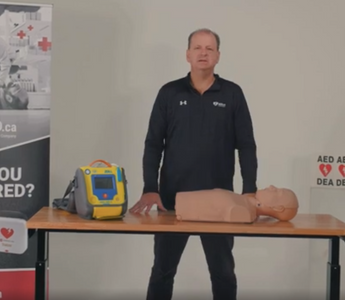
Watch: How to Use an AED
This short training video from AED.ca demonstrates how quickly an AED can be used during a cardiac emergency and how the device guides the rescuer through every step.
What Is an AED?
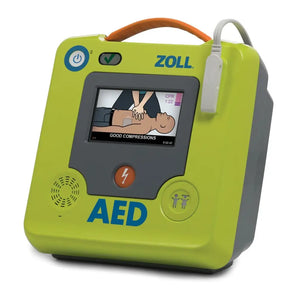
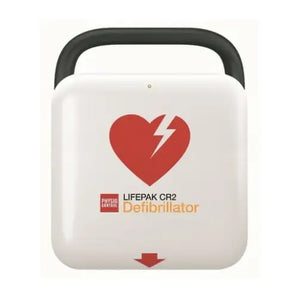
An Automated External Defibrillator (AED) is a portable medical device used to treat sudden cardiac arrest (SCA).
The device analyzes the heart rhythm and delivers an electrical shock if necessary to restore a normal heartbeat.
AEDs are designed for public access use, meaning they can be safely used by employees, bystanders, or trained first aid responders.
Across Canada, AEDs are commonly installed in:
-
workplaces
-
offices
-
construction sites
-
schools
-
fitness centers
-
community centers
-
retail stores
-
public buildings
Many organizations searching “buy AED Canada” are doing so to improve emergency preparedness and meet AED workplace requirements in Canada.
When Should You Use an AED?
You should use an AED when a person:
-
suddenly collapses
-
is not breathing normally
-
is unresponsive
These are common signs of sudden cardiac arrest.
In these situations, immediate CPR and AED use can save a life.
Step-by-Step: How to Use an AED
AEDs are designed to guide rescuers using voice prompts and visual instructions.
Follow these steps:
Step 1 – Call 911 Immediately
If someone collapses and appears to be in cardiac arrest:
-
Call 911 immediately
-
Ask someone nearby to bring the AED
Emergency medical services must be on the way while the AED is being used.
Step 2 – Turn On the AED
Open the AED case and turn on the device.
Most AEDs automatically activate when the lid is opened.
The device will begin giving clear voice instructions.
Step 3 – Expose the Chest and Attach AED Pads
Remove clothing from the person’s chest.
Attach the AED pads exactly as shown on the pad diagrams.
Typical pad placement:
-
one pad on the upper right chest
-
one pad on the lower left side of the chest
The AED will automatically begin analyzing the heart rhythm.
Step 4 – Stand Clear While the AED Analyzes
The AED will say something like:
“Analyzing heart rhythm. Do not touch the patient.”
Ensure no one is touching the person during this step.
Step 5 – Deliver the Shock if Advised
If the AED determines a shock is needed, it will instruct you to deliver it.
-
Make sure everyone is clear
-
Press the shock button if instructed (fully automatic AEDs do this on their own)
The shock is delivered in a fraction of a second.
Step 6 – Begin CPR Immediately
After the shock (or if no shock is advised):
Begin CPR.
Perform:
-
30 chest compressions
-
2 rescue breaths (if trained)
Many modern AEDs provide CPR feedback and coaching.
Continue CPR until:
-
emergency services arrive
-
the person begins breathing
-
the AED instructs you to stop
Why Workplaces in Canada Should Have AEDs
Sudden cardiac arrest can occur anywhere, including workplaces and job sites.
Organizations across the country are installing AEDs to improve safety and reduce liability.
Businesses commonly research:
-
AED Canada regulations
-
buy AED Canada
-
AED workplace requirements Canada
-
AED Ontario law
-
construction site AED law Ontario
Workplaces that already train employees in first aid and CPR should strongly consider installing AEDs so staff can use the skills they are trained for.
AED Inspections and Maintenance in Canada
Owning an AED is only the first step. To ensure the device works during an emergency, organizations should implement an AED maintenance program.
A proper AED maintenance Canada program should include:
-
checking battery status
-
confirming pads are not expired
-
verifying readiness indicators
-
documenting inspection logs
-
replacing expired components
Many organizations choose an AED maintenance Canada plan to ensure compliance and reliability.
Choosing the Right AED for Your Workplace
When organizations search for ZOLL AED Canada or buy AED Canada, they are often looking for devices that are:
-
simple to operate
-
reliable in workplace environments
-
easy to maintain
-
supported by training resources
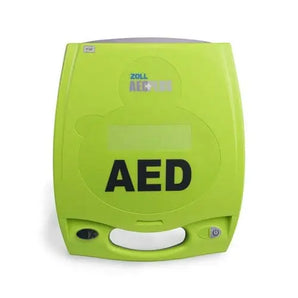
Devices like the ZOLL AED Plus are widely used because they provide real-time CPR feedback and clear voice guidance.
Understanding AED Laws in Ontario and Canada
While AED laws vary across Canada, many organizations are implementing AED programs due to evolving safety standards.
For example, construction site AED law in Ontario now requires many large job sites to have AEDs available.
Organizations should also review AED Ontario law updates and workplace safety guidance to ensure they meet current expectations.
How AED.ca Helps Canadian Organizations Stay Prepared
AED.ca helps organizations across Canada implement effective AED programs.
Our services include:
-
AED sales in Canada
-
guidance on AED workplace requirements Canada
-
support for construction site AED law Ontario
-
AED inspections and maintenance programs
-
training resources and compliance support
Our Full Service AED Maintenance Program helps ensure your AED is always ready for use and properly maintained.
About AED.ca
AED.ca is a trusted Canadian provider of Automated External Defibrillators and AED program support. We help workplaces, schools, and organizations across Canada improve cardiac emergency preparedness through equipment supply, inspections, and maintenance programs.
If your organization is researching buy AED Canada, AED inspection Canada, or AED maintenance Canada, our team can help you implement a complete AED program.
Learn more at: