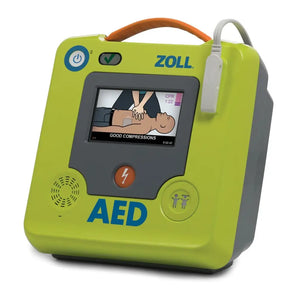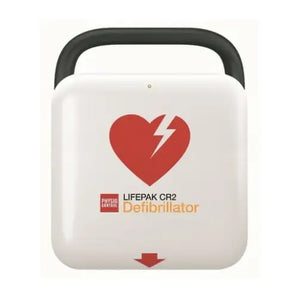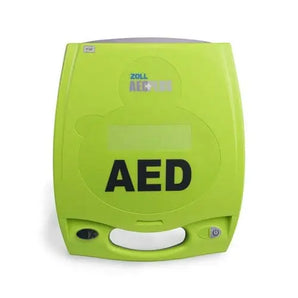
AEDs Do Need to be Maintained
Automated External Defibrillators (AEDs) save lives—but only if they are properly maintained and ready to use. Across Canada, more businesses, schools, and public facilities are installing AEDs, yet many don’t realize that ongoing AED maintenance is just as important as the initial purchase.
If you’re responsible for an AED in the workplace, school, or public access setting, this guide explains exactly what proper AED maintenance involves—and how AED.ca can take care of everything for you.

Why AED Maintenance Matters
Searches like “AED Canada,” “Defibrillator Canada,” and “Workplace AED requirements” are trending for a reason. Organizations want to do the right thing—but an AED with expired pads or a dead battery may not function when it’s needed most.
Proper maintenance ensures:
-
Your AED is rescue-ready at all times
-
Pads and batteries are within expiry
-
You remain compliant with best practices
-
Your organization is protected from unnecessary risk and liability
Routine AED Inspections: What Should Be Checked?
Regular inspections are the foundation of AED maintenance. At a minimum, AEDs should be visually checked monthly and after any use.
Key Inspection Items:
-
Status indicator light (should show “OK” or green)
-
AED pads present, sealed, and not expired
-
AED battery installed and within expiry
-
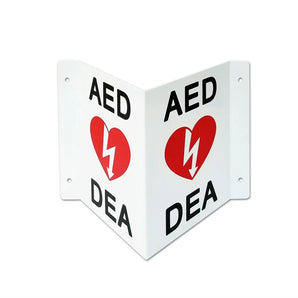
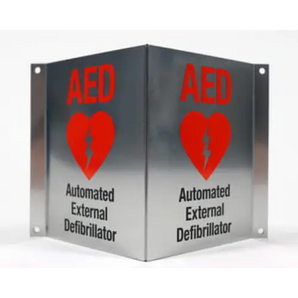
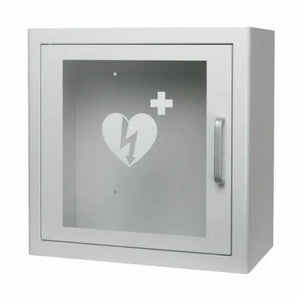
Cabinet and signage intact and accessible
-
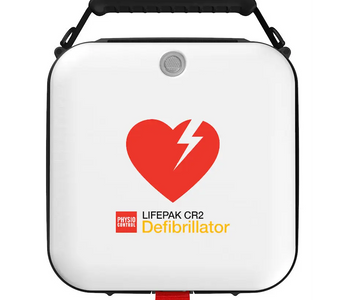
No damage to the unit or accessories
Many organizations struggle to keep inspection logs up to date—especially across multiple locations.
Tracking AED Pads and Battery Expiry Dates
One of the most common failures we see across Canada is expired AED pads or batteries.
Why This Is Critical:
-
AED pads typically expire every 2–5 years
-
AED batteries expire every 4–7 years
-
An AED may fail self-tests or not deliver a shock if components are expired
Searches for “AED pads Canada” and “AED battery Canada” continue to grow because organizations realize too late that replacements were missed.
Without a tracking system, it’s easy for expiry dates to slip through the cracks.
Change Pads and Batteries Before They Expire
Best practice is to replace pads and batteries before their expiry date—not after.
Why?
-
Expired components may not perform properly
-
Replacement delays can leave your AED out of service
-
Some AEDs will disable shock delivery when parts expire
Proactive replacement keeps your AED ready, compliant, and reliable.
Full AED Maintenance Plans from AED.ca
To help Canadian organizations eliminate guesswork and risk, AED.ca now offers full AED maintenance plans.
What Our Maintenance Plans Include:
-
Automated tracking of AED pads and battery expiry dates
-
Advance reminders or automatic replacement before components expire
-
Inspection support and documentation
-
Expert oversight from Canada’s AED specialists
-
Peace of mind knowing your AED is always ready
Whether you manage one AED or hundreds across multiple locations, we handle everything—so you don’t have to.
Trust Your AEDs to Canada’s AED Experts
AEDs are emergency medical devices. They deserve expert care.
Thousands of organizations across Canada trust AED.ca for:
-
AED sales
-
AED accessories
-
AED training guidance
-
Complete AED maintenance and compliance support
When lives are on the line, don’t leave AED readiness to chance.
Trust Your AEDs to the Experts
Trust your AEDs to Canada’s AED Company — AED.ca
If you’d like help setting up an AED maintenance plan or reviewing your current AED readiness contact AED.ca today.