
AEDs Exposed to Cold Temperatures May Not Work!
When cardiac emergencies strike, every second counts. Automated External Defibrillators (AEDs) are life-saving devices that can mean the difference between life and death during sudden cardiac arrest. But what happens when the temperature drops? Can your AED machine withstand Canadian winters if left in a vehicle or outdoor cabinet? Understanding how cold weather affects these critical devices is essential for anyone responsible for AED maintenance and deployment.
Understanding the Risks of Cold Storage
Most AED manufacturers specify an operating temperature range between 0°C and 50°C (32°F to 122°F), with storage temperatures typically ranging from -10°C to 50°C (14°F to 122°F). Canadian winters frequently push well beyond these limits, creating several potential problems for AEDs left in cold environments.
Battery Performance Degradation
The lithium batteries that power AED devices are particularly vulnerable to extreme cold. When temperatures drop below freezing, battery chemistry slows down significantly, reducing the available power output. An AED that appears fully charged in mild conditions may fail to deliver the necessary energy for defibrillation when exposed to prolonged cold. This degradation can occur gradually without triggering the device's self-check alarms, leaving you with a seemingly functional AED that may fail during a critical emergency.
AED Defibrillator Pads Issues
AED defibrillator pads contain conductive gel that must maintain proper consistency to ensure effective electrical contact with a patient's skin. Extreme cold can cause this gel to thicken, crack, or separate, compromising the pad's ability to conduct the electrical shock properly. Some gel formulations may even freeze solid in severe cold, rendering the pads completely unusable. Since electrode pads are typically sealed in airtight packages, you won't know there's a problem until you open them during an emergency.
Electronic Component Failure
Modern AEDs contain sophisticated electronic circuits, LCD displays, and voice prompt systems. Cold temperatures can cause LCD screens to become sluggish or unreadable, solder joints to crack from thermal stress, and capacitors to fail. While many of these components are designed with some temperature tolerance, prolonged exposure to extreme cold increases the risk of malfunction when the device is needed most.
Condensation Damage
Perhaps one of the most insidious problems occurs when an AED is repeatedly moved between cold and warm environments. Temperature fluctuations cause condensation to form inside the device, potentially corroding electronic components, shorting circuits, and damaging the internal mechanisms. This is particularly problematic for AEDs stored in vehicles that experience dramatic temperature swings throughout the day.
The Reality of Vehicle Storage in Canadian Winter
Many organizations store AEDs in vehicles to ensure they're available at remote work sites, sports fields, or community events. While this provides accessibility, it creates significant challenges during winter months. Vehicle interiors can easily reach -20°C to -30°C or colder overnight in many Canadian regions. Even if the vehicle is started periodically, the AED spends most of its time in conditions well outside its designed operating range.
Consider a typical scenario: a vehicle-mounted AED sits unused through several cold winter nights. When an emergency occurs, responders retrieve the device, but the battery has insufficient charge to power the unit, or the pads fail to adhere properly due to gel degradation. In that critical moment, the AED purchase you made to protect lives becomes ineffective.
Solutions for Cold Weather AED Storage
While the risks are real, there are practical measures you can take to ensure your AED remains functional throughout winter.
Heated Outdoor Cabinets
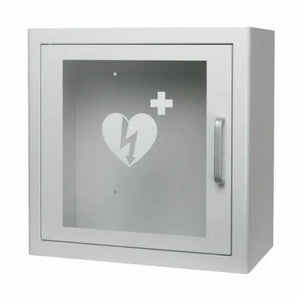
The most reliable solution for outdoor AED storage is a climate-controlled cabinet specifically designed for harsh weather conditions. These cabinets feature built-in heating elements, insulation, and often battery backup systems to maintain a stable internal temperature regardless of external conditions. While they represent a higher AED cost upfront, heated cabinets provide peace of mind that your device will function when needed.
Most heated cabinets maintain an internal temperature between 15°C and 25°C, well within the optimal operating range for any AED for sale today. They also typically include alarm systems that alert you to power failures or temperature excursions, ensuring you're aware of any potential issues before an emergency occurs.
Insulated Storage Solutions
For vehicle storage or less extreme climates, insulated carrying cases or storage containers can provide significant protection. These cases won't actively warm the AED but will slow heat loss and help buffer against temperature fluctuations. Some cases include chemical heat packs or battery-powered warming elements that can extend protection during particularly cold periods.
When using insulated storage, place the AED in the warmest part of the vehicle (typically behind the driver's seat or in a covered area away from exterior walls) and consider bringing the device indoors overnight when temperatures are forecast to drop significantly.
Regular Rotation and Monitoring
If you must store an AED in cold conditions, establish a rotation schedule. Bring the device into a warm environment regularly (at least weekly during extreme cold), allow it to warm gradually to room temperature, and check its status indicators. This practice helps prevent long-term cold exposure damage and allows you to verify that the unit is functioning properly.
Never attempt to warm a cold AED quickly using heaters, hair dryers, or other direct heat sources, as rapid temperature changes can cause more damage than the cold itself. Allow the device to warm naturally over several hours.
Enhanced Maintenance Protocols
Cold weather demands more frequent maintenance checks. Increase your inspection frequency from the standard monthly check to weekly or bi-weekly during winter months. Verify that status indicators show the device is ready, check battery expiration dates, and inspect electrode pad packages for any signs of damage or swelling that might indicate freeze damage.
Keep detailed logs of temperature conditions and AED status checks. This documentation helps you identify patterns and potential problems before they result in device failure during an emergency.
Battery Management Strategies
Consider keeping spare batteries on hand during winter months, stored in a climate-controlled environment. If your AED shows signs of reduced battery performance, having a warm, fully-charged replacement battery can restore functionality quickly. Remember that battery life is typically measured from the manufacturing date, not installation date, so rotate your spare batteries according to the manufacturer's recommendations.
Some organizations with vehicle-mounted AEDs invest in additional units, rotating them weekly between cold storage and climate-controlled environments. While this increases your initial AED purchase Canada investment, it ensures you always have a fully functional device available.
Special Considerations for Different AED Models
Not all AEDs are created equal when it comes to cold tolerance. When making an AED purchase, consider the specific climate challenges you'll face:
Commercial-Grade vs. Consumer Models: Professional-grade units often feature enhanced environmental protection, though they come at a higher AED price point. For organizations in harsh climates, this additional investment may be justified.
Battery Technology: Some newer AED models use lithium manganese dioxide batteries that perform better in cold temperatures than older lithium ion designs. When evaluating AED cost, consider the total cost of ownership, including more frequent battery replacements in cold climates.
Pad Technology: Ask about the gel formulation in electrode pads. Some manufacturers offer cold-weather pads specifically designed for harsh environments, though these typically aren't standard and must be specified during your AED purchase.
Creating a Winter-Ready Emergency Response Plan
Having a functional AED is only part of effective emergency response. Your plan should account for cold weather challenges:
Train responders to recognize potential cold-weather AED issues and have backup plans in place. If your primary AED may be compromised by cold, ensure someone knows the location of the nearest indoor unit that could serve as backup.
During winter months, consider temporarily relocating AEDs from vehicles or outdoor storage to indoor locations when possible, especially overnight. While this may reduce immediate accessibility at some locations, a functional indoor AED is better than a cold-compromised outdoor one.
Update your emergency protocols to include cold weather considerations. Responders should be trained to feel for battery warmth, check for condensation, and have procedures for quickly warming a cold device if necessary (though this should always be a last resort).
The Cost of Inadequate Cold Weather Protection
While heated cabinets, additional units, and enhanced maintenance protocols increase your overall AED cost, consider the alternative. An AED that fails during an emergency represents not just a financial loss but potentially a preventable death. The liability implications of providing an AED that doesn't function when needed could far exceed the cost of proper cold weather protection.
When evaluating AED price options and making an AED purchase, factor in your climate conditions and storage requirements. A slightly more expensive solution that ensures reliability is always preferable to a budget option that may fail when needed most.
Recommendations for Canadian Organizations
For organizations operating in Canadian climates, here are evidence-based recommendations:
Outdoor Permanent Installations: Always use heated, insulated cabinets rated for your local climate extremes. These should be wired to building power with battery backup and include temperature monitoring systems.
Vehicle Storage: Avoid leaving AEDs in vehicles overnight during winter months when possible. If necessary, use insulated cases and implement weekly rotation to warm environments. Consider this a temporary solution rather than a permanent storage strategy.
Sports Fields and Remote Locations: Install heated outdoor cabinets at permanent facilities. For temporary or seasonal locations, store AEDs indoors between uses and transport them in insulated cases only when needed.
Regular Replacement: Accept that electrode pads and batteries may need more frequent replacement in harsh climates. Budget for this ongoing cost when planning your AED program.
Conclusion
The answer to whether AEDs can be left outside or in vehicles during Canadian winters is nuanced. While technically possible with proper precautions, doing so increases the risk of device failure during critical moments. The stakes are simply too high to take chances with cold weather AED storage.
For organizations serious about emergency preparedness, investing in proper climate-controlled storage, enhanced maintenance protocols, and cold-weather-specific equipment is essential. When evaluating AED defibrillator cost options, prioritize solutions that ensure year-round reliability over initial purchase price savings.
Remember, an AED machine is an investment in safety that only pays dividends when it works flawlessly during an emergency. Don't let preventable cold weather damage compromise this critical life-saving equipment.
About the Author

Martin Andrews, Owner, AED.ca
linkedin.com/in/martin-andrews-27aa6116b
Martin Andrews is the owner of AED.ca, Canada's trusted source for automated external defibrillators and emergency response equipment. With years of experience helping organizations across Canada implement effective AED programs, Martin understands the unique challenges of maintaining life-saving equipment in harsh climates. AED.ca specializes in providing comprehensive AED solutions, from initial device selection and purchase through ongoing training and maintenance support. Whether you're looking for your first AED for sale or expanding an existing emergency response program, Martin and the team at AED.ca are committed to ensuring Canadians have access to reliable, properly maintained defibrillators when seconds count. Contact AED.ca today to discuss your organization's AED needs and discover how proper equipment selection and maintenance can save lives.