The Truth About Automated External Defibrillators
Many people hesitate to purchase an Automated External Defibrillator (AED) because they worry they won't know how to use it during an emergency.
The good news is that AEDs are specifically designed to be used by ordinary people with little or no medical training. In fact, modern AEDs are so simple that they guide users through every step of a rescue with clear voice prompts and visual instructions.
If you've ever wondered, "What if I do something wrong?" or "Do I need special training to use an AED?" this article is for you.
What Is an AED?
An Automated External Defibrillator (AED) is a portable life-saving device used to help someone experiencing sudden cardiac arrest.
During sudden cardiac arrest, the heart stops beating effectively, preventing blood from reaching the brain and other vital organs. Without immediate treatment, survival decreases by approximately 10% for every minute that passes.
AEDs are designed to analyze the heart's rhythm and, if necessary, deliver a shock to help restore a normal heartbeat.
Learn more about choosing the right AED here:
//aed.ca/blogs/news/how-to-choose-the-right-aed-for-your-workplace-or-public-space
AEDs Tell You Exactly What To Do
One of the biggest misconceptions about AEDs is that they are complicated.
Modern AEDs provide:
-
Step-by-step voice instructions
-
Visual rescue prompts
-
CPR coaching
-
Automatic heart rhythm analysis
-
Automatic shock preparation
When an AED is turned on, it immediately begins guiding the rescuer through the process.
Typical instructions include:
-
"Call 911."
-
"Remove clothing from the patient's chest."
-
"Apply pads to the patient's bare chest."
-
"Do not touch the patient."
-
"Shock advised. Stand clear."
The AED does the thinking so you can focus on helping the victim.
Can You Hurt Someone With an AED?
This is one of the most common concerns people have.
The answer is no.
AEDs are designed with built-in safety features that prevent them from delivering a shock unless it is medically necessary.
The device analyzes the person's heart rhythm and will only advise a shock if a shockable rhythm is detected.
If a shock is not needed, the AED simply instructs the rescuer to continue CPR.
This means you cannot accidentally shock someone who does not need it.
Do You Need Training To Use an AED?
While CPR and AED training is always helpful, AEDs are designed for anyone to use.
AEDs are intentionally designed for:
-
Employees
-
Teachers
-
Coaches
-
Church volunteers
-
Parents
-
Community members
-
Security personnel
Many lives have been saved by individuals who had never used an AED before.
How Long Does It Take To Use an AED?
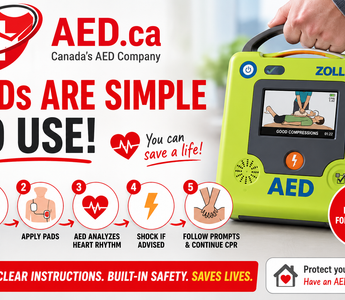
Most people can have an AED attached and analyzing the patient within just a few minutes.
The basic process is:
-
Turn on the AED.
-
Follow the voice prompts.
-
Apply the pads.
-
Allow the AED to analyze.
-
Deliver a shock if advised.
-
Continue CPR as instructed.
That's it.
The AED guides the rescuer through the entire process.
Why Businesses Are Installing AEDs
Sudden cardiac arrest can happen anywhere:
-
Offices
-
Construction sites
-
Schools
-
Churches
-
Manufacturing facilities
-
Warehouses
-
Community centres
-
Sports facilities
Many organizations are now recognizing that AEDs are just as important as fire extinguishers and first aid kits.
Learn more:
//aed.ca/blogs/news/why-every-canadian-workplace-needs-an-aed
Today's AEDs Are Smarter Than Ever
Modern AEDs offer features such as:
-
Real-time CPR feedback
-
Child rescue capability
-
Bilingual operation
-
Self-testing technology
-
Long-life batteries
-
Wi-Fi connectivity
-
Automatic readiness monitoring
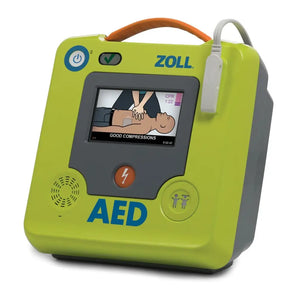
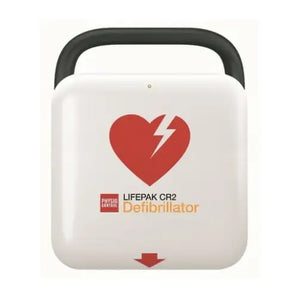
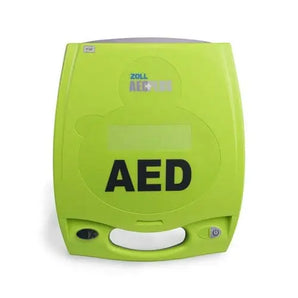
Popular models such as the ZOLL AED 3, ZOLL AED Plus, and Stryker LIFEPAK CR2 are designed to make rescues as simple as possible.
For more information go to: //aed.ca/collections/aeds
Keeping an AED Rescue-Ready Is Easy
Another common concern is maintenance.
Modern AEDs perform automatic self-tests and alert owners if attention is required.
AED.ca also offers a comprehensive maintenance program that includes:
-
Annual inspections
-
Battery replacement
-
Pad replacement
-
Compliance tracking
-
Digital maintenance records
-
Loaner AEDs during covered repairs
Learn more: //aed.ca/pages/aed-maintenance-plans
The Most Important Thing To Remember
You do not need to be a medical professional to save a life.
AEDs are specifically designed for everyday people.
The device talks you through the rescue, analyzes the heart rhythm, and only delivers a shock when necessary.
The hardest part is simply deciding to take action.
When sudden cardiac arrest occurs, having an AED available can mean the difference between life and death.
Buy an AED From Canada's Trusted AED Specialists
AED.ca helps organizations across Canada implement reliable AED programs with industry-leading devices, inspections, compliance support, and maintenance services.
Whether you need an AED for a workplace, school, church, sports facility, or community organization, our team can help you choose the right solution.
About the Author
Martin Andrews is President of AED.ca, Canada's AED Company. He works with businesses, schools, churches, construction companies, and community organizations across Canada to help improve cardiac emergency preparedness through AED sales, inspections, maintenance programs, and compliance support. Martin is passionate about making life-saving AED technology accessible, affordable, and easy to use for every Canadian organization. Contact Martin @ martin@aed.ca