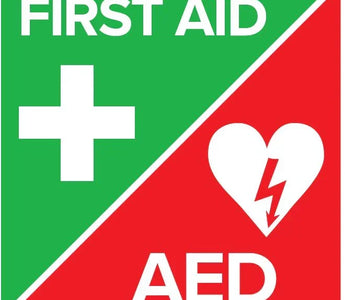
Why Every First Aid Kit Should Have an AED Nearby
When most Canadian workplaces, schools, churches, sports facilities and public buildings think about emergency preparedness, a first aid kit is one of the first things they provide. That makes sense: a properly stocked first aid kit can help trained responders manage cuts, burns, bleeding and many other injuries.
But what happens when the emergency is sudden cardiac arrest?
A first aid kit cannot analyze a heart rhythm or deliver a potentially lifesaving shock. For that, rescuers need an Automated External Defibrillator (AED).
That is why AED.ca believes an AED should be considered wherever a first aid kit is located. First aid supplies and AEDs serve different purposes, but together they create a more complete emergency response system.
Quick answer: How do first aid and AEDs work together?
First aid training prepares people to recognize emergencies, call 911, perform CPR and use an AED. A first aid kit provides supplies for many injuries, while an AED provides the technology needed to help a person experiencing sudden cardiac arrest. Having trained people without an accessible AED leaves them without an essential tool their training prepared them to use.
What is an AED, and why is it part of first aid?
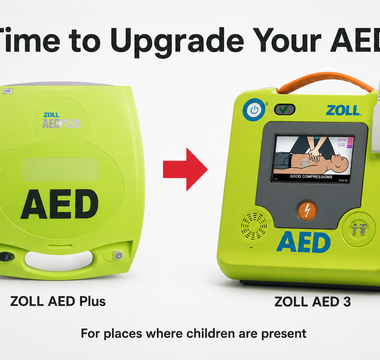
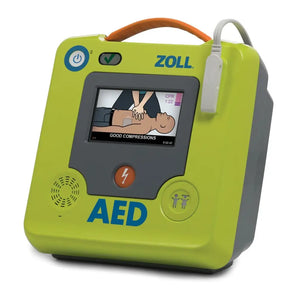
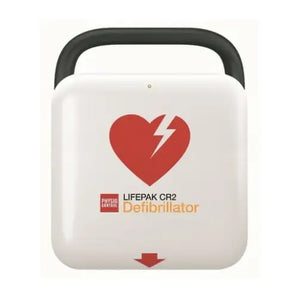
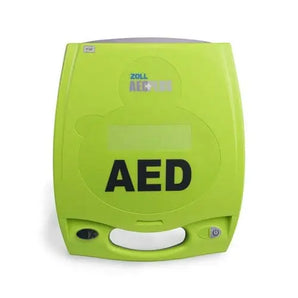
An AED, or Automated External Defibrillator, is a portable medical device used when someone is experiencing sudden cardiac arrest. The AED analyzes the person’s heart rhythm and, if appropriate, delivers an electrical shock to help restore an effective rhythm.
Modern AEDs provide clear voice and visual prompts that guide the responder through the rescue. The device determines whether a shock is advised; it will not deliver a shock simply because the pads have been attached.
CPR and AED use are closely connected. CPR helps circulate blood and oxygen to the brain and other vital organs, while an AED can deliver a shock when the heart is in a shockable rhythm. Heart & Stroke advises responders to call 911, begin CPR immediately and use an AED as soon as one is available. It reports that performing CPR and using an AED can double a person’s chance of survival.
This is why CPR and AED instruction is commonly included in Canadian first aid training. People learn what to do—but their ability to act also depends on whether the right equipment is available.
A first aid kit alone is not enough for every emergency
A first aid kit is designed to help manage injuries and some medical emergencies. Depending on the kit, it may contain items such as:
-
Bandages and sterile dressings
-
Gauze and adhesive tape
-
Gloves and personal protective equipment
-
Antiseptic supplies
-
A CPR barrier device
-
Scissors, tweezers and other basic first aid supplies
These items are important, but none can correct a shockable heart rhythm. During sudden cardiac arrest, the person is unresponsive and not breathing normally—or may only be gasping. The priorities are to call 911, begin CPR, send someone for an AED and use the AED as soon as it arrives.
A first aid kit helps responders treat many emergencies. An AED equips them to respond to one of the most time-critical medical emergencies of all.
First aid training creates capable responders—but equipment makes action possible
Organizations invest in workplace first aid training because they want people on site who can respond confidently in an emergency. Many certified first aid and CPR courses teach participants how to recognize cardiac arrest, perform CPR and operate an AED.
But there is a practical gap when employees have received CPR and AED training and no defibrillator is available.
They may know exactly what to do. They may be ready and willing to help. Yet without an AED nearby, they cannot apply the AED portion of their training while waiting for emergency medical services.
Training and equipment should therefore be planned together:
-
First aid training develops knowledge, judgement and confidence.
-
A first aid kit supplies materials for common injuries and emergencies.
-
CPR helps maintain blood flow during cardiac arrest.
-
An AED analyzes the heart rhythm and can deliver a shock when needed.
-
An emergency response plan helps everyone locate the equipment and act quickly.
Each component matters. Together, they give responders a better opportunity to provide meaningful help before paramedics arrive.
Should an AED be placed beside every first aid kit?
As a practical safety principle, organizations should evaluate placing an AED at or near each primary first aid station. The best placement depends on the building’s size, layout, operating hours, number of floors and how quickly a responder can retrieve the device.
In a small office, one centrally located AED beside the main first aid kit may provide suitable coverage. A large warehouse, multi-storey building, school campus or industrial property may require several AEDs because a single device cannot be reached quickly from every area.
The goal is not simply to own an AED. The goal is to make sure it is:
-
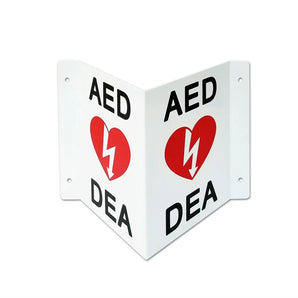
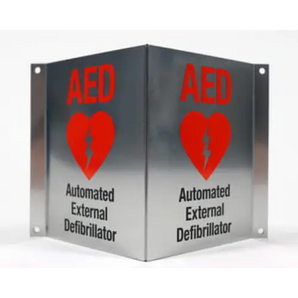
Easy to see and clearly identified with proper AED signage
-
Accessible during all occupied hours
-
Positioned where staff and visitors expect emergency equipment to be
-
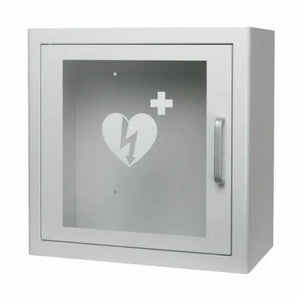
Stored in an appropriate AED cabinet or wall mount bracket
-
Known to employees, first aid attendants and emergency response team members
-
Included in drills, orientations and emergency procedures
-
Inspected and maintained so it remains rescue-ready
Placing the AED near a first aid kit can make it easier to remember, locate, inspect and include in workplace safety procedures. However, accessibility and retrieval time should always guide the final placement decision.
Where should first aid kits and AEDs be available?
Any location that prepares for injuries should also assess its readiness for sudden cardiac arrest. This includes:
-
Offices and corporate workplaces
-
Factories, warehouses and manufacturing facilities
-
Construction sites
-
Schools, colleges, daycares and universities
-
Dental, medical and healthcare facilities
-
Gyms, arenas, pools and recreation centres
-
Hotels, restaurants and event venues
-
Retail stores and shopping centres
-
Churches and community centres
-
Municipal buildings and public facilities
-
Farms and remote work locations
-
Condominiums and residential communities
-
Transportation facilities and fleet operations
-
Camps, cottages and outdoor recreation sites
Cardiac arrest can happen to anyone, at any age, in any place and without warning. Organizations should not assume an AED is only important where older adults or people with known heart conditions are present.
Can anyone use an AED in a first aid emergency?
Yes. AEDs are designed to guide the responder through the rescue with simple prompts, and a person does not need to be a healthcare professional to use one. Training is still strongly encouraged because it builds confidence, helps people recognize cardiac arrest and teaches how CPR and AED use fit together.
If someone suddenly collapses, is unresponsive and is not breathing normally:
-
Call 911 and send someone to retrieve the AED.
-
Begin CPR immediately.
-
Turn on the AED and follow its prompts.
-
Attach the electrode pads to the person’s bare chest as illustrated.
-
Make sure no one is touching the person while the AED analyzes the heart rhythm.
-
Deliver a shock if instructed, then resume CPR immediately.
-
Continue following the AED prompts until emergency responders take over.
Installing an AED is only the beginning. Like first aid supplies, AED components need to be checked and replaced.
AED electrode pads have expiry dates. Batteries have a limited service life. A device may display a warning or fail a self-test. Supplies can be removed, used or installed incorrectly. If no one is responsible for checking the unit, a problem may remain unnoticed until an emergency occurs.
An effective AED program should include:
-
Regular visual readiness checks
-
Confirmation that the device indicates it is ready
-
Pad and battery expiry tracking
-
Correct installation of pads and batteries
-
Replacement after use or before expiry
-
Inspection records and clear responsibility
-
Manufacturer registration and applicable provincial AED registration
-
Staff awareness and an emergency response procedure
AED.ca offers Full-Service AED Maintenance Plans that include an annual on-site inspection, pad and battery replacement, expiry tracking, digital maintenance records, registry and compliance support, and loaner AED coverage. First aid kit replenishment is also available as an optional add-on, allowing organizations to manage their first aid and AED readiness together.
Build a complete first aid and cardiac emergency program
If your organization already has first aid kits and trained first aid attendants, adding an AED is a natural next step. Start by asking:
-
Where are our first aid kits located?
-
How quickly could someone retrieve an AED from every occupied area?
-
Are our trained responders familiar with the AED’s location?
-
Is the AED visible and available whenever people are present?
-
Who is responsible for inspections, pads, batteries and records?
-
Does our emergency plan include calling 911, CPR and AED use?
AED.ca can help you assess your site, compare AEDs available in Canada, plan placement and establish an ongoing maintenance program.
Frequently asked questions about first aid kits and AEDs
Is an AED included in a first aid kit?
Usually not. An AED is a separate medical device and is not normally contained inside a standard first aid kit. However, placing the AED near the first aid kit or first aid station can create a clear, centralized emergency equipment location.
Does first aid training include AED training?
Many Canadian first aid and CPR certification courses include AED instruction, although course content and certification levels vary. Organizations should confirm the curriculum with their training provider.
Is CPR the same as using an AED?
No. CPR uses chest compressions, with rescue breaths when trained and appropriate, to help circulate blood and oxygen. An AED analyzes the heart rhythm and may deliver a shock. During cardiac arrest, CPR and AED use are complementary actions.
Do we need an AED if we already have trained first aiders?
Training is essential, but trained responders cannot use an AED that is not available. Providing accessible equipment allows them to put their CPR and AED training into action.
Where is the best place to install an AED?
Install it in a visible, unlocked and easily accessible location that can be reached quickly. A main first aid station, reception area, staff entrance or other central location may be appropriate. Large or complex sites may need multiple AEDs.
Does an AED replace a first aid kit or first aid training?
No. An AED does not replace first aid supplies, CPR training, first aid certification or calling 911. It adds an essential cardiac-arrest response tool to the organization’s broader emergency preparedness program.
How often should an AED be checked?
Follow the AED manufacturer’s instructions and any requirements that apply in your province or workplace. The device’s readiness indicator, pad condition and expiry, battery status, accessories and physical condition should be monitored on a documented schedule.
First aid readiness should include an AED
A first aid kit says, “We are prepared to help.” An AED takes that commitment further.
Canadian organizations already recognize the importance of first aid supplies and trained responders. The next question is simple: if a cardiac arrest happened here today, would those responders have an AED available to use?
Wherever there is a first aid kit, there should be serious consideration given to placing an accessible, properly maintained AED nearby. Training gives people the ability to respond. The AED gives them the tool that may help save a life.
Contact AED.ca or call 1-833-HAVE-AED (1-833-428-3233) for help choosing, placing and maintaining the right AED for your workplace, school, facility or community.
About AED.ca
AED.ca is a Canadian-owned AED specialist helping businesses, schools, healthcare facilities, construction companies, community organizations and public institutions select and maintain rescue-ready AEDs. AED.ca provides AED sales, inspections, maintenance programs, replacement pads and batteries, compliance support and practical guidance across Canada.
About the author
Martin Andrews is President of AED.ca. He works with organizations across Canada to select, deploy and maintain AEDs as part of practical cardiac emergency response programs. His focus is making AEDs more accessible and helping ensure they are ready when needed.