
Understanding the Critical Importance of Automated External Defibrillators (AEDs) in Canada and Where They are Needed
When cardiac arrest strikes, every second counts. The question "Do I need an AED?" has a clear answer for building owners, managers, and operators across Canada: if your building ever has more than one person present, you need an automated external defibrillator (AED). This isn't just a recommendation—it's a life-saving necessity that could mean the difference between life and death for someone experiencing sudden cardiac arrest.
What Is an AED and Why Does Every Canadian Building Need One?
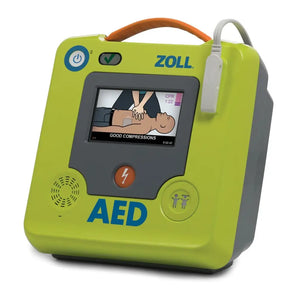
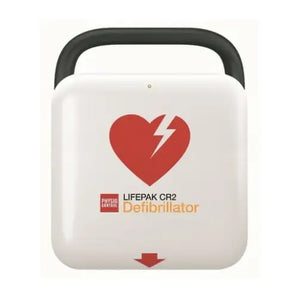
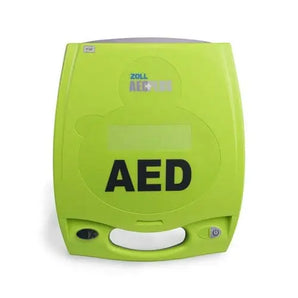
An AED, or automated external defibrillator, is a portable medical device designed to analyze heart rhythms and deliver an electric shock to restore normal heart function during sudden cardiac arrest. These sophisticated yet user-friendly devices have revolutionized emergency cardiac care, making it possible for anyone—regardless of medical training—to save a life.
In Canada, cardiac arrest claims thousands of lives every year. The sobering reality is that survival rates for out-of-hospital cardiac arrest remain critically low, often below 10 percent. However, when an AED is used within the first few minutes of collapse, survival rates can jump to 70 percent or higher. This dramatic improvement in outcomes makes the case for AED accessibility undeniable.

The Simple Rule: More Than One Person Means You Need an AED
The guideline is straightforward: any building in Canada that ever has more than one person present should have an AED. This includes:
- Office buildings and corporate workplaces
- Retail stores and shopping centers
- Restaurants and hospitality venues
- Fitness centers and gyms
- Schools and educational facilities
- Places of worship
- Community centers and recreational facilities
- Industrial facilities and warehouses
- Residential buildings - Condos & Apartments
- Medical and dental offices
- Government buildings
- Homes
- Every other type of building with more than one person inside
The logic behind this recommendation is compelling. Cardiac arrest doesn't discriminate based on location, age, or perceived health status. It can strike anyone, anywhere, at any time. When someone collapses from sudden cardiac arrest, the only effective treatment is defibrillation combined with CPR. Without immediate intervention, the chance of survival decreases by 7 to 10 percent for every minute that passes without defibrillation.
Understanding AED Benefits: Why Automated Defibrillators Save Lives
The benefits of having an AED on-site extend far beyond the immediate life-saving potential:
Immediate Response Capability
Emergency medical services (EMS) in Canada strive for rapid response times, but even in the best circumstances, it typically takes 8 to 12 minutes for paramedics to arrive. Brain death and permanent damage begin within 4 to 6 minutes of cardiac arrest. An on-site AED bridges this critical gap, providing immediate treatment when time is most precious.
Ease of Use
Modern AEDs are designed with simplicity in mind. They provide clear voice prompts, visual instructions, and automated heart rhythm analysis. The device will only allow a shock to be delivered if it detects a life-threatening rhythm, making them extremely safe for use by non-medical personnel.
Legal Protection
Having an AED and trained responders demonstrates due diligence in protecting the health and safety of employees, customers, and visitors. All Canadian provinces and territories have Good Samaritan laws that protect individuals who use an AED in good faith during an emergency.
Community Confidence
The presence of an AED signals to employees, customers, and visitors that their safety is a top priority. This commitment to emergency preparedness enhances reputation and creates peace of mind for everyone who enters your building.
Comprehensive Emergency Readiness
When combined with CPR training, an AED program creates a robust emergency response capability. The combination of AED and CPR maximizes the chances of survival and positive outcomes for cardiac arrest victims.
AED Canada: Understanding Regulations and Best Practices
While Canada doesn't currently have federal legislation mandating AEDs in all buildings, the landscape is evolving. Several provinces have implemented or are considering legislation requiring AEDs in specific settings, particularly schools, sports facilities, and government buildings.
Regardless of legal requirements, the Canadian Heart and Stroke Foundation strongly recommends that organizations implement Public Access Defibrillation (PAD) programs. These programs ensure that AEDs are readily available and that staff members are trained in their use alongside CPR.
Key Components of an Effective AED Program in Canada:
- Strategic AED Placement: Position AEDs so they can be retrieved and brought to any location in the building within 3 minutes
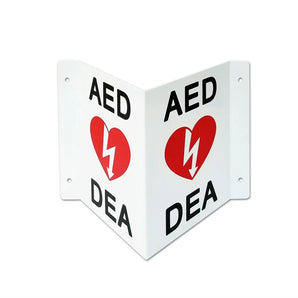
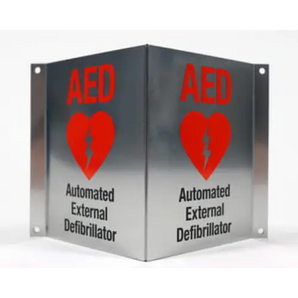
- Clear Signage: Use highly visible AED signs to ensure the device can be located quickly during an emergency
- Regular Maintenance: Perform routine checks to ensure the AED is in working order and that pads and batteries are current
- Staff Training: Provide AED and CPR training to ensure confidence and competence during emergencies
- Emergency Action Plan: Develop clear protocols for cardiac emergencies that include AED use, CPR, and EMS activation
AED Cost: Understanding the Investment in Life Safety
One of the most common questions building owners ask is about AED cost. While prices vary depending on the model and features, AEDs in Canada typically range from $2,000 to $3,000. When you consider this investment against the value of even one human life, the return is immeasurable.
Breaking Down AED Costs:
- Initial Device Purchase: $2,00 to $3,000 depending on model and features
- Replacement Pads: $50 to $300 every 2 to 5 years (or after use)
- Replacement Battery: $200 to $400 every 4 to 7 years
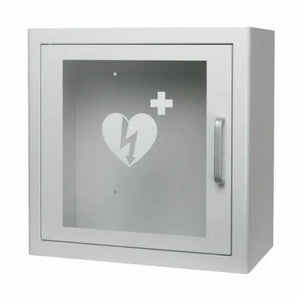
- Storage Cabinet (optional but recommended): $300 to $600
- Staff Training: $75 to $150 per person for combined AED and CPR certification
Many Canadian businesses find that the total cost of ownership over a 10-year period is less than $5,000—a modest investment when measured against the potential to save lives.
Financial Considerations:
Some organizations may be eligible for grants or funding assistance for AED purchases. Additionally, the cost of not having an AED could include legal liability, negative publicity, and the immeasurable loss of a preventable death.
AED Defib Technology: How Automated External Defibrillators Work
Understanding how an AED works helps demystify the technology and build confidence in its use. When someone experiences sudden cardiac arrest, the heart enters a chaotic rhythm called ventricular fibrillation (VF) or ventricular tachycardia (VT). During these rhythms, the heart quivers ineffectively instead of pumping blood.
An automated defibrillator delivers a controlled electric shock that momentarily stops all electrical activity in the heart. This "reset" allows the heart's natural pacemaker to re-establish an effective rhythm. The sophisticated technology within modern AEDs analyzes the heart rhythm and determines whether a shock is needed—the user doesn't need to make this critical medical decision.
Modern AED Features:
- Automated rhythm analysis with no interpretation required by the user
- Voice and visual prompts that guide users through each step
- Metronome or voice coaching for CPR compressions at the correct rate
- Pre-connected pads for faster deployment
- Data recording that captures event information for medical review
- Child-appropriate settings or pediatric pads for victims under 8 years old
- Bilingual operation (English/French) for Canadian requirements
Choosing the Right AED for Your Canadian Building
Not all AEDs are created equal, and selecting the right device requires consideration of your specific environment and needs. Key factors include:
Environmental Conditions
- Temperature range: Important for facilities with varying climates
- Dust and moisture protection: Critical for industrial or outdoor settings
- Durability: Consider high-traffic areas or demanding environments
User Considerations
- Frequency of training: How often will your team refresh their skills?
- Turnover rates: Will new staff need frequent orientation to the device?
- Public access: Will untrained bystanders potentially use the AED?
Special Populations
- Children present: Consider devices with pediatric capabilities
- Public venues: Units with clear, simple operation for untrained users
- Multi-language needs: Bilingual operation for diverse populations
Why Choose AED.ca for Your Automated External Defibrillator Needs
When it comes to purchasing an AED in Canada, working with a knowledgeable, experienced supplier makes all the difference. AED.ca has established itself as Canada's premier source for automated external defibrillators, offering comprehensive solutions that go far beyond simply selling devices.
What Sets AED.ca Apart:
Expert Guidance: The team at AED.ca helps organizations select the right AED for their specific environment, budget, and requirements.
Comprehensive Support: From initial consultation through installation, training, and ongoing maintenance, AED.ca provides end-to-end support for your emergency preparedness program.
Quality Products: AED.ca offers only Health Canada-approved devices from leading manufacturers, ensuring reliability when it matters most.
Maintenance Programs: AED.ca offers service plans that include regular inspections, pad and battery replacements, and device updates.
Fast Shipping: With distribution across Canada, AED.ca ensures quick delivery and responsive customer service from coast to coast.
Meet Martin Andrews: Canadian AED Expert and AED.ca President

Leading AED.ca's mission to make automated external defibrillators accessible throughout Canada is Martin Andrews, a recognized Canadian AED expert and passionate advocate for cardiac emergency preparedness.
As President of AED.ca, Martin Andrews brings extensive knowledge of emergency medical equipment and a deep commitment to improving cardiac arrest survival rates across Canada. His expertise spans the technical aspects of AED technology, the regulatory landscape governing medical devices in Canada, and the practical implementation of effective Public Access Defibrillation programs.
Martin's approach is rooted in education and empowerment. He understands that purchasing an AED is just the first step—true preparedness comes from proper training, strategic placement, and organizational readiness. Under his leadership, AED.ca has helped thousands of Canadian organizations implement successful AED programs, creating safer environments in workplaces, schools, community centers, and public spaces from British Columbia to Newfoundland.
With a reputation for integrity, responsiveness, and genuine care for customer success, Martin Andrews has become a trusted resource for businesses, institutions, and organizations seeking to enhance their emergency preparedness. His expertise has made AED.ca the go-to source for automated external defibrillators in Canada.
Taking Action: Implementing Your AED Program Today
If you're still asking "Do I need an AED?"—and your building ever has more than one person present—the answer is yes. The question then becomes not whether to act, but how quickly you can implement this life-saving measure.
Steps to Get Started:
- Assess Your Needs: Evaluate your building size, occupancy, and specific requirements
- Contact AED.ca: Speak with Martin Andrews and his team to identify the right solution for your organization
- Develop Your Plan: Create an emergency action plan that includes AED location, trained responders, and clear protocols
- Purchase and Install: Acquire your AED and install it in an accessible, well-marked location
- Train Your Team: Ensure multiple staff members receive CPR and AED training
- Maintain Readiness: Implement regular checks and maintenance to ensure your AED is always ready
- Practice and Review: Conduct periodic emergency drills and update your response plan as needed
The Bottom Line: Every Second Counts, Every Building Matters
Sudden cardiac arrest doesn't announce its arrival. It doesn't check whether an AED is nearby or whether trained responders are available. It simply strikes—and when it does, having an automated external defibrillator immediately accessible is the single most important factor in determining whether someone lives or dies.
The recommendation is clear: every building in Canada that ever has more than one person present should have an AED. This isn't about regulations or compliance—it's about recognizing that the people who enter your building, whether employees, customers, students, or visitors, deserve the protection that an AED provides.
The cost is modest. The technology is proven. The operation is simple. The benefits are profound. And the alternative—not having an AED when someone needs it—is a risk no building owner or manager should be willing to take.
Ready to Protect Your Building? Contact AED.ca Today
Don't wait for a cardiac emergency to wish you had acted sooner. Contact AED.ca and speak with President Martin Andrews and his expert team to discuss your specific needs and implement a comprehensive AED program for your building.
With AED.ca's guidance, you'll have more than just a device—you'll have a complete emergency preparedness solution backed by Canadian expertise and a commitment to saving lives.
Visit AED.ca or call today to take the first step toward making your building truly safe.
Remember: An AED is only effective if it is present, accessible, and ready to use. Every Canadian building with more than one occupant should prioritize this life-saving investment.