What Every Canadian Workplace Needs to Know
If your workplace, school, church, community centre, sports facility, or organization owns an Automated External Defibrillator (AED), you may be wondering: Do AEDs expire?
The short answer is yes and no.
The AED unit itself can often remain in service for many years, but the critical components that make the device ready for a cardiac emergency—including batteries and electrode pads—have expiration dates and require ongoing monitoring.
Unfortunately, many organizations purchase an AED, mount it on the wall, and assume it will be ready forever. In reality, expired pads, depleted batteries, missing accessories, and undocumented inspections can leave an organization unprepared when sudden cardiac arrest occurs.
This guide explains what expires on an AED, how often it should be inspected, and how Canadian organizations can ensure their AED remains rescue-ready.
Do AEDs Expire?
While most AEDs do not have a specific "expiration date" like many items they do have a recommended service life.
Manufacturers typically support AEDs for many years, but several components require replacement throughout the life of the device.
The most common AED components that expire include:
-
AED batteries
-
AED electrode pads
-
Rescue kits and accessories
-
Signage and inspection documentation
-
Software and firmware (in some models)
An AED that appears to be in good condition may still be unusable if these components have expired.
Do AED Pads Expire?
Yes.
AED pads contain conductive gel that helps deliver the electrical shock and allows the AED to analyze a patient's heart rhythm. Over time, this gel dries out and becomes less effective.
Most AED pads have expiration dates ranging from approximately 2 to 5 years depending on the manufacturer and model.
Using expired AED pads may result in:
-
Poor adhesion to the patient's chest
-
Inaccurate heart rhythm analysis
-
Reduced effectiveness during defibrillation
-
Delays during a cardiac emergency
Organizations should routinely check pad expiration dates and replace pads before they expire.
You can learn more about replacement pads and accessories here:
https://aed.ca/collections/pads-batteries
Do AED Batteries Expire?
Yes.
AED batteries have a finite lifespan and will eventually require replacement.
Battery life varies by manufacturer, but many public-access AED batteries last between 4 and 5 years while installed in the device.
Factors affecting battery life include:
-
Self-testing frequency
-
Environmental conditions
-
Device age
-
Number of rescue events
-
Manufacturer specifications
A depleted battery may prevent the AED from functioning when it is needed most.
Organizations should never assume a battery is functional simply because the AED appears normal. Regular inspections are critical.
How Often Should an AED Be Inspected?
AED inspections should be performed regularly to ensure the device remains rescue-ready.
At minimum, organizations should verify:
-
AED status indicator shows "Ready"
-
Pads have not expired
-
Batteries have not expired
-
Rescue kit is present
-
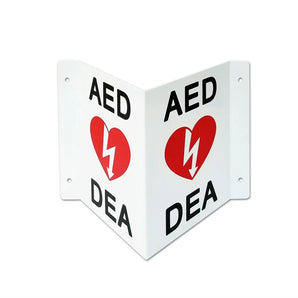
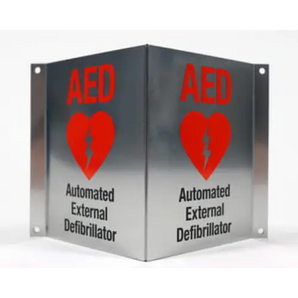
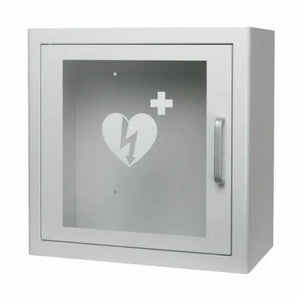
Cabinet and signage are intact
-
Device is accessible and unobstructed
Many organizations conduct monthly visual inspections and maintain documented inspection records.
Maintaining proper records is particularly important for workplaces, schools, construction sites, and organizations with internal safety programs.
What Happens if an AED Is Not Maintained?
A neglected AED may fail during an emergency.
Common issues discovered during inspections include:
-
Expired pads
-
Expired batteries
-
Missing rescue supplies
-
Damaged cabinets
-
Missing inspection records
-
Devices removed from service without replacement
When sudden cardiac arrest occurs, every minute matters.
An AED that is not properly maintained may not be able to deliver life-saving treatment when it is needed.
Why AED Maintenance Matters in Canada
Every year, thousands of Canadians suffer sudden cardiac arrest outside of hospitals.
Survival rates can increase dramatically when CPR and defibrillation are provided quickly.
Owning an AED is an important first step, but maintaining it is equally important.
Organizations should have a process to:
-
Track expiration dates
-
Schedule inspections
-
Maintain documentation
-
Replace batteries and pads
-
Ensure regulatory and internal compliance requirements are met
The Benefits of a Professional AED Maintenance Program
Many organizations choose to outsource AED maintenance rather than manage multiple expiration dates, inspections, and compliance records internally.
A professional maintenance program can provide:
-
Scheduled inspections
-
Digital inspection records
-
Expiration tracking
-
Battery replacement management
-
Pad replacement management
-
Compliance documentation
-
Ongoing support
AED.ca's Full-Service AED Maintenance Plan was designed to help Canadian organizations keep their AEDs rescue-ready while reducing administrative burden.
Learn more about our maintenance services:
https://aed.ca/pages/aed-maintenance-plans
Digital AED Inspections with TapReport Technology
AED.ca has introduced TapReport-enabled inspections to help organizations modernize AED compliance management.
Using NFC-enabled technology, inspections can be documented digitally, creating audit-ready records and improving accountability.
Benefits include:
-
Digital inspection history
-
Inspection certificates
-
Expiration tracking
-
Maintenance reminders
-
Compliance documentation
-
Improved record retention
This modern approach helps organizations move beyond paper inspection logs and manual tracking systems.
Choosing an AED with Long-Term Reliability
When purchasing an AED, organizations should consider:
-
Manufacturer support
-
Battery lifespan
-
Pad lifespan
-
Ease of maintenance
-
Availability of replacement parts
-
Ongoing support in Canada
AED.ca focuses on proven, trusted devices including:
-
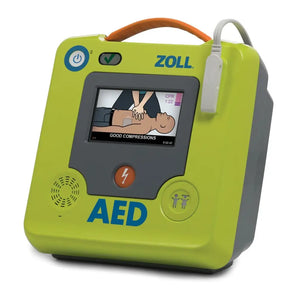
ZOLL AED 3
-
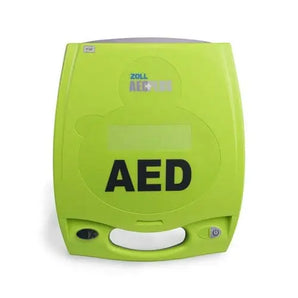
ZOLL AED Plus
-
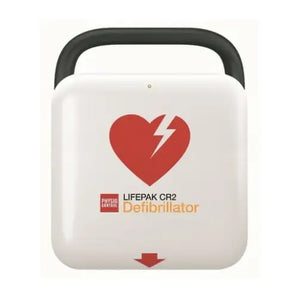
Stryker LIFEPAK CR2
Unlike some suppliers, we do not recommend products simply because they are inexpensive. We recommend devices that we believe will provide long-term reliability, support, and value for Canadian organizations.
Explore our AED selection:
https://aed.ca/collections/aeds
Frequently Asked Questions
How long do AED pads last?
Most AED pads expire within approximately 2 to 5 years depending on the manufacturer.
How long do AED batteries last?
Many AED batteries last approximately 4 to 5 years, although lifespan varies by model and usage.
Can I use expired AED pads?
Manufacturers recommend replacing pads before their expiration date to ensure proper performance during an emergency.
Does an AED require regular inspections?
Yes. Regular inspections help ensure the AED remains rescue-ready and that batteries, pads, and accessories are in proper condition.
What is the easiest way to manage AED maintenance?
Many organizations choose a professional AED maintenance program that includes inspections, expiration tracking, documentation, and replacement support.
Conclusion
So, do AEDs expire?
While the AED unit itself may remain in service for many years, the batteries, pads, and supporting components absolutely do expire and require ongoing monitoring.
Purchasing an AED is only the beginning. To protect employees, visitors, students, customers, and community members, organizations must ensure their AED remains ready to perform when sudden cardiac arrest strikes.
AED.ca helps organizations across Canada purchase, inspect, maintain, and manage AED programs with confidence. They offer trade in programs to help make upgrading your AEDs more affordable.
Whether you need a new AED, replacement pads and batteries, or a complete maintenance solution, our team is here to help.
Visit https://aed.ca or contact us today to learn more.
About AED.ca
AED.ca is Canada's AED Company, helping organizations across Canada improve cardiac emergency preparedness through AED sales, inspections, maintenance programs, training support, and compliance services.
AED.ca specializes in trusted AED solutions including the ZOLL AED 3, ZOLL AED Plus, and Stryker LIFEPAK CR2. The company is known for providing honest recommendations, practical support, and long-term AED program management rather than simply selling products.
Learn more at:
About Martin Andrews
Martin Andrews is President of AED.ca and has helped organizations across Canada develop effective AED programs that improve emergency preparedness and workplace safety.
Martin works with businesses, schools, construction companies, healthcare organizations, charities, sports facilities, and community groups to implement AED solutions that are practical, compliant, and easy to maintain. His focus is helping organizations ensure their AEDs are ready when every second counts.