
AEDs are Often Misunderstood
When it comes to automated external defibrillators (AEDs), misinformation can be as dangerous as the cardiac emergencies these life-saving devices are designed to address. Despite their proven effectiveness and increasing prevalence across Canada, many myths persist about AED defibrillators that prevent people from using them when seconds count. As President of AED.ca, I've encountered these misconceptions countless times, and today I want to set the record straight.
Myth #1: "I'll Get Sued If I Use an AED and Something Goes Wrong"
This is perhaps the most pervasive and dangerous myth surrounding AEDs. The fear of good samaritan liability prevents many well-intentioned bystanders from acting during cardiac emergencies.
The Truth: Canada has robust Good Samaritan laws that protect individuals who provide emergency assistance in good faith. The Good Samaritan statute exists in every province, including the Good Samaritan Law Ontario, which specifically protects those who use an AED machine during an emergency.[1]
Under these good citizen law provisions, you cannot be held liable for damages that might result from using an AED, provided you're acting reasonably and without gross negligence. In fact, there has never been a successful good samaritan lawsuit in Canada against someone who used an AED to help a cardiac arrest victim.[2] The legal system recognizes that attempting to save a life with proper emergency equipment is a protected act.
The reality is simple: the greatest legal and moral risk is doing nothing when someone's life hangs in the balance.
Myth #2: "AEDs Are Too Expensive for Most Organizations"
Many businesses, construction sites, and community organizations believe that AED prices put these devices out of reach.
The Truth: While the automatic defibrillator price varies depending on the model and features, AEDs have become increasingly affordable. The AED defibrillator price typically ranges from $2,295 to $2,500 CAD for quality units, with is a small price to pay to help save a life.
When you consider that an AED can literally save a life, the aed price becomes a negligible investment. For AED Construction sites in Ontario and across Canada, where workers face various safety risks, the cost of an AED is minimal compared to other safety equipment and training programs. Additionally, some insurance providers offer premium reductions for organizations that maintain AEDs on-site.
At AED.ca, we work with organizations across AED Canada to find cost-effective solutions that fit their budgets without compromising on quality or reliability.
Myth #3: "You Need Extensive Medical Training to Use an AED"
Many people assume that operating an AED defib requires the same level of expertise as other medical procedures.
The Truth: AEDs are specifically designed for use by laypersons with minimal or no training. Modern AED aed units provide clear, step-by-step voice instructions that guide users through the entire process. The device analyzes the heart rhythm automatically and will only deliver a shock if one is needed—you cannot accidentally harm someone by using an a_e_d incorrectly.
That said, brief training sessions (often 30 minutes or less) can significantly boost confidence and response times. Organizations throughout AED Ontario and AED Toronto regularly provide this training to employees, and it's far simpler than most people imagine.
Myth #4: "AEDs Don't Require Maintenance Once Installed"
Some organizations believe that once they purchase AEDs, their responsibility ends.
The Truth: Like all life-saving equipment, AEDs require regular maintenance and inspections to ensure they're ready when needed. AED Maintenance includes checking battery life, electrode pad expiration dates, and performing regular self-test verifications.
Proper AED Inspections should be conducted monthly, with detailed records maintained for liability protection and regulatory compliance. In workplace settings, particularly in AED Construction environments, provincial occupational health and safety regulations may mandate specific inspection protocols.
At AED.ca, we emphasize that AED Maintenance is not burdensome—most checks take just a few minutes. Many modern units perform daily self-tests and alert users to any issues. However, organizations should designate a responsible individual to oversee these checks and ensure pads and batteries are replaced before expiration.
Myth #5: "If an AED Is Nearby, I Should Wait for It Before Starting CPR"
Some people believe that fetching an AED should take priority over immediate action.
The Truth: Time is critical during cardiac arrest. Brain damage can begin within 4-6 minutes without oxygen. The optimal response involves immediately calling 911, starting CPR, and having someone retrieve the nearest AED simultaneously.[4]
CPR keeps oxygenated blood flowing to vital organs, while the AED machine addresses the electrical malfunction causing the cardiac arrest. These interventions work together, not as alternatives. Every minute without defibrillation reduces survival chances by approximately 10%.[5]
Myth #6: "AEDs Can Restart a Stopped Heart"
This misconception likely stems from dramatic television portrayals of defibrillation.
The Truth: AEDs don't restart stopped hearts. Instead, they correct dangerous irregular heart rhythms—specifically ventricular fibrillation and pulseless ventricular tachycardia—by delivering an electrical shock that allows the heart to re-establish an effective rhythm.
If someone's heart has completely stopped (asystole), the AED will not deliver a shock. This is why CPR remains essential—it maintains minimal circulation until the heart's electrical system can be corrected or until advanced medical care arrives.
Myth #7: "AEDs Are Only for Elderly People"
Many assume cardiac arrest is purely an age-related condition.
The Truth: Sudden cardiac arrest can affect anyone, regardless of age or apparent health. Athletes, young adults, and even children can experience cardiac events due to undiagnosed heart conditions, trauma, electrocution, drowning, or other causes.
This is why AEDs are increasingly found in schools, sports facilities, construction sites, and community centers throughout AED Canada. The Canadian Pediatric Society recommends AED availability wherever children and youth participate in sports and recreational activities.[6]
Myth #8: "All AEDs Are the Same"
Some organizations select AEDs based solely on price, assuming all units offer identical performance.
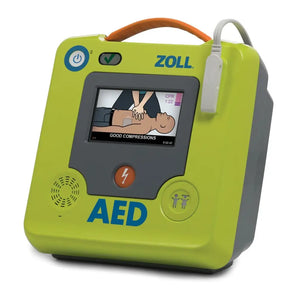
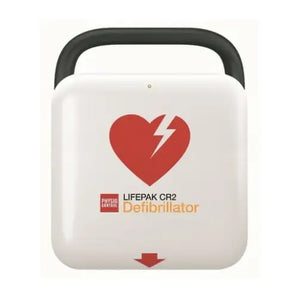
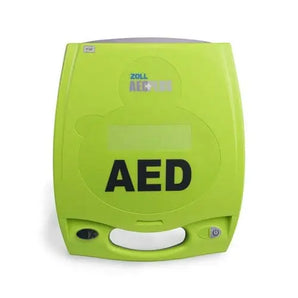
The Truth: While all approved AEDs meet safety and efficacy standards, significant differences exist in durability, ease of use, maintenance requirements, and environmental suitability. For AED Construction sites, ruggedized units with high IP (Ingress Protection) ratings are essential to withstand dust, moisture, and temperature extremes.
Indoor facilities in AED Toronto or other urban centers might prioritize different features, such as bilingual prompts, pediatric capability, or connectivity for automated compliance tracking.
At AED.ca, we help organizations throughout AED Ontario and across Canada select the right aed device for their specific environment and needs, ensuring reliability when it matters most.
Myth #9: "Once You Use an AED, Your Job Is Done"
Some believe that applying an AED completes the rescue process.
The Truth: After using an AED, you must continue care until emergency medical services arrive. This typically means resuming CPR immediately after shock delivery if the person remains unresponsive. The AED will continue monitoring and provide additional shocks if needed.
Modern AEDs provide ongoing guidance throughout this process, but the rescuer must remain with the victim, follow the device's prompts, and provide information to paramedics upon their arrival.
Myth #10: "AED Programs Are Only for Large Organizations"
Small businesses often believe AED programs are only practical for large corporations with dedicated safety staff.
The Truth: AEDs are valuable for organizations of all sizes. Small businesses, family farms, rural communities, and even private residences can benefit from having an AED accessible. In rural areas where emergency response times are longer, on-site AEDs become even more critical.
AED.ca works with organizations throughout AED Canada, from small retail shops in AED Toronto to remote construction sites, providing scalable solutions that fit any setting.
The Bottom Line: AEDs Save Lives When We Overcome Myths
The evidence is overwhelming: AEDs dramatically improve survival rates for sudden cardiac arrest when used quickly. Yet myths and misconceptions continue to prevent optimal utilization of these remarkable devices.
By understanding the truth about Good Samaritan Law protections, reasonable aed ca pricing, simple operation, and proper maintenance, more Canadians can feel confident deploying AEDs when emergencies strike.
At AED.ca, our mission is to increase AED accessibility and education across Canada. Whether you're considering AEDs for your workplace, evaluating AED Maintenance protocols, or simply want to understand how these devices work, we're here to provide accurate information and practical solutions.
Remember: when someone experiences cardiac arrest, every second counts. Don't let myths prevent you from taking action that could save a life.
References
- Good Samaritan Act, 2001, S.O. 2001, c. 2 - Ontario Legislation
- Heart and Stroke Foundation of Canada. (2023). "Legal Protection for AED Users in Canada"
- Health Canada. (2024). "Medical Devices: Automated External Defibrillators"
- Heart and Stroke Foundation. (2024). "Chain of Survival"
- Canadian Cardiovascular Society. (2023). "Sudden Cardiac Arrest Statistics and Response"
- Canadian Pediatric Society. (2022). "Automated External Defibrillators in Youth Settings"
About the Author
Martin Andrews, President of AED.ca
Martin Andrews is the President of AED.ca, A leading Canada's provider of automated external defibrillators and comprehensive cardiac emergency preparedness solutions. With many years of experience in emergency medical equipment and workplace safety, Martin is dedicated to increasing AED accessibility and education across Canada to help save lives.
Under Martin's leadership, AED.ca has equipped many organizations throughout AED Ontario, AED Toronto, and across the country with life-saving AED technology and training. He works closely with businesses, construction companies, educational institutions, and community organizations to develop customized AED programs that meet regulatory requirements while fitting organizational needs and budgets.
When Martin isn't working to expand AED coverage across Canada, he enjoys hiking, pickleball, and skiing, and spending time with his family.
For more information about AED solutions, maintenance programs, and training opportunities, visit AED.ca or contact Martin directly through the website.