What Is an AED?
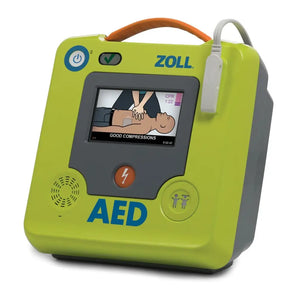
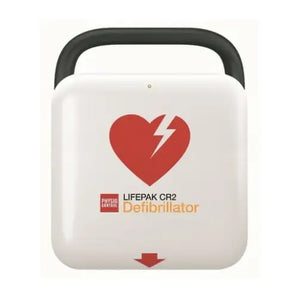
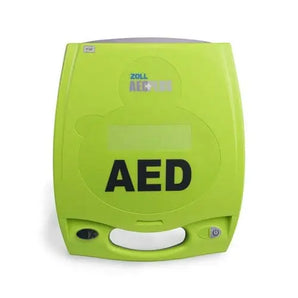
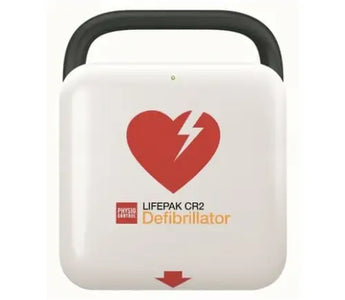
An automated external defibrillator (AED) is a portable, easy-to-use medical device that analyzes a person’s heart rhythm and delivers an electric shock to treat sudden cardiac arrest, restoring a normal heartbeat when used within the first critical minutes. Even though AEDs are as life‑saving as fire extinguishers are property‑saving, they are not universally required by law, which is why organizations increasingly choose to implement their own AED programs and work with trusted providers such as AED.ca.
An automated external defibrillator is a battery‑powered device that detects specific life‑threatening heart rhythms such as ventricular fibrillation and ventricular tachycardia and then, if appropriate, delivers a controlled electric shock (defibrillation). This shock “resets” the heart’s electrical system, giving it a chance to resume a normal rhythm—something CPR alone cannot do.
Modern public access AEDs are designed for non‑medical bystanders, with voice prompts, diagrams, and built‑in safety checks that prevent a shock from being delivered unless the device detects a shockable rhythm. Pads are placed on the chest as shown on the unit, the device analyzes the rhythm automatically, and it will either advise a shock or prompt the rescuer to continue CPR.

Why AEDs Matter in Sudden Cardiac Arrest
Sudden cardiac arrest (SCA) is an electrical problem in the heart that causes it to stop pumping blood effectively, often without warning and frequently outside of hospitals. For every minute without defibrillation, survival chances can drop by about 7–10 percent, making rapid access to an AED a critical part of the “chain of survival.”
AEDs bridge the gap between the onset of cardiac arrest and the arrival of EMS, which may take several minutes even in urban settings due to distance, traffic, or call volume. Widespread access to AEDs in workplaces, schools, arenas, airports, and other public spaces has been shown to significantly improve survival outcomes and is increasingly viewed as a core element of community safety infrastructure.
If AEDs Are So Critical, Why Aren’t They Required Like Fire Extinguishers?
Despite their importance, there is no broad federal or nationwide requirement in Canada or many other jurisdictions that mandates AEDs in all public buildings the way fire extinguishers are mandated. Instead, AED requirements are typically set by provincial, territorial, or local regulations and may apply only to specific settings such as certain workplaces, sports facilities, or high‑occupancy venues.
Experts often compare AEDs to fire extinguishers because both are emergency tools meant for immediate use by laypeople, yet fire extinguishers became standardized decades ago, while AED policy is still evolving. Some Canadian provinces (for example, Ontario with its AED legislation for certain public locations) have taken steps toward broader placement, but implementation, enforcement, and funding remain uneven, leaving many facilities to act voluntarily.
Key Barriers to AED Requirements
Several practical and policy barriers help explain why AEDs are not yet mandated everywhere fire extinguishers are:
Perception and awareness
Many people still confuse heart attacks with sudden cardiac arrest and underestimate how often SCA occurs outside hospitals, which can lead to AEDs being viewed as “nice to have” rather than essential. Public familiarity with fire safety far exceeds awareness of cardiac arrest response, so regulations have historically lagged for AEDs.
Cost, maintenance, and liability concerns
AEDs involve an upfront purchase plus ongoing costs for pads, batteries, and periodic checks, and organizations may worry about budgets and maintenance responsibilities. Although Good Samaritan laws and manufacturer safeguards are designed to protect rescuers, persistent misconceptions about legal liability and required training can discourage deployment.
Lack of standardization and universal placement rules
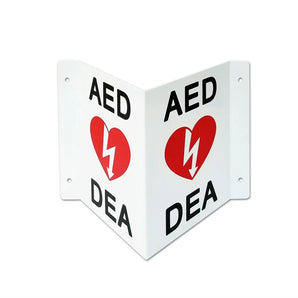
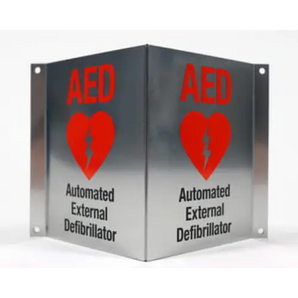
Unlike fire extinguishers, AEDs do not yet have fully universal signage, placement standards, or central registries in many regions, which complicates writing simple “one‑size‑fits‑all” codes. EMS agencies often maintain their own local AED lists, but these data are fragmented and make it harder for policymakers to track coverage and set evidence‑based requirements.
Why Organizations Should Treat AEDs Like Fire Extinguishers
Many safety professionals argue that AEDs are as essential—or more essential—than fire extinguishers because they directly address a leading cause of sudden death rather than primarily protecting property. Fire extinguishers are indispensable, but fatal fires are relatively rare events in most workplaces, whereas out‑of‑hospital cardiac arrest kills tens of thousands of people annually in North America, often in homes, offices, gyms, and schools.
By placing AEDs wherever people live, work, and gather, organizations strengthen their emergency preparedness, align with best practices from resuscitation councils, and demonstrate a clear commitment to employee and public safety. Integrating AEDs into emergency response plans—alongside fire drills, CPR training, and evacuation procedures—builds a culture of readiness where staff know how to act quickly when seconds matter most.
High‑Value Locations for AED Placement
Because sudden cardiac arrest can strike anyone, anywhere, a practical approach is to prioritize:
Workplaces and offices with moderate to high occupancy or longer response times from EMS.
Schools, sports facilities, gyms, and arenas where physical activity and crowd sizes increase risk exposure.
Transit hubs, airports, hotels, retail centers, medical facilities, multi-residential, and places of worship that host large numbers of visitors.
In each of these environments, AEDs should be highly visible, easy to access within roughly a two‑minute walk, clearly signed, and regularly inspected as part of routine safety checks. Staff should receive basic CPR/AED training, and the location should be registered with local EMS or public AED registries where available.
Why Choose AED.ca for Your AED Program?
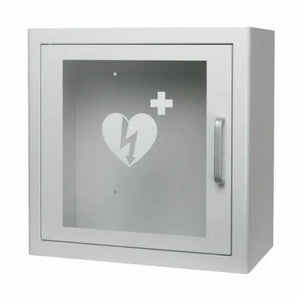
For organizations across Canada, AED.ca specializes in helping select, deploy, and maintain AEDs so that devices are ready when they are needed most. The company focuses on turnkey AED programs that include device selection, wall cabinets and signage, replacement pads and batteries, and guidance on policies and procedures tailored to Canadian workplaces and public facilities.
AED.ca is “Canada’s AED company,” offering expertise on current Canadian standards, provincial legislation, and best practices for public access defibrillation, making it easier for businesses, schools, and community organizations to implement or expand AED coverage confidently. For organizations looking to improve their safety and meet internal ESG or health and safety objectives, partnering with AED.ca supports both compliance and corporate responsibility while ensuring AEDs are properly managed over their full life cycle.
By treating AEDs with the same seriousness as fire extinguishers—and working with a Canadian AED specialist—organizations can move ahead of regulation, protect their people, and play a tangible role in improving cardiac arrest survival in their communities.
Contact AED.ca today for more information.