Why Proper AED Maintenance Matters
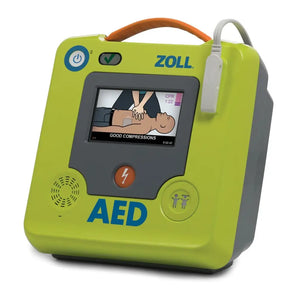
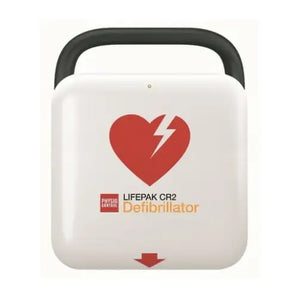
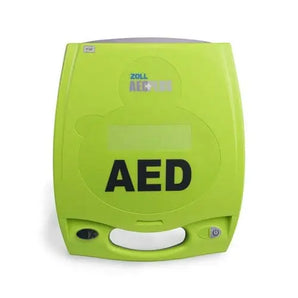
An Automated External Defibrillator (AED) can help save a life during a sudden cardiac arrest emergency — but only if the device is properly maintained, inspected, and ready to use when needed.
Across Canada, many businesses, schools, churches, gyms, sports facilities, offices, municipalities, and public access defibrillation programs purchase an AED with the best intentions. Unfortunately, over time, regular AED inspections and monthly checks can be forgotten due to staff turnover, busy schedules, lack of training, or uncertainty about maintenance requirements.
At AED.ca, we regularly see organizations discover:
- expired AED pads
- dead or low batteries
- missing rescue kits
- failed status indicators
- undocumented AED inspections
- devices that have not had a monthly AED inspection in years
When a cardiac emergency happens, there may not be a second chance.
Why AED Maintenance Is So Important
An AED is a sophisticated medical device. Even though modern defibrillators perform automatic self-tests, they still require regular AED inspections, preventative maintenance, and compliance checks to ensure they are emergency-ready.
A proper AED maintenance program helps ensure:
- the AED is operational
- batteries are within expiration dates
- pads/electrodes are current
- accessories are present
- status indicators show “ready”
- inspection documentation is complete
- the device complies with workplace safety requirements
Without proper AED servicing and monthly readiness checks, organizations may unknowingly leave employees, customers, students, or visitors at risk.
Learn more about workplace AED readiness programs at:
Corporate AED Programs
What Is Included in an AED Inspection?
A proper AED inspection or AED readiness check typically includes:
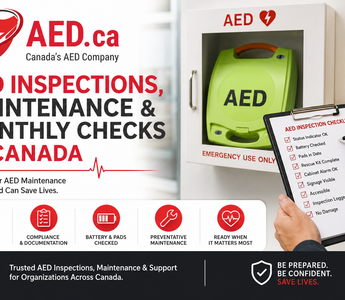
Monthly AED Inspection Checklist
- Verify the AED status indicator is green or shows “OK”
- Check battery expiration dates
- Check AED pad/electrode expiration dates
- Confirm rescue kit contents are complete
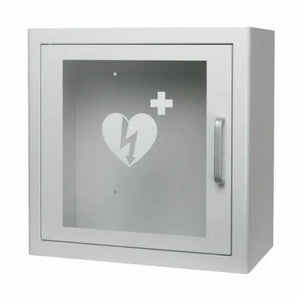
- Ensure the AED cabinet/alarm is functioning
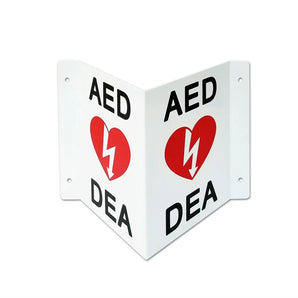
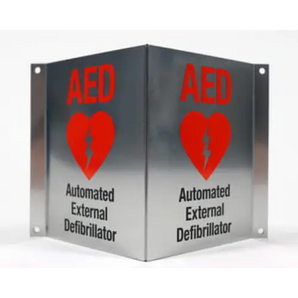
- Verify signage is visible
- Confirm the device is accessible
- Review documentation logs
- Check for physical damage
- Confirm the AED is registered if required
These AED monthly checks are commonly referred to as:
- AED inspections
- AED checks
- defibrillator inspections
- AED compliance checks
- AED operational checks
- AED functionality tests
- AED monthly maintenance
- AED readiness inspections
- AED service inspections
No matter what terminology is used, the goal is the same: ensuring the AED works during a cardiac emergency.
You can also review our guide on AED maintenance and servicing here:
AED Maintenance & Service Guide
Are AED Inspections Required in Canada?
AED laws and recommendations vary across Canada depending on the province, workplace type, and industry.
While not every province has mandatory AED legislation for all businesses, many organizations still have:
- occupational health and safety obligations
- duty-of-care responsibilities
- insurance requirements
- corporate safety policies
- public access defibrillation program standards
In many workplaces, monthly AED inspections and documented AED maintenance logs are considered best practice.
Organizations that fail to maintain a defibrillator may face:
- equipment failure during an emergency
- liability concerns
- compliance issues
- failed internal safety audits
- increased legal exposure
For this reason, many Canadian businesses now use professional AED program management and full-service AED maintenance plans.
The Most Common AED Maintenance Problems
1. Expired AED Pads
AED electrode pads expire regularly and must be replaced before the expiry date.
Shop replacement pads here:
AED Replacement Pads
2. Expired or Failed Batteries
Many organizations assume the battery is fine because the AED “looks okay.” However, battery performance can degrade or expire without obvious warning signs.
Browse AED batteries here:
AED Batteries
3. Missed Monthly AED Checks
Staff turnover and changing responsibilities often result in missed AED inspections and undocumented compliance checks.
4. Missing Rescue Supplies
Items such as gloves, razors, scissors, masks, and wipes are frequently missing from AED rescue kits.
View AED accessories and rescue kits here:
AED Accessories & Rescue Kits
5. Improper Storage
Heat, cold, moisture, or inaccessible storage locations can damage an AED or delay emergency response time.
Who Can Perform an AED Inspection?
Basic AED monthly inspections can often be performed internally by trained staff members. However, many organizations prefer outsourcing AED maintenance and compliance management to experienced AED providers.
Professional AED service programs may include:
- scheduled monthly AED inspections
- compliance tracking
- battery and pad replacement reminders
- inspection documentation
- preventative maintenance
- operational testing
- emergency support
- loaner AED programs
- software and firmware verification
This helps reduce the risk of inspections being forgotten.
Why Canadian Organizations Choose Full-Service AED Programs
A growing number of Canadian businesses, schools, sports organizations, churches, and municipalities are moving toward fully managed AED compliance programs because they:
- reduce administrative workload
- improve inspection consistency
- simplify documentation
- help maintain compliance
- ensure batteries and pads are replaced on time
- improve emergency readiness
At AED.ca, our AED maintenance and AED inspection programs are designed specifically for Canadian organizations that want confidence their defibrillator is always ready.
How Often Should an AED Be Checked?
Most manufacturers and safety programs recommend:
- regular visual AED checks
- documented monthly AED inspections
- post-use inspections after every rescue event
- replacement of expired batteries and pads as needed
Some facilities may also require:
- annual AED audits
- emergency equipment inspections
- facility AED compliance reviews
Always follow the recommendations from your AED manufacturer and your workplace safety requirements.
Need help selecting an AED? Compare available models here:
Shop AEDs in Canada
What Happens If an AED Is Not Maintained?
An unmaintained AED may:
- fail to power on
- fail self-tests
- have expired pads
- have insufficient battery power
- create delays during a rescue
- expose organizations to liability risks
The reality is that many organizations fully intend to maintain their AED, but busy operations and staff changes often cause inspections to get overlooked.
That’s why having a documented AED maintenance and inspection process is critical.
You may also want to read:
https://aed.ca/blogs/news/the-missing-piece-in-aed-ownership-a-proper-maintenance-pla
AED Maintenance Services Across Canada
AED.ca provides AED inspections, AED maintenance programs, AED accessories, replacement pads and batteries, and full-service AED support for organizations across Canada.
We support:
- schols
- workplaces
- gyms
- churches
- municipalities
- sports facilities
- healthcare facilities
- public access defibrillation programs
- national corporate AED programs
Whether you need monthly AED inspections, defibrillator maintenance, AED compliance support, or complete AED program management, our team can help.
Contact us here:
AED.ca
About AED.ca
AED.ca is a Canadian AED supplier specializing in Automated External Defibrillators (AEDs), AED maintenance programs, replacement pads and batteries, workplace AED programs, and public access defibrillation solutions across Canada. AED.ca helps organizations improve cardiac emergency preparedness through professional support, compliance assistance, training coordination, and full-service AED management programs.