AEDs are Literal Life Savers
People want to know:
- Do AEDs really save lives?
- Can anyone use an AED?
- Are AEDs dangerous?
- Do AEDs require maintenance?
- What happens if an AED is used incorrectly?
- How much do AEDs cost?
- Are AEDs required in workplaces or public buildings?
This guide answers the most common AED questions people ask online while helping organizations understand how to choose, maintain, and manage an Automated External Defibrillator (AED) program properly.
What Is an AED?
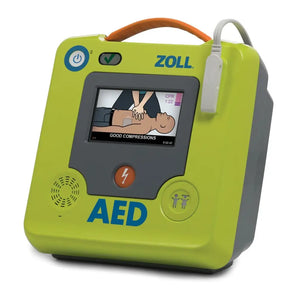
An Automated External Defibrillator (AED) is a portable medical device designed to help someone experiencing sudden cardiac arrest (SCA). The AED analyzes the heart rhythm and, if needed, delivers a shock to help restore a normal heartbeat.
Modern AEDs provide:
- Voice prompts
- Visual instructions
- CPR coaching
- Automatic rhythm analysis
Most AEDs are specifically designed for use by ordinary people with little or no medical training.
Learn more about AED options here:
Do AEDs Really Save Lives?
Yes. AEDs dramatically improve survival rates when used quickly during sudden cardiac arrest.
Without defibrillation:
- Survival decreases by approximately 7–10% every minute
- Brain damage can begin within minutes
- Waiting for EMS alone is often too late
When CPR and an AED are used quickly:
- Survival rates can increase significantly
- Many victims can return to normal life with minimal long-term complications
Public access AED programs are now common in:
- Schools
- Offices
- Gyms
- Churches
- Sports facilities
- Manufacturing plants
- Community centers
Can Anyone Use an AED?
Yes.
Modern AEDs are intentionally designed for public use. The device:
- Talks the rescuer through each step
- Automatically analyzes the heart rhythm
- Will NOT deliver a shock unless it is medically necessary
You cannot accidentally shock someone whose heart does not need it.
Many people are surprised at how simple AEDs are to use during an emergency.
What Happens If You Use an AED on Someone Who Doesn't Need It?
This is one of the most common questions online.
AEDs are extremely safe because they:
- Analyze the patient’s heart rhythm automatically
- Only deliver a shock if a shockable rhythm is detected
- Prevent accidental inappropriate shocks
If a shock is not needed, the AED simply instructs the user to continue CPR.
Do AEDs Need Maintenance?
Absolutely — and this is one of the biggest misconceptions about AED ownership.
Many organizations purchase an AED with good intentions but forget about:
- Monthly inspections
- Electrode expiry dates
- Battery replacement schedules
- Software recalls
- Readiness checks
Staff turnover and busy schedules often result in maintenance being overlooked.
An unmaintained AED may fail during an emergency.
Learn more:
How Often Should AEDs Be Inspected?
Most manufacturers recommend:
- Monthly visual inspections
- Regular status indicator checks
- Monitoring electrode and battery expiry dates
- Immediate inspection after use
Inspection logs are also important for:
- Liability protection
- Workplace compliance
- Insurance documentation
- Health & safety audits
Many organizations now outsource AED inspections to ensure compliance and reliability.
How Long Do AED Pads and Batteries Last?
Typical expiry ranges:
- AED pads: 2–5 years
- AED batteries: 2–7 years
This depends on:
- Manufacturer
- Model
- Environmental conditions
- Usage frequency
Expired pads or batteries can prevent proper operation during an emergency.
Where Should AEDs Be Located?
AEDs should be:
- Visible
- Accessible
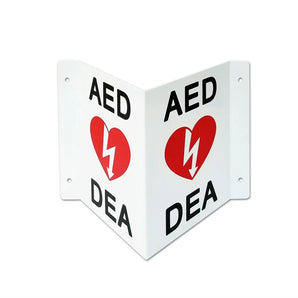
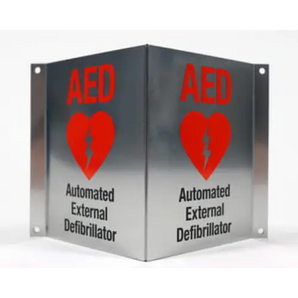
- Clearly marked
- Near high-traffic areas
Common AED locations include:
- Main entrances
- Reception areas
- Gyms
- Lunchrooms
- Security desks
- Sports facilities
Response time matters. Ideally, an AED should be reachable within 3 minutes.
Are AEDs Required by Law in Canada?
AED legislation varies by province and industry.
While many workplaces are not legally required to have AEDs, organizations increasingly install them because:
- They improve emergency preparedness
- They reduce response times
- They support employee safety
- They may reduce liability exposure
Certain facilities, sports venues, and public spaces may have industry-specific recommendations or requirements.
How Much Does an AED Cost?
AED pricing varies depending on:
- Brand
- Features
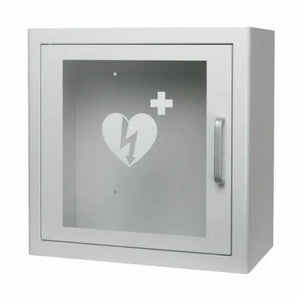
- Cabinet options
- Connectivity
- CPR feedback technology
Typical costs in Canada:
- Basic AED package: approximately $2,295.00–$2,647.00
- Fully managed programs: varies by service level
Some organizations prefer:
- Purchase programs
- Rental programs
- Full-service managed AED programs
Explore options:
Which AED Brand Is Best?
There is no single “best” AED for every organization.
Popular professional AED brands include:
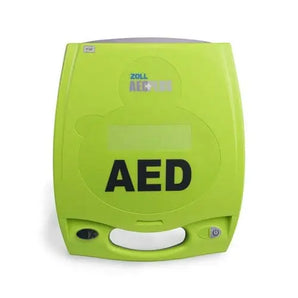
- Zoll
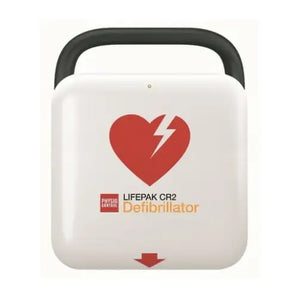
- Physio-Control / LIFEPAK
- HeartSine
The best AED depends on:
- Environment
- Budget
- User experience
- Maintenance expectations
- Connectivity requirements
Many organizations prioritize:
- Ease of use
- Low maintenance
- CPR coaching
- Long-term support availability
Should You Buy an AED Online?
This is another major topic discussed online.
Buying an AED from an unknown online seller can create risks:
- Expired accessories
- Poor support
- No maintenance reminders
- Lack of warranty assistance
- No post-sale training or inspection support
Many organizations now prefer working with Canadian AED specialists that provide:
- Ongoing support
- Maintenance programs
- Inspection reminders
- Replacement scheduling
- Compliance assistance
What Is the Biggest Mistake Organizations Make With AEDs?
The biggest mistake is assuming the AED will always remain ready without ongoing management.
Common issues include:
- Expired pads
- Dead batteries
- Missing rescue kits
- No inspection documentation
- Devices forgotten in storage rooms
A properly maintained AED program is just as important as purchasing the AED itself.
Final Thoughts
The internet is full of questions about AEDs because people genuinely want to be prepared to save a life.
The good news is:
- AEDs are simple to use
- They are highly effective
- They are safe for public use
- Proper maintenance ensures readiness when seconds matter most
Whether you are purchasing your first AED or managing multiple devices across locations, having a complete AED program can make all the difference during a cardiac emergency.
About AED.ca
AED.ca is a Canadian provider of Automated External Defibrillators (AEDs), AED inspections, maintenance services, replacement supplies, and corporate AED programs. AED.ca helps organizations across Canada improve emergency preparedness through equipment sales, full-service AED management, training support, and ongoing compliance assistance.