FAQ | General AED Information
Defibrillation and AEDs: Frequently Asked Questions
General AED Information
What is an Automated External Defibrillator (AED)?
An AED (Automated External Defibrillator) is a portable device that analyzes a person’s heart rhythm and, if necessary, delivers an electric shock to restore a normal heartbeat. It is designed for use by both trained and untrained rescuers during sudden cardiac arrest. AEDs are found in workplaces, schools, and public spaces across Canada.
What does an AED do?
An AED detects abnormal heart rhythms, particularly life-threatening ones like ventricular fibrillation, and delivers a shock to potentially restore a normal rhythm.
Is an AED the same thing as a defibrillator?
An AED is a type of defibrillator designed for public use. While manual hospital defibrillators require trained professionals, AEDs are automated and guide anyone through the process with clear instructions. Both perform the same function — delivering a controlled shock to restart the heart — but AEDs are simpler and portable and designed for non professional use.
Can anyone use an AED?
AEDs are designed so anyone can use them, even without formal training. The device provides clear voice instructions to guide you step-by-step. Training is recommended to build confidence. Good Samaritan laws in Canada protect anyone who uses an AED in good faith during an emergency.
First Aid/CPR & AED training in Canada
AED and CPR training are available through many national providers, including the Heart & Stroke Foundation and St. John Ambulance. Training teaches how to recognize cardiac arrest, perform CPR, and use an AED confidently. While not required by law in most provinces, training helps ensure faster and more effective response during an emergency.
Contact AED.ca for assistance.
Can I be sued for using an AED?
Canadian provinces have “Good Samaritan” legislation protecting the lay rescuer from lawsuits.
What is AED in first aid?
In first aid, an AED is used to provide rapid response in cases of sudden cardiac arrest, significantly increasing the chance of survival.
How to get an AED for free in Canada?
Some Canadian organizations offer AEDs for free or at reduced costs. You can check with the Heart & Stroke Foundation of Canada, local health departments, and certain government programs aimed at increasing AED access in public areas.
When to use an AED
Use an AED when someone is unresponsive and not breathing or breathing abnormally, indicating potential cardiac arrest.
How many volts are in an AED?
AEDs typically deliver shocks between150 and 360 joules of energy depending on the device.
How much does an AED cost?
An AED can cost anywhere between $1,899.00 to $2,674.00 CAD, depending on the model and features.
Where is the closest AED to me?
You can locate the nearest AED by using the AED registry in your area, or an AED locator app (such as PulsePoint AED), and many public places (gyms, malls, airports) are equipped with AEDs.
Do I need a prescription to buy an AED in Canada?
A prescription is not required to purchase an AED in Canada. AEDs are approved by Health Canada for public use and can be purchased by individuals, workplaces, and community groups. Anyone can own an AED, but it’s important to buy one that meets Canadian standards and includes proper training and maintenance support.
What happens after I use an AED?
After using an AED, keep it on until emergency services arrive. Once the emergency is over, the pads and possibly the battery will need to be replaced. Check your AED’s status indicator, restock any used items, and log the incident in your maintenance records. This ensures your AED is ready for the next emergency.
Contact AED.ca after using your AED for guidance.
Where should you place an AED in a building?
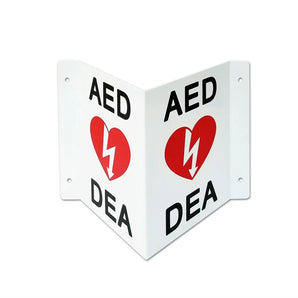
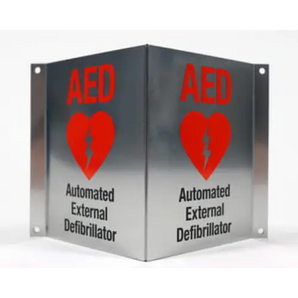
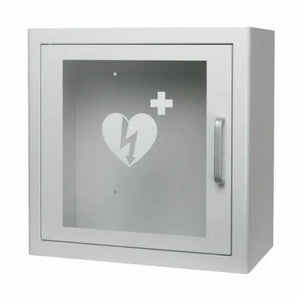
AEDs should be placed in easily visible and accessible areas where they can be reached within three minutes from anywhere in the building. Common spots include near main entrances, reception areas, gyms, or hallways with heavy foot traffic. Make sure the AED is clearly marked with signage and stored in a cabinet that protects it from damage but is easy to open during an emergency.
How much does it cost to maintain an AED?
Most AEDs are low maintenance, but you’ll need to budget for replacement pads and batteries, which typically expire every two to five years. The total maintenance cost depends on your AED model and frequency of use. Regular monthly inspections ensure the device stays in "Rescue Ready”, and that consumables are replaced before expiry.
For specific costs based on your make and model of AED, contact AED.ca.
What features should I look for when buying an AED?
Look for an AED that is easy to use, approved by Health Canada, and includes clear voice and visual prompts. Other useful features include long battery life, pediatric pad compatibility, automatic self-tests, and durable design. Choose a device that fits your environment, whether it’s a school, office, or outdoor setting.
If not sure which AED is best for you contact AED.ca for an expert recommendation.
Are AEDs safe for pregnant women?
AEDs are safe to use on pregnant women experiencing cardiac arrest. The device only delivers a shock if needed, and restoring the mother’s heartbeat is critical for both her and the baby’s survival. Always follow the AED’s voice prompts and continue CPR until help arrives.
AED maintenance checklist (Canada)
AEDs should be checked monthly to confirm they’re ready for use. Ensure the status indicator shows “ready,” pads and batteries are within expiry, and the device is clean and undamaged. Keep maintenance logs, and replace pads or batteries after use or before they expire. Annual inspections by a qualified technician are also recommended.
AED.ca offers AED inspection services in some areas.
AED pad expiry (Canada)
AED electrode pads have an expiry date, typically every two to five years. Over time, the gel can dry out, making the pads less effective. Always replace expired or used pads immediately to keep your AED ready for emergencies.
Can you reuse AED pads?
AED pads are single-use and must be replaced after each use. Once the packaging is opened or the pads have been applied to a patient, they can no longer provide proper adhesion or conduction.
Are AED pads universal?
AED pads are not universal. Each AED model requires pads made specifically for that brand and model. Always check compatibility when ordering replacements to ensure proper performance and warranty coverage.
Are AED pads one-time use?
AED pads are designed for one-time use only. After a rescue or once the package is opened, replace the pads immediately with a new set.
Contact AED.ca to order new AED pads after use.
Are AED batteries rechargeable?
AED batteries are not rechargeable. They’re long-life lithium batteries designed to stay ready for several years. Some professional or advanced AED models may offer rechargeable options, but always check your manufacturer’s specifications.
Automatic vs Semi-Automatic AEDs
A semi-automatic AED requires the rescuer to press a button to deliver the shock once advised. A fully automatic AED delivers the shock on its own after warning users to stand clear. Both types are effective and safe — the choice comes down to user preference.
AED.ca recommends fully automatic AEDs to eliminate one step for the user.
What payment options and financing do you offer?
We accept all major credit cards, e-transfer, and cheques. AED.ca also offers affordable monthly payment options through Shop Pay and other financing partners. Terms and eligibility may vary depending on the total purchase amount.
If you require a custom payment plan or a formal quote for your organization, contact AED.ca for a tailored solution that fits your needs.
What warranty comes with my AED and how do I register it?
All AEDs purchased through AED.ca include the full manufacturer’s warranty. Coverage typically applies to defects in materials and workmanship for the device and may differ for batteries and electrode pads depending on the brand and model.
We recommend registering your AED with the manufacturer. Registration confirms warranty coverage and for some manufacturers extends the warranty period. It also ensures you receive recall or safety notices, and allows us to provide faster support if you ever need service.
What routine maintenance is required and does the AED perform self-tests?
Modern AEDs conduct automatic self-tests daily or weekly to verify battery life, pad condition, and internal electronics. Even with these self-checks, we suggest a quick visual inspection once a week and a documented monthly check as part of your safety program.
If the device displays a red light or an error message or is beeping, remove it from service immediately and contact AED.ca for technical assistance or repair options.
What should I do after the AED has been used?
After using an AED, ensure 911 has been called and stay with the patient until emergency personnel arrive. Keep the AED powered on and follow the device prompts.
Once the emergency is over, replace any single-use items such as pads and contact AED.ca. We’ll help you inspect and test the unit, download event data if needed, and return it to full readiness.
Do I need certification to use an AED?
AEDs are designed so anyone can use them, even without training. The device gives clear voice instructions to guide you through every step during an emergency.
However, taking a CPR/AED course is highly recommended—it improves confidence and response time. AED.ca can help connect you with a training provider to help you and your team stay prepared.
Do you provide maintenance plans, inspections, and program management?
AED.ca offers inspection services in some areas, scheduled maintenance plans, and complete AED program management for workplaces, schools, or any organization.
Our plans include readiness checks, pad and battery replacement reminders, compliance documentation, and coordination with manufacturers for any required servicing. We can also provide installation support and help you track all AEDs in your organization.
How long do AED pads and batteries last?
Pad and battery life varies by model and manufacturer, but most electrode pads last 2–5 years, while AED batteries typically last 2–5 years also. AED batteries do not have preset expiry dates. They only begin to expire when installed into an AED.
Always check the expiration labels on your pads and batteries, and replace them immediately after use or prior to being expired. AED.ca provides reminders and replacement kits to keep your AED ready at all times.
Do you offer quotes for workplaces, schools, or bulk orders?
AED.ca provides custom quotes for organizations purchasing multiple AEDs or accessories.
Volume discounts and tailored service packages are available for workplaces, schools, fitness centres, and public buildings, etc. Contact us with your requirements and we’ll prepare a no-obligation quote.
Are employers required to have an AED in Canada?
There is currently no nationwide law requiring every business to have an AED, but many provinces and municipalities are working on regulating AED placement in public facilities, gyms, and workplaces. Manitoba is currently the only province in Canada to require AEDs in certain locations.
Regardless of legal requirements, having an AED on-site greatly improves survival rates for sudden cardiac arrest. AED.ca can help you understand local guidelines and choose the best device for your environment.
What types of training do you offer?
AED.ca offers in-person or online AED training. These sessions are available for individuals, workplaces, community groups, etc.
We do recommend formal First Aid / CPR training that covers emergency response, CPR technique, AED operation, and post-incident reporting.
What cabinet or storage options do you offer?
We offer a full range of indoor and outdoor AED cabinets, including wall-mounted, alarmed, and heated options for cold environments.
A cabinet helps keep your AED protected, visible, and ready to use. Our team can recommend the right cabinet for your location and climate.
What should I do if my AED displays a warning or error light?
A flashing red light or audible alert usually means the AED has detected a self-test failure, expired pads, or a low battery.
Remove the unit from service and contact AED.ca right away for troubleshooting. We can arrange testing, repair, or replacement parts to restore readiness quickly.
Do AEDs work in cold or outdoor environments?
Most AEDs operate best between 0°C and 50°C. In outdoor or unheated environments, the device should be stored in a heated cabinet to prevent battery or pad damage.
AED.ca supplies climate-controlled cabinets suitable for Canadian weather and can advise on proper installation and maintenance.
Can I download or review event data from my AED after it’s used?
Most modern AEDs record detailed event data during use. This information can be downloaded via USB or wireless connection depending on the model.
Our team can help you retrieve and share this data with emergency services or medical professionals if needed.
How should I dispose of expired pads and batteries?
Used or expired electrode pads can be discarded with regular waste, but batteries must be disposed of properly at an approved battery recycling centre.
Check your local recycling program or return batteries to AED.ca for proper handling and disposal.
What should I do if my AED is part of a recall?
If a recall or safety notice is issued, AED.ca will contact all registered owners directly. You can also check the manufacturer’s website or Health Canada’s recall database.
If your AED is affected, AED.ca will advise of the process to follow for replacement or repair.
Do AEDs have Wi-Fi or monitoring capabilities?
Some AED models, such as Stryker Physio-Control LIFEPAK CR2 AEDs or some ZOLL AEDs offer Wi-Fi or cellular monitoring.
These features allow remote readiness checks, battery and pad alerts, and automatic data upload after use. AED.ca can help set up the management of connected AEDs for larger organizations or multi-site programs.
Are AEDs available in both English and French?
Some AED models sold in Canada include bilingual voice prompts (English and French) or have switchable language options.
We also provide bilingual signage, manuals, and training materials to meet the needs of buildings across Canada.