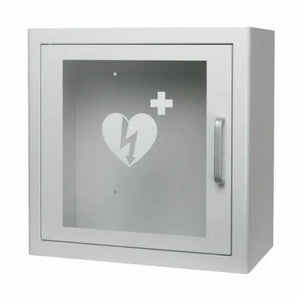
AEDs in Toronto: Essential Life-Saving Equipment for Canada's Largest City

AEDs for Toronto Ontario
When cardiac arrest strikes in Toronto, every second matters. With over 2.9 million residents spread across 630 square kilometers—many living in high-rise condos that now dominate our skyline—access to Automated External Defibrillators (AEDs) can mean the difference between life and death.
Why Toronto Needs More AEDs
Toronto's unique urban landscape creates specific challenges for cardiac emergency response. Our city has:
- Canada's tallest residential buildings, with many residents living 30+ floors above ground
- Dense traffic conditions that can delay emergency medical services
- A growing population with an aging demographic at higher risk for cardiac events
- Thousands of public spaces where cardiac arrests can occur far from medical help
Out-of-hospital cardiac arrest has a survival rate of just 10% in most Canadian cities. However, when bystanders have immediate access to AEDs and perform CPR before paramedics arrive, survival rates can jump to 60%.
The High-Rise Challenge: Toronto's Vertical Reality
Recent medical research reveals a troubling pattern in high-rise cardiac arrest survival:
- Survival drops dramatically above the 3rd floor
- Above the 16th floor, survival rates fall to less than 1%
- Above the 25th floor, survival becomes virtually impossible
This isn't due to paramedic response times alone—it's the combined delay of elevator waits, building navigation, lobby access protocols, and the absence of readily available AEDs throughout Toronto condo buildings.
Where Toronto Needs AEDs Most
While Toronto has made progress placing AEDs in schools, libraries, recreation centers, and transit hubs, critical gaps remain:
Residential High-Rise Buildings
Most cardiac arrests happen at home, yet few Toronto condos have AEDs on residential floors. Current voluntary approaches leave thousands of residents vulnerable.
Transit Systems
With millions using the TTC daily, strategic AED placement throughout subway stations and major transit hubs could save countless lives.
Commercial Districts
Downtown Toronto's office towers, shopping centers, and business districts need comprehensive AED coverage beyond ground-floor lobbies.
Public Spaces
Parks, waterfront areas, and community gathering spots throughout Toronto need accessible emergency equipment.
Toronto AED Regulations: The Push for Change
Toronto City Council has taken notice. The planning and housing committee recently voted to explore making AEDs mandatory in high-rise residential buildings—a move that medical experts and emergency services professionals strongly support.
Currently, Ontario only mandates AEDs at construction sites, leaving most public and residential AED placement decisions to building owners and operators. As Toronto continues growing upward and outward, this patchwork approach is increasingly inadequate.
Learning from Other Cities
Cities like Los Angeles, Seattle, and Vancouver have implemented stronger AED requirements for high-density buildings and transit systems. The results speak for themselves: improved survival rates and faster emergency response times. Toronto has an opportunity to become a Canadian leader in cardiac emergency preparedness.
AEDs Save Toronto Lives
The math is simple and compelling:
- Brain damage begins within 4-6 minutes of cardiac arrest
- Average Toronto EMS response time can range from 7-20 minutes depending on traffic and location
- With immediate AED access, the chance of survival more than doubles
Dr. Lesley James, director of health policy at the Heart and Stroke Foundation, emphasizes that those first few minutes are absolutely critical. When a Toronto resident can provide CPR combined with defibrillation before paramedics arrive, they're giving their neighbor, coworker, or family member a real fighting chance.
AEDs Are Safe and Easy to Use
One common barrier to Toronto AED implementation is the misconception that special training is required. The truth: AEDs are designed for anyone to use, even without medical training.
These devices:
- Provide clear voice instructions
- Automatically analyze heart rhythms
- Only deliver shocks when medically necessary
- Are protected by Ontario's Good Samaritan Law
As emergency responders note: if someone is in cardiac arrest, you cannot make things worse by trying to help. They're already in the most critical state possible.
Implementing Toronto AED Programs
Effective AED implementation in Toronto requires:
Strategic Placement
- Multiple devices per building or facility
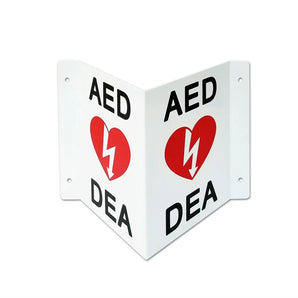
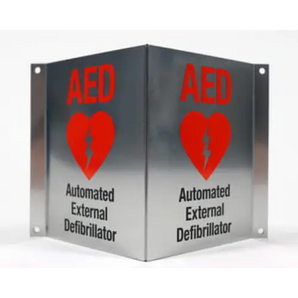
- Visibility and clear signage
- Accessibility within 3-5 minutes from anywhere on the property
Registry Integration
- Registration with Ontario's provincial AED registry
- Geolocation data for 911 dispatcher access
- Regular updates and maintenance tracking
Community Education
- Training sessions for residents, employees, or facility users
- Awareness campaigns about AED locations
- Basic CPR and emergency response education
Ongoing Maintenance
- Regular inspections and battery checks
- Pad expiration monitoring
- Quick replacement of used devices
AED.ca: Your Toronto AED Partner
At AED.ca, we specialize in helping Toronto organizations, condo corporations, businesses, and institutions implement comprehensive AED programs. We understand the specific needs of our city—from navigating high-rise challenges to ensuring compliance with evolving Ontario regulations.
Our Toronto AED Services Include:
- Free consultations to assess your property or facility needs
- Custom placement strategies for Toronto's unique building environments
- Device selection and installation with provincial registry integration
- Maintenance programs ensuring your AEDs are always emergency-ready
- Training and education for your staff, residents, or community members
- Compliance support as Toronto AED regulations continue developing
The Cost of Action vs. Inaction
AEDs typically cost between $1,000-$5,000 per device—a modest investment compared to the value of human life. For Toronto condo corporations, businesses, and institutions, this represents a fraction of annual operating budgets.
The real cost comes from inaction: preventable deaths, emotional trauma, and potential legal exposure when life-saving equipment isn't available during an emergency.
Toronto's AED Future
As Toronto continues growing and evolving, the need for widespread AED access becomes more urgent. Forward-thinking organizations are already taking action—they're not waiting for mandates to do what medical evidence clearly supports.
Every Toronto neighborhood, every building, every public space deserves the same standard of emergency preparedness. The floor you live on, the office you work in, or the park you visit shouldn't determine your chance of surviving a cardiac emergency.
Take Action Today
Whether you manage a Toronto condo building, run a business in the downtown core, operate a community facility, or simply want to make your neighborhood safer—AED.ca can help you implement an effective, compliant AED program.
Contact us today for a free consultation. Because in Toronto, where millions of lives intersect daily in one of North America's most vibrant cities, being prepared to save a life isn't optional—it's essential.
AED.ca - Toronto's AED Implementation Experts
Ready to bring life-saving AED protection to your Toronto location?
📞 Contact AED.ca for your free consultation
📍 Serving all of Toronto and the GTA
💚 Because every second counts, and every life matters
For this city we recommend :
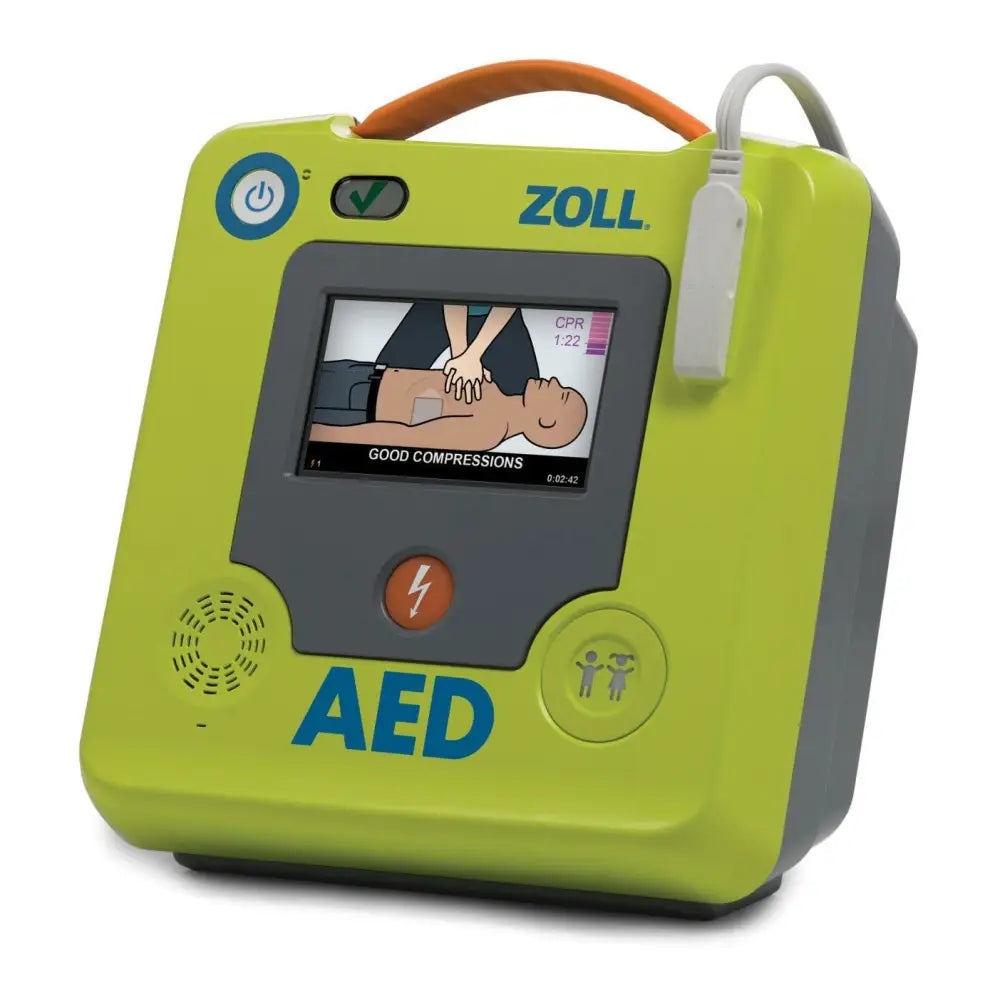
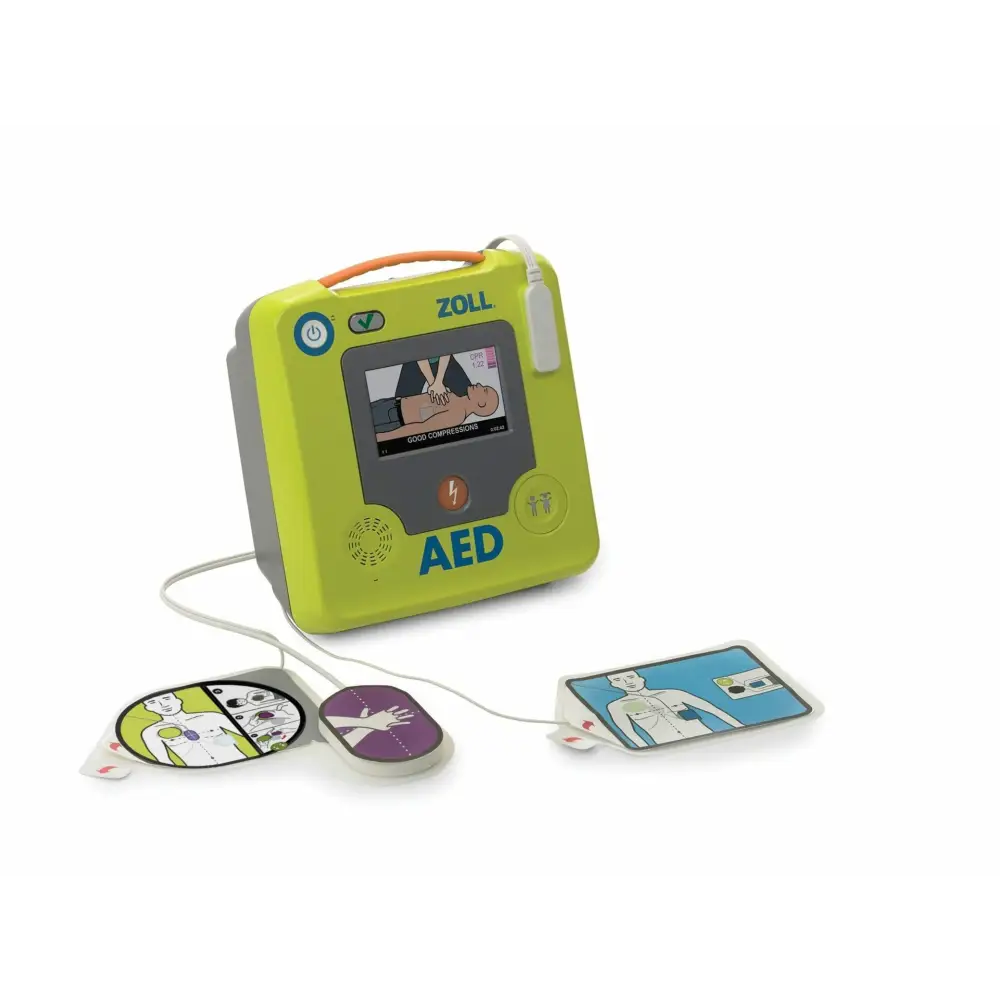
Zoll AED 3