Legal Protections and Life-Saving Benefits
When faced with a cardiac emergency, some bystanders hesitate to use an automated external defibrillator (AED) due to fears about legal liability or causing harm. This hesitation can be deadly – every minute without defibrillation reduces survival chances by 7-10%. Understanding your legal protections and the safety features of modern AEDs can help overcome these fears and empower you to save lives.
Legal Protection: Good Samaritan Laws Shield Rescuers
One of the most common concerns preventing people from using AEDs is the fear of a Good Samaritan lawsuit. However, comprehensive legal protections exist specifically to encourage life-saving interventions during emergencies.
Good Samaritan statutes exist in all Canadian provinces, providing legal immunity to individuals who provide emergency care in good faith. These laws recognize that the benefit of immediate intervention far outweighs the risks, and they protect rescuers from legal action when acting reasonably during emergencies.
The Good Citizen Law principle extends beyond legal protection – it acknowledges our moral obligation to help others in crisis. When someone collapses from sudden cardiac arrest, bystander intervention with an AED defibrillator is often their only chance of survival before emergency medical services arrive.
AEDs Are Designed for Untrained Users
Modern AEDs are engineered with sophisticated safety features that make them nearly impossible to use incorrectly. These devices automatically analyze the heart's rhythm and will only deliver a shock if ventricular fibrillation or ventricular tachycardia is detected. If the person doesn't need defibrillation, the AED simply won't activate – protecting both the victim and the rescuer.
Key safety features of AED defibrillators include:
- Automatic rhythm analysis: The device determines if a shock is needed
- Clear voice prompts: Step-by-step instructions guide users through the process
- Visual indicators: LED lights and screen displays provide additional guidance
- Safety checks: Multiple systems prevent inappropriate shocks
- Child-specific settings: Pediatric pads and dose adjustments for young victims
What the Law Says About AED Use
Good Samaritan statutes typically protect individuals who:
- Act in good faith during an emergency
- Provide care within their level of training
- Do not act recklessly or with gross negligence
- Do not expect compensation for their assistance
These protections specifically extend to AED use, recognizing that these devices are designed for public access and use by untrained individuals. The legal framework encourages rapid response rather than penalizing well-intentioned rescue attempts.
The Real Risk Is Not Acting
While concerns about Good Samaritan lawsuits persist, the actual legal risk is minimal compared to the certainty of what happens without intervention. Sudden cardiac arrest victims have less than a 10% survival rate without immediate defibrillation. With prompt AED use, survival rates can exceed 70%.
Consider these facts:
- Successful AED lawsuits against Good Samaritans are extremely rare
- Legal protections are robust and well-established
- The victim's best interests are served by immediate action
- Emergency medical professionals consistently advocate for bystander AED use
Building Confidence Through Training
While AEDs are designed for untrained users, basic CPR and AED training significantly increases confidence and effectiveness. Many organizations offer brief training sessions that familiarize participants with AED operation and emergency response protocols.
Training benefits include:
- Reduced hesitation during emergencies
- Better understanding of when to use an AED
- Improved coordination with emergency services
- Enhanced overall emergency response skills
Where to Find Quality AEDs
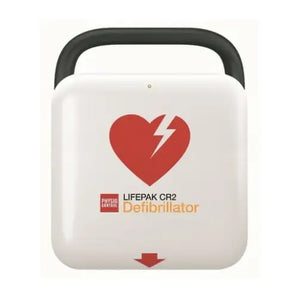
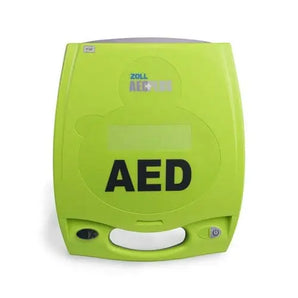
For businesses, schools, organizations, and homes looking to purchase AED equipment, AED.ca offers a comprehensive selection of reliable defibrillators with full support and AED training. Having accessible AEDs in your building, combined with basic staff training, creates a safety net that can save lives while maintaining full legal protection under Good Samaritan statutes.
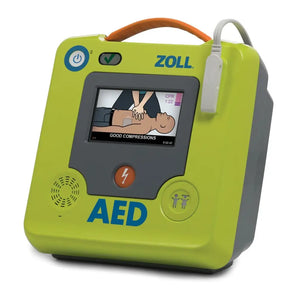
Recommended AED

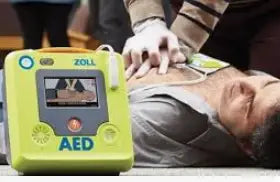
Here are a few of the reasons this AED is recommended:
-
Ability to switch between adult and child rescue at the press of a button - only one set of pads needed
-
Real time Audio & Visual CPR feedback - improves positive outcomes by 50%
-
Full colour screen provides visual instructions in addition to audible instructions
-
Pads and batteries both last 5 years - lowest cost of ownership
For more information go to:
https://aed.ca/products/zoll-aed-3
Taking Action When It Matters
The fear of legal consequences should not prevent you from using an AED during a cardiac emergency. Good Samaritan laws provide strong protections for rescuers acting in good faith, while modern AED technology ensures safe and effective use by untrained individuals.
Remember: the greatest tragedy isn't a Good Samaritan lawsuit – it's the life that could have been saved if someone had acted. When you encounter someone in cardiac arrest, you have both legal protection and moral support for taking life-saving action with an AED defibrillator.
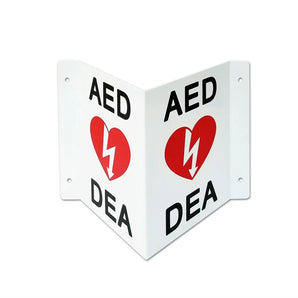
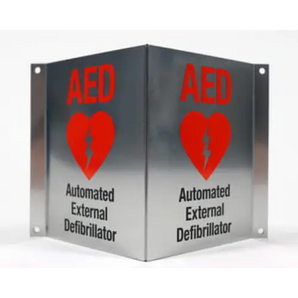
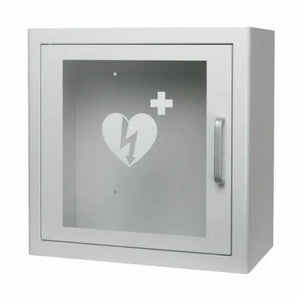
The next time you see an AED mounted on a wall, don't see it as a source of liability – see it as a tool of empowerment, backed by comprehensive legal protections and designed to help ordinary people perform extraordinary rescues.
For more information about AED equipment and training resources, visit AED.ca to explore options that fit your organization's needs while ensuring full compliance with safety and legal requirements.