Protecting Lives and Legal Standing
When your smartphone, laptop, or vehicle warranty expires, you face a familiar decision: continue using the aging technology with increasing risk of failure, or invest in newer, more reliable equipment. The same principle applies to your Automated External Defibrillator (AED), but with far more serious implications. Unlike other technology failures that might cause inconvenience or financial loss, an AED malfunction during a cardiac emergency could cost someone their life.
The Technology Parallel: Why AEDs Age Like Other Critical Equipment
Just as automobiles require regular maintenance and eventual replacement to ensure safety and reliability, AEDs are sophisticated medical devices that experience wear and degradation over time. Your AED defib unit contains complex electronic components, rechargeable batteries, and software that all have finite lifespans.
Consider how you approach other critical technology in your organization:
Vehicle Fleet Management: Many businesses replace company vehicles every 3-5 years, long before major mechanical failures occur. This proactive approach prevents breakdowns that could strand employees or damage the company's reputation.
Computer Systems: IT departments regularly upgrade hardware and software to maintain security, performance, and manufacturer support. Running outdated systems creates vulnerabilities and operational risks.
Safety Equipment: Fire extinguishers, smoke detectors, and security systems are regularly inspected, maintained, and replaced according to manufacturer specifications and regulatory requirements.
Your AED deserves the same proactive approach. When warranty coverage expires, you're essentially operating critical life-saving equipment without manufacturer backing – a risk no responsible organization should accept.
Understanding Good Samaritan Act Protection and Its Limitations
The good samaritan act exists to encourage bystanders to assist in emergency situations without fear of legal repercussions. However, many organizations misunderstand the scope and limitations of these protections, particularly regarding AED maintenance and equipment reliability.
What Good Samaritan Legislation Covers Good citizen law provisions typically protect individuals who:
- Act in good faith during emergencies
- Provide assistance within their training level
- Do not act with gross negligence or willful misconduct
The Equipment Maintenance Requirement Here's where many organizations create unnecessary legal exposure: good samaritan statute protections often require that emergency equipment be properly maintained and in good working order. Using an out-of-warranty AED could potentially compromise these protections if the device fails during an emergency.
Legal experts consistently advise that good samaritan legislation aeds protections are strongest when organizations can demonstrate:
- Regular equipment maintenance
- Compliance with manufacturer recommendations
- Current warranty coverage or equivalent professional support
- Documented training and preparation protocols
The Hidden Risks of Out-of-Warranty AEDs
Operating an expired-warranty AED creates several interconnected risks that extend far beyond the initial purchase price:
1. Technical Reliability Degradation AED defib units rely on complex electronic systems that can fail without warning. Capacitors degrade, circuit boards develop micro-fractures, and software glitches can emerge. Without warranty coverage, these failures might go undetected until a critical moment.
2. Battery Performance Decline Even if your AED shows a "ready" status, battery performance degrades significantly after the warranty period. Older batteries may not deliver the full energy required for effective defibrillation, potentially reducing the chance of successful resuscitation.
3. Software and Algorithm Updates Modern AEDs periodically receive software updates that improve shock delivery algorithms, user interface enhancements, and safety protocols. Out-of-warranty units typically don't receive these critical updates.
4. Legal Exposure Despite Good Samaritan Protection While good samaritan legislation provides significant protection, using poorly maintained or out-of-warranty equipment could be construed as negligence. In a good samaritan lawsuit scenario, plaintiffs might argue that using outdated equipment demonstrates a failure to meet reasonable care standards.
Real-World Consequences: When AED Failures Make Headlines
Unlike computer crashes or vehicle breakdowns, AED failures can have fatal consequences. Consider these scenarios that have occurred with aging equipment:
Case Study 1: The Fitness Center Incident A major gym chain faced a wrongful death lawsuit when their 8-year-old AED failed to deliver a shock during a member's cardiac arrest. Despite having a good samaritan statute defense, the family's legal team argued that using equipment well beyond its recommended replacement cycle constituted negligence. The case settled for an undisclosed amount, but legal fees and reputational damage exceeded the cost of replacing every AED in their network.
Case Study 2: The Corporate Campus Emergency A technology company's out-of-warranty AED showed a "ready" status but failed during an actual emergency when the internal battery couldn't maintain sufficient charge for defibrillation. While good citizen law protections prevented criminal liability, the incident prompted a comprehensive review of all safety equipment and a costly upgrade program that could have been implemented proactively at lower cost.
The Financial Logic of Proactive AED Replacement
Many organizations resist AED upgrades due to upfront costs, but this short-term thinking ignores the long-term financial implications:
Risk Mitigation Costs
- Legal defense costs in a good samaritan lawsuit can easily exceed $100,000
- Settlement amounts in wrongful death cases often reach six or seven figures
- Professional liability insurance premiums may increase after equipment-related incidents
- Reputational damage can impact customer relationships and employee recruitment
Operational Efficiency Newer AEDs offer features that reduce training requirements, improve user confidence, and provide better integration with emergency response protocols. These efficiencies can offset upgrade costs through reduced training expenses and improved emergency response times.
Technology Advancement Benefits Just as upgrading from a 10-year-old smartphone provides dramatically improved functionality, modern AEDs offer significant advantages over older units:
- Enhanced voice prompts in multiple languages
- Real-time CPR feedback
- Improved shock delivery algorithms
- Better environmental durability
- Wireless connectivity for maintenance monitoring
Good Samaritan Legislation: Protection with Responsibilities
Understanding your jurisdiction's specific good samaritan legislation aeds provisions is crucial for making informed decisions about equipment upgrades. While these laws provide valuable protection, they also establish responsibilities:
Duty of Care Standards Most good samaritan statute frameworks establish that protection applies when rescuers act reasonably under the circumstances. Using equipment known to be unreliable or poorly maintained may fall outside these protections.
Training and Preparation Requirements Many jurisdictions require that AED operators receive proper training and that equipment be maintained according to manufacturer specifications. Warranty expiration often coincides with the end of manufacturer support, potentially affecting compliance with these requirements.
Documentation and Liability Organizations should maintain detailed records of AED maintenance, training, and replacement decisions. In any legal proceeding, these records demonstrate due diligence and support good samaritan act protections.
The Upgrade Decision Framework: When and How to Replace Your AED
Developing a systematic approach to AED replacement helps organizations balance cost considerations with safety requirements and legal protections:
Timing Considerations
- Replace AEDs at warranty expiration or within 12 months thereafter
- Consider accelerated replacement if units are exposed to harsh environmental conditions
- Coordinate replacements with budget cycles to manage costs effectively
- Plan for bulk replacements to negotiate better pricing
Selection Criteria for Replacement Units When choosing new AEDs, consider factors that weren't available when your current units were purchased:
- Enhanced user guidance features
- Improved environmental ratings
- Better integration with emergency response systems
- Extended warranty options
- Manufacturer reputation and support quality
Implementation Strategy
- Phase replacements to maintain continuous coverage
- Update training programs to reflect new equipment features
- Revise maintenance protocols for new devices
- Document all changes for compliance and legal protection
Technology Evolution: Why Today's AEDs Outperform Yesterday's Models
The rapid pace of medical technology advancement means that AEDs manufactured even five years ago are significantly less capable than current models. This evolution mirrors improvements seen in other technology sectors:
Computing Power and Analysis Modern AED defib units incorporate more sophisticated processors that can analyze heart rhythms more accurately and deliver more precise therapy. These improvements directly translate to better patient outcomes.
User Interface Enhancements Newer AEDs feature improved visual displays, clearer audio prompts, and more intuitive operation sequences. These enhancements are particularly valuable during high-stress emergency situations when even trained responders may experience performance anxiety.
Connectivity and Monitoring Contemporary AEDs often include wireless connectivity that enables remote monitoring of device status, automatic maintenance alerts, and real-time reporting of device usage. These features help ensure optimal readiness and can provide valuable data for emergency response improvement.
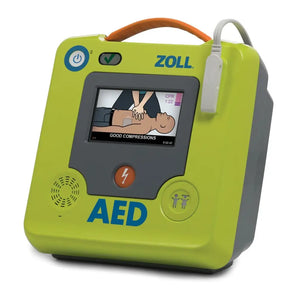
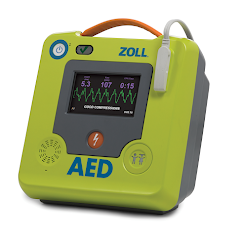
Recommended AED

Here are a few of the reasons this AED is recommended:
-
Ability to switch between adult and child rescue at the press of a button - only one set of pads needed
-
Real time Audio & Visual CPR feedback - improves positive outcomes by 50%
-
Full colour screen provides visual instructions in addition to audible instructions
-
Pads and batteries both last 5 years - lowest cost of ownership
For more information go to:
https://aed.ca/products/zoll-aed-3
Legal Precedents and Evolving Standards
Court decisions and regulatory changes continue to shape the legal landscape surrounding AED maintenance and replacement. Recent trends suggest increasing scrutiny of equipment maintenance practices:
Emerging Legal Standards Courts are increasingly recognizing that good samaritan legislation protections require reasonable care in equipment selection and maintenance. Organizations using significantly outdated equipment may find their legal protections weakened.
Insurance Industry Perspectives Professional liability insurers are beginning to factor equipment age and maintenance practices into coverage decisions and premium calculations. Some insurers now offer premium discounts for organizations with proactive AED replacement policies.
Regulatory Trend Analysis Regulatory agencies are developing more specific guidance on AED maintenance and replacement intervals. Organizations that wait for mandatory requirements often find themselves at a competitive disadvantage compared to those who adopt best practices proactively.
Building a Sustainable AED Program
Creating a long-term AED program that balances cost management with optimal safety requires strategic planning:
Budget Planning Strategies
- Establish dedicated reserves for AED replacement
- Consider leasing programs that include maintenance and upgrades
- Explore group purchasing opportunities with similar organizations
- Factor replacement costs into initial AED selection decisions
Maintenance Integration Coordinate AED maintenance with other critical safety equipment to create efficiency and ensure nothing is overlooked. Many organizations find success in comprehensive safety equipment audits that address fire safety, security systems, and medical emergency equipment simultaneously.
Training Program Evolution As you upgrade AEDs, ensure training programs evolve accordingly. Newer devices often feature enhanced capabilities that can improve emergency response effectiveness, but only if responders are properly trained on these features.
Resources and Support: Leveraging Expert Guidance
Organizations planning AED upgrades can benefit from professional guidance and industry resources:
Manufacturer Support Programs Leading AED manufacturers often provide trade-in programs, bulk purchase discounts, and comprehensive support packages that can reduce upgrade costs and complexity.
Professional Consultation Services Safety consultants and medical equipment specialists can provide objective assessments of current equipment condition and recommendations for replacement timing and product selection.
Industry Resources Companies like AED.ca provide comprehensive information about current AED models, pricing, regulatory requirements, and best practices for Canadian organizations. These resources help ensure that upgrade decisions are based on current, accurate information.
Conclusion: Proactive Replacement as Risk Management
Just as you wouldn't continue driving a vehicle with expired safety inspections or operate critical computer systems without security updates, continuing to rely on out-of-warranty AEDs represents an unnecessary and potentially costly risk.
The intersection of good samaritan legislation protections and equipment reliability requirements creates a compelling case for proactive AED replacement. While good citizen law provisions offer important protections for emergency responders, these protections are strongest when organizations demonstrate reasonable care in equipment selection, maintenance, and replacement.
The cost of upgrading your AED defib units pales in comparison to the potential consequences of equipment failure during a life-threatening emergency. Beyond the immeasurable human cost, the financial exposure from potential good samaritan lawsuit scenarios, regulatory violations, and reputational damage far exceeds the investment in modern, reliable equipment.
Modern AEDs offer significant improvements in reliability, user interface design, and emergency response integration. By treating AED replacement as a routine aspect of safety equipment management – similar to how you approach vehicle maintenance or technology upgrades – you protect both the people in your care and your organization's legal standing.
The question isn't whether you can afford to upgrade your AEDs when warranties expire; it's whether you can afford not to. In the critical moments of a cardiac emergency, having reliable, modern equipment isn't just about legal protection – it's about giving someone the best possible chance of survival.
Don't wait for equipment failure to force your hand. Develop a proactive AED replacement strategy that treats these life-saving devices with the same importance you give to other critical safety systems. Your future self, your organization, and most importantly, the people whose lives depend on your preparedness will thank you for making this investment in reliability and safety.
For guidance on AED replacement planning, warranty options, and compliance with good samaritan legislation requirements in your jurisdiction, contact AED.ca today. They can provide personalized recommendations based on your specific operational needs and risk profile.