
YES AEDs Really are Necessary
Every year, thousands of Canadians experience sudden cardiac arrest (SCA) during physical activity. For sports and fitness facilities across the country, the question isn't whether cardiac emergencies will happen—it's whether your facility will be prepared when they do. The answer lies in understanding the critical importance of automated external defibrillators (AEDs) and how they can save lives in your facility.
The Reality of Cardiac Emergencies in Sports Settings
Sudden cardiac arrest can strike anyone, anywhere, at any time. However, the risk significantly increases during intense physical activity. Sports and fitness facilities see a higher incidence of cardiac events due to the strenuous nature of exercise, particularly among individuals who may have underlying heart conditions.
When SCA occurs, every second counts. The survival rate decreases by 7-10% for every minute that passes without defibrillation. This makes having an AED machine in Canada's sports facilities not just beneficial—it's potentially life-saving.
Understanding AED Technology and Costs
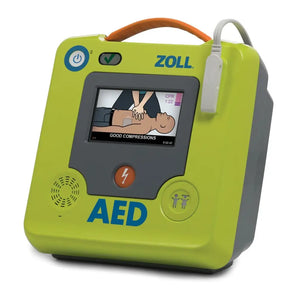
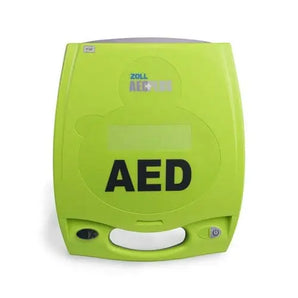
An automated external defibrillator is a portable device that analyzes heart rhythm and delivers an electric shock if needed to restore normal heartbeat. Modern AEDs are designed to be user-friendly, with clear voice prompts that guide even untrained individuals through the process.
When considering the automatic defibrillator cost, facility owners often worry about the investment. However, the price of an AED has become increasingly affordable, with various models available to suit different budgets and facility sizes. The defibrillator price varies based on features, but the investment pales in comparison to the potential to save a life.
Legal Protection: The Canadian Good Samaritan Law
One common concern among facility owners is liability when using an AED. Fortunately, the Canadian Good Samaritan Law provides crucial protection. This legislation protects individuals who voluntarily provide emergency assistance, including the use of AEDs, as long as they act in good faith and without gross negligence.
The Canadian Good Samaritan Law varies by province, but generally offers legal protection to those who:
- Act voluntarily and without expectation of compensation
- Provide assistance in good faith
- Use reasonable care given their level of training
- Do not act with gross negligence
This legal framework removes barriers to AED use, encouraging facility staff and patrons to act quickly in emergencies.
The Business Case for AEDs in Sports Facilities
Beyond the moral imperative to protect lives, there are compelling business reasons for sports and fitness facilities to invest in AEDs:
Risk Management: Having an AED demonstrates proactive safety planning and may reduce liability exposure.
Insurance Benefits: Many insurance providers offer reduced premiums for facilities with comprehensive emergency response equipment.
Competitive Advantage: Safety-conscious consumers increasingly choose facilities that prioritize their well-being.
Compliance: Some jurisdictions require AEDs in certain types of facilities, and regulations continue to evolve.
AED Machine Canada: What to Look For
When shopping for an AED machine in Canada, consider these essential features:
Ease of Use: Look for models with clear voice prompts and visual indicators that guide users through the process.
Durability: Choose devices built to withstand the environment of sports facilities, including temperature variations and potential moisture.
Battery Life: Long-lasting batteries reduce maintenance requirements and ensure readiness when needed.
Maintenance Alerts: Advanced models provide notifications about battery status and required maintenance.
Pediatric Capability: Facilities serving children should ensure their AED can safely treat pediatric patients.
Understanding AED Costs and Value
The AED defibrillator cost encompasses more than just the initial purchase price. Consider these factors when evaluating the total investment:
Initial Purchase: Basic models start at reasonable prices, while advanced features may increase costs.
Training: Staff training is essential and may involve additional costs, though many suppliers include training packages.
Maintenance: Regular maintenance, battery replacement, and pad updates are ongoing considerations.
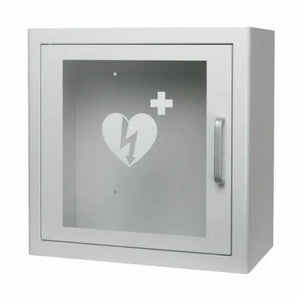
Accessories: Carrying cases, wall mounts, and emergency kits may add to the overall investment.
When evaluating defib prices, remember that the cost of not having an AED when needed is immeasurable. The peace of mind and potential to save lives far outweighs the financial investment.
Recommended AED for Sports & Fitness Facilities
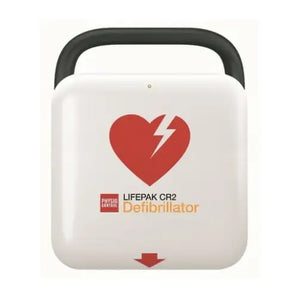
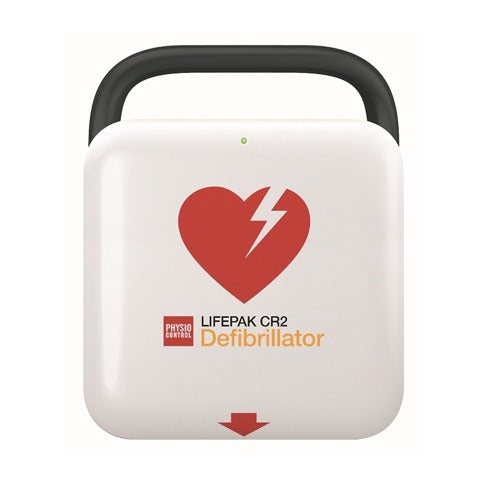
Physio-Control CR2 AED
Reasons why recommend:
-
Ability to switch between adult and child rescue at the press of a button - only one set of pads needed
-
Pads & Batteries both last for your years
-
Fully Bilingual
- Highly resistant to dust and moisture and has an ingress protection (IP) rating of 55. This is among the highest in the industry.
For more information go to:
https://aed.ca/products/stryker-physio-cr2-semi-auto-english-wifi
Choosing the Right AED Provider in Canada
When selecting an AED machine in Canada, partnering with a reputable supplier is crucial. AED.ca stands out as the premier choice for Canadian sports and fitness facilities. Here's why:
Comprehensive Selection: AED.ca offers a wide range of models to suit different facility sizes and budgets, ensuring you find the perfect fit for your needs.
Expert Guidance: Their knowledgeable team helps you navigate the selection process, considering your specific requirements and budget constraints.
Training Support: AED.ca provides AED training to ensure your staff feels confident using the equipment.
Ongoing Support: From maintenance reminders to technical support, AED.ca offers complete lifecycle support for your investment.
Canadian Focus: As a Canadian company, AED.ca understands local regulations, climate considerations, and service requirements.
Implementation Best Practices
Once you've decided to invest in an AED, proper implementation ensures maximum effectiveness:
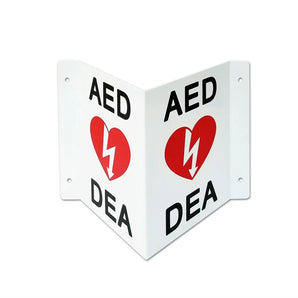
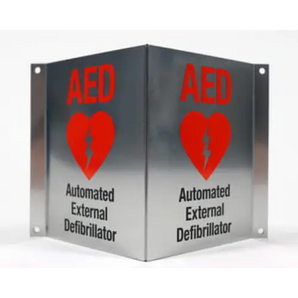
Strategic Placement: Position AEDs in easily accessible locations, clearly marked with signage.
Staff Training: Ensure multiple staff members are trained in AED use and CPR.
Regular Maintenance: Establish a maintenance schedule to keep your AED ready for use.
Emergency Protocols: Develop clear procedures for cardiac emergencies that include AED use.
Community Awareness: Inform facility users about the presence of AEDs and basic emergency procedures.
The Bottom Line: Are AEDs Really Necessary?
The question of whether AEDs are necessary in sports and fitness facilities has a clear answer: absolutely. With the protection of the Canadian Good Samaritan Law, the decreasing automatic defibrillator cost, and the potential to save lives, there's no justifiable reason to delay this critical safety investment.
The price of an AED represents a small fraction of what most facilities spend on other equipment, yet no other investment offers the same life-saving potential. When cardiac emergencies occur—and they will—having an AED machine available could mean the difference between life and death for your facility users.
Don't wait for an emergency to realize the importance of this life-saving technology. Contact AED.ca today to explore your options and take the first step toward making your sports and fitness facility a safer place for everyone who walks through your doors.
Remember, when it comes to sudden cardiac arrest, being prepared isn't just good business—it's the right thing to do. The question isn't whether you can afford to invest in an AED; it's whether you can afford not to.