Are AEDs Really Necessary in Homes
When it comes to sudden cardiac arrest, every second counts. In Canada, approximately 50,000 cardiac arrests occur outside of hospital settings each year, and the statistics are sobering: between 80 and 85 per cent of these cases happening in the home and the rest in a public setting. This reality raises a critical question that every Canadian family should consider: are AEDs really necessary in homes?
The answer is a resounding yes, and here's why an automated external defibrillator could be the difference between life and death for your loved ones.
The Shocking Reality: 7 Out of 10 Cardiac Arrests Happen at Home
About 70% of sudden cardiac death occurs at home, where an AED is usually unavailable until EMS arrives. This statistic alone should be enough to convince any Canadian homeowner that having an AED machine in Canada is not just a luxury—it's a necessity.
Unlike heart attacks, which allow time for emergency response, cardiac arrest is immediate and fatal. Out-of-hospital cardiac arrests are sudden, often unexpected medical emergencies that can happen to anyone, anywhere, at any age. When someone's heart stops beating, brain damage begins within minutes, and survival chances decrease by 10% for every minute that immediate CPR and use of an AED is delayed.
Why AEDs Are Game-Changers in Home Emergencies
Survival rates can double if someone takes fast action and performs CPR and uses an automated external defibrillator (AED). The technology behind these devices has advanced significantly, making them user-friendly and accessible to the general public. Modern AED machines provide clear, step-by-step voice instructions, making it possible for anyone to operate them effectively during an emergency.
The importance of immediate intervention cannot be overstated. Fast action saves lives: Immediate CPR keeps the blood pumping to keep the brain and other vital organs alive and an AED will shock the heart to help it restart. Having an AED at home eliminates the critical time delay that occurs when waiting for emergency medical services to arrive.
Real-Life Heroes: How Home AEDs Save Lives
While specific Canadian stories weren't available in recent searches, the pattern is clear worldwide. Families who have invested in home AEDs have found themselves in situations where these devices literally saved their loved ones' lives. Consider these scenarios:
The Weekend Warrior: A 45-year-old father collapses during a backyard hockey game with his kids. His wife, trained in CPR and with their home AED readily available, is able to provide immediate defibrillation within two minutes. Emergency services arrive to find a man with a pulse, conscious and breathing.
The Morning Routine: A grandmother suffers sudden cardiac arrest while making breakfast. Her daughter, visiting for the weekend, uses the family's AED to restore her mother's heart rhythm before paramedics arrive. The quick action prevents brain damage and saves her life.
The Holiday Gathering: During a family dinner, an uncle collapses from sudden cardiac arrest. Instead of waiting helplessly for emergency services, the family uses their home AED to provide immediate treatment, giving emergency responders a patient with restored circulation upon their arrival.
These scenarios highlight why the automatic defibrillator cost is insignificant compared to the value of a human life.
Understanding the Canadian Good Samaritan Law
One concern that prevents people from taking action during emergencies is the fear of legal liability. Fortunately, Good Samaritan laws across Canada share the common purpose of encouraging individuals to provide emergency assistance without fear of legal liability. The Canadian Good Samaritan law protects individuals who act in good faith to help others during medical emergencies.
Whether you're stepping in to help during an overdose or a cardiac emergency, Good Samaritan laws are in place to protect your decision to act. This legal protection means that using an AED on a family member or even a stranger experiencing cardiac arrest is not only morally right but legally protected.
The Investment in Life: AED Machine Canada Pricing
When considering the defibrillator price, it's important to view it as an investment in your family's safety rather than an expense. The price of an AED varies depending on the model and features, but most quality units suitable for home use range from $2,000 to $3,000 CAD.
Factors affecting the automatic defibrillator cost include:
- Brand reputation and reliability
- Additional features like pediatric capability
- Warranty and support services
- Maintenance and replacement pad costs
While the initial AED defibrillator cost might seem significant, consider that this single device could save multiple lives over its operational lifetime. The defib prices are minimal when compared to the immeasurable value of preserving a family member's life.
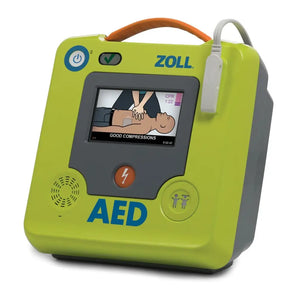
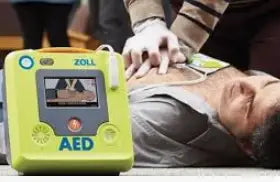
Recommended AED for Medical Offices

Here are a few of the reasons this AED is recommend for Hotels in Canada:
-
Ability to switch between adult and child rescue at the press of a button - only one set of pads needed
-
Real time Audio & Visual CPR feedback - improves positive outcomes by 50%
-
Full colour screen provides visual instructions in addition to audible instructions
-
Pads and batteries both last 5 years - lowest cost of ownership
For more information go to:
https://aed.ca/products/zoll-aed-3
Why AED.ca is Canada's Trusted Choice
When investing in an AED machine in Canada, choosing the right supplier is crucial. AED.ca stands out as the premier choice for Canadian families for several reasons:
Expertise and Experience: AED.ca specializes exclusively in automated external defibrillators, ensuring deep product knowledge and specialized customer support.
Canadian Focus: Understanding the unique needs of Canadian consumers, including compliance with Health Canada regulations and awareness of Canadian Good Samaritan law protections.
Comprehensive Service: From initial consultation to ongoing maintenance support, AED.ca provides complete lifecycle support for your AED investment.
Training and Support: Beyond just selling equipment, AED.ca offers training resources to ensure you're confident and capable of using your AED when needed.
Quality Assurance: All AED machines from AED.ca meet or exceed Canadian safety standards, providing peace of mind with your investment.
Making the Decision: Are AEDs Really Necessary?
The question isn't whether AEDs are necessary in homes—the statistics make that clear. The real question is whether you're prepared to act when cardiac arrest strikes your family. With 70% of sudden cardiac deaths occurring at home, and survival rates doubling with immediate AED use, the math is simple: an AED machine can mean the difference between life and death.
The Canadian Good Samaritan law protects your decision to act, the technology is more user-friendly than ever, and the price of an AED is a small investment compared to the value of a human life. Every minute without intervention reduces survival chances by 10%, making the presence of an AED in your home not just beneficial but potentially life-saving.
Taking Action: Your Next Steps
If you're considering an AED for your home, don't delay. Contact AED.ca today to discuss your options and find the right automated external defibrillator for your family's needs. Remember, the best AED is the one you have when you need it most.
The statistics are clear, the technology is proven, and the legal protections are in place. The only question left is: will you be prepared when someone you love needs immediate cardiac care?
Invest in an AED machine today—because when it comes to saving lives, there's no substitute for being prepared.
For more information about AED options, pricing, and training in Canada, visit AED.ca to contact them for personalized recommendations.