The Life-Saving Essential You Can't Afford to Overlook
In the critical moments following a cardiac emergency, every second counts. While most organizations have fire extinguishers, first aid kits, and evacuation procedures in place, many emergency response plans are missing one crucial component that could mean the difference between life and death: an AED (Automated External Defibrillator). This oversight isn't just a gap in preparedness—it's a potentially fatal omission that could have devastating consequences for your workplace, school, or community facility.
Understanding the Critical Role of AEDs in Emergency Response
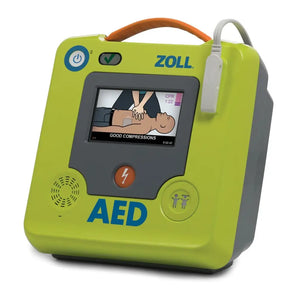
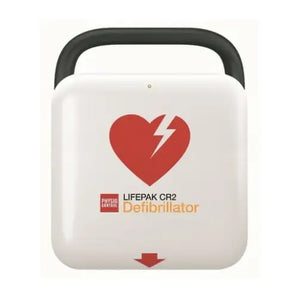
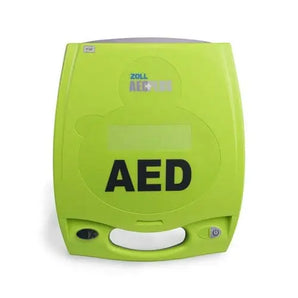
An AED automated defibrillator is a portable, user-friendly device designed to analyze heart rhythms and deliver electric shocks to restore normal cardiac function during sudden cardiac arrest (SCA). Unlike heart attacks, which are caused by blocked blood flow, sudden cardiac arrest occurs when the heart's electrical system malfunctions, causing it to stop beating effectively or quiver chaotically (ventricular fibrillation).
The statistics surrounding sudden cardiac arrest are sobering. In Canada alone, approximately 50,000 people experience out-of-hospital cardiac arrests annually, with survival rates remaining critically low at just 8-10% nationwide. However, when a e d s are readily available and used within the first few minutes of cardiac arrest, survival rates can increase dramatically to 70% or higher.

https://aed.ca/products/zoll-aed-3
The Devastating Consequences of AED-Deficient Emergency Plans
Organizations that fail to incorporate AED Canada protocols into their emergency response planning face several serious risks and potential consequences:
1. Irreversible Brain Damage and Death
Without immediate defibrillation, brain death begins within 4-6 minutes of cardiac arrest. For every minute that passes without defibrillation, the chances of survival decrease by 7-10%. Traditional emergency response that relies solely on calling 911 and waiting for paramedics often takes 8-12 minutes or longer—frequently too late to prevent permanent damage or death.
2. Legal and Financial Liability
Canadian provinces increasingly recognize the importance of AED accessibility. Organizations that fail to provide reasonable access to life-saving equipment may face:
- Potential lawsuits
- Regulatory violations and fines
- Increased insurance premiums
- Damage to reputation and public trust
- Workers' compensation claims
3. Workplace and Community Impact
The psychological trauma of witnessing a preventable death affects entire communities. Employees, students, and visitors may suffer from PTSD, decreased morale, and loss of confidence in the organization's commitment to safety.
4. Missed Opportunity for Intervention
Unlike other medical emergencies where professional training is essential, modern a_e_d devices are specifically designed for use by laypeople. They provide clear audio and visual instructions, automatically analyze heart rhythms, and only deliver shocks when appropriate. Failing to have these devices available means missing the opportunity for immediate, life-saving intervention.
The Proven Benefits of Including AEDs in Emergency Response Plans
Enhanced Survival Rates
Research consistently demonstrates that AED benefits extend far beyond simple device availability. Programs that combine AED and CPR training with strategic device placement see remarkable improvements in cardiac arrest outcomes. The American Heart Association reports that effective AED programs can achieve survival rates of 60% or higher when devices are used within the first 3-5 minutes of collapse.
Faster Response Times
Having aed aed units strategically placed throughout your facility means immediate access without waiting for emergency services. In rural or remote Canadian locations where ambulance response times may be extended, on-site AEDs become even more critical.
Increased Confidence and Preparedness
Staff trained in AED ca protocols report higher confidence in emergency situations and better overall preparedness. This training often motivates employees to become more engaged in workplace safety initiatives and emergency planning.
Comprehensive Emergency Response
Modern emergency response plans that include AEDs create a more robust safety network. When combined with CPR training, first aid certification, and clear emergency protocols, organizations develop a comprehensive approach to cardiac emergencies that significantly improves outcomes.
Essential Components of an AED-Integrated Emergency Response Plan
Strategic Device Placement
Effective AED programs require careful consideration of device placement. Units should be:
- Accessible within 1-2 minutes from any location
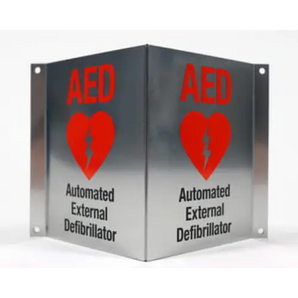
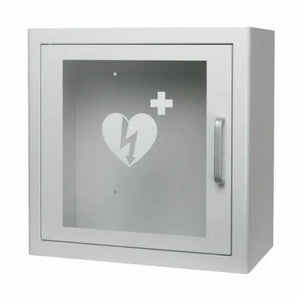
- Mounted in clearly visible, well-marked cabinets
- Located near high-traffic areas and potential risk zones
- Protected from extreme temperatures and moisture
- Equipped with backup batteries and regular maintenance schedules
Comprehensive Training Programs
While AED automated defibrillator units are designed for intuitive use, proper training maximizes effectiveness. Training should include:
- Recognition of cardiac arrest symptoms
- Proper device operation and electrode placement
- Integration of AED and CPR techniques
- Emergency communication protocols
- Regular refresher sessions and skill practice
Clear Communication Protocols
Emergency response plans must establish clear communication chains that include:
- Immediate activation of emergency services (911)
- Notification of on-site medical personnel
- Coordination with arriving paramedics
- Post-incident reporting and follow-up procedures
Regular Maintenance and Testing
A e d s require routine maintenance to ensure reliability during emergencies. Plans should include:
- Monthly battery and indicator checks
- Regular electrode pad replacement
- Software updates and calibration
- Documentation of all maintenance activities
- Replacement schedules for aging units
Overcoming Common Barriers to AED Implementation
Cost Concerns
While the initial investment in AED technology may seem significant, the cost of a single device ($2,000-$2,500) pales in comparison to potential legal settlements, insurance claims, or the immeasurable value of saving a life. Many organizations find that grants, tax incentives, and group purchasing programs make AED acquisition more affordable.
Training Requirements
Modern a_e_d devices are designed for minimal training requirements. Basic familiarization can be completed in 2-4 hours, and many organizations integrate AED training with existing first aid and CPR certification programs.
Maintenance Complexity
Today's AED units feature self-monitoring capabilities that alert users to maintenance needs. Simple monthly checks and annual professional servicing ensure reliable operation with minimal administrative burden.
Building a Culture of Cardiac Emergency Preparedness
Successful AED programs extend beyond device placement to create comprehensive cardiac emergency preparedness cultures. This involves:
Leadership Commitment
Executive leadership must champion AED ca initiatives and demonstrate organizational commitment to employee and visitor safety. This includes budgeting for devices, training, and maintenance while establishing clear policies and procedures.
Employee Engagement
Staff engagement in cardiac emergency preparedness creates a network of trained responders throughout the organization. When employees understand the importance of AED Canada protocols and feel confident in their abilities, they become valuable assets in emergency situations.
Community Integration
Organizations that integrate their AED programs with local emergency services, schools, and community groups create broader safety networks that benefit entire communities. Sharing resources, training opportunities, and best practices amplifies the impact of individual programs.
Continuous Improvement
Regular evaluation of AED programs ensures continued effectiveness. This includes analyzing response times, reviewing training effectiveness, updating procedures based on new research, and incorporating lessons learned from actual emergency situations.
The Future of Emergency Response: AEDs as Standard Equipment
As awareness of sudden cardiac arrest grows and AED technology continues to improve, these devices are becoming standard safety equipment alongside fire extinguishers and first aid supplies. Progressive organizations recognize that comprehensive emergency response plans must address the leading cause of preventable death in North America.
The question is no longer whether your organization needs an AED—it's whether you can afford not to have one. Every day of delay represents another opportunity for a preventable tragedy. The time to act is now.
Take Action: Implementing Your AED Emergency Response Plan
Don't wait for an emergency to reveal gaps in your preparedness. Contact AED.ca today to learn how you can integrate life-saving AED technology into your emergency response plan. Our experts can help you:
- Assess your facility's specific needs and risk factors
- Select appropriate AED models and accessories
- Develop comprehensive training programs
- Create maintenance schedules and protocols
- Establish partnerships with local emergency services
Remember: In cardiac emergencies, you don't get a second chance to make a first impression. Make sure your emergency response plan includes the tools and training necessary to save lives when it matters most.
For more information about AED programs, training opportunities, and device selection, visit AED.ca today. Your next emergency response could be the difference between tragedy and triumph.