Protecting Patients and Staff with Automated External Defibrillators
When patients visit dental offices, they expect routine care in a safe environment. However, medical emergencies can occur anywhere, and dental practices are no exception. This is why every dental office should consider investing in an automated external defibrillator (AED) – a life-saving device that can mean the difference between life and death during a cardiac emergency.
The Reality of Cardiac Emergencies in Dental Settings
Sudden cardiac arrest can strike anyone, anywhere, at any time. In Canada, approximately 50,000 people experience out-of-hospital cardiac arrest annually. Dental offices, which serve patients of all ages and health conditions, are not immune to these emergencies. The stress of dental procedures, pre-existing heart conditions, and medication interactions can all contribute to cardiac events.
AED machines are designed to detect life-threatening heart rhythms and deliver electrical shocks when necessary to restore normal heart function. When someone experiences sudden cardiac arrest, every second counts – and having an AED device readily available can dramatically improve survival rates.
Why Dental Offices Are High-Priority Locations for AEDs
Patient Demographics and Risk Factors
Dental offices treat a diverse patient population, including:
- Elderly patients with higher cardiac risk
- Individuals with pre-existing heart conditions
- Patients taking multiple medications
- Those experiencing dental anxiety and stress
Procedural Stress Factors
Dental procedures can trigger cardiac events through:
- Physical and emotional stress
- Pain and anxiety responses
- Reactions to local anesthetics containing epinephrine
- Prolonged positioning during complex procedures
Isolated Emergency Response
Unlike hospitals, dental offices often operate with limited medical emergency resources. Having an AED defibrillator on-site ensures immediate response capability while waiting for emergency medical services to arrive.
The Life-Saving Impact of AED Technology
Automated external defibrillators are sophisticated yet user-friendly devices that can be operated by trained dental staff. Modern AED units feature:
- Automated analysis of heart rhythm
- Audio and visual prompts for proper use
- Shock delivery only when medically appropriate
- CPR coaching to guide users through life-saving procedures
Research consistently shows that AED use within the first few minutes of cardiac arrest can improve survival rates from less than 5% to over 70%.
AED Training for Dental Teams
Investing in an AED machine is only the first step. Proper AED training for dental office staff is crucial for effective emergency response. Comprehensive training programs should cover:
- Recognition of cardiac arrest symptoms
- Proper AED operation and placement
- Integration of CPR and AED protocols
- Emergency action plan implementation
- Regular practice scenarios and skill maintenance
Many AED suppliers offer specialized training programs, ensuring dental teams feel confident and prepared to respond to emergencies.
Choosing the Right AED for Your Dental Practice
When selecting an AED for sale for your dental office, consider these essential factors:
Key Features to Evaluate
- Ease of use with clear audio and visual instructions
- Reliability with proven track record in medical settings
- Battery life and low-maintenance requirements
- Durability for long-term practice use
- Pediatric capabilities if treating children
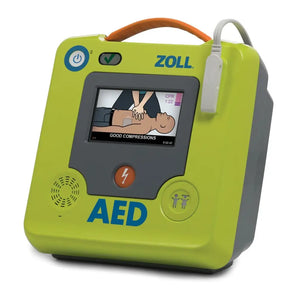
Recommended AED For Dental Offices

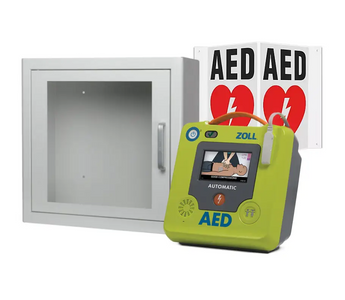
Here are a few of the reasons this AED is recommended:
-
Ability to switch between adult and child rescue at the press of a button - only one set of pads needed
-
Real time Audio & Visual CPR feedback - improves positive outcomes by 50%
-
Full colour screen provides visual instructions in addition to audible instructions
-
Pads and batteries both last 5 years - lowest cost of ownership
For more information go to:
https://aed.ca/products/zoll-aed-3
Legal and Regulatory Considerations
While AED requirements vary by province, having an AED demonstrates a commitment to patient safety and emergency preparedness. Many dental regulatory bodies encourage or recommend AED availability in dental practices. Additionally, Good Samaritan laws typically protect trained individuals who use AEDs in emergency situations.
The Business Case for AED Investment
Beyond the moral imperative to protect patients and staff, AEDs offer tangible benefits:
Risk Management
- Reduced liability exposure
- Enhanced emergency preparedness
- Demonstration of safety commitment
Practice Reputation
- Patient confidence in safety measures
- Professional credibility enhancement
- Competitive advantage in patient acquisition
Staff Confidence
- Improved emergency response capabilities
- Reduced anxiety during medical emergencies
- Enhanced team cohesion through shared training
AED Maintenance and Ongoing Support
AED maintenance is typically minimal but essential:
- Regular battery checks and replacement
- Electrode pad expiration monitoring
- Software updates when available
- Periodic functionality testing
Most AED manufacturers provide maintenance schedules and support services to ensure devices remain ready for use.
Making AED Implementation Practical
Cost Considerations
AED prices have become increasingly affordable, with quality units available from $2,000 to $3,000. When considering the potential to save a life, this represents exceptional value. Many practices find the investment easily justifiable through their risk management and patient safety budgets.
Installation and Placement
AED installation should prioritize:
- Easily accessible location
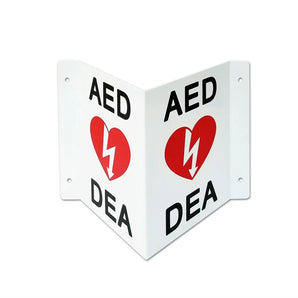
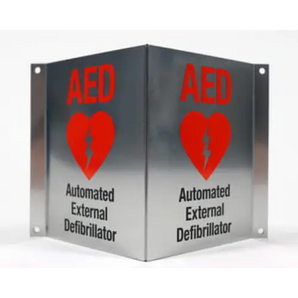
- Clear visibility and signage
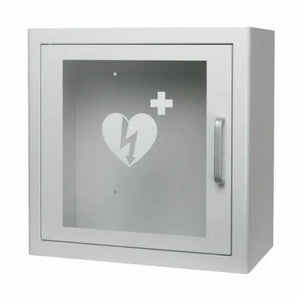
- Protection from damage
- Staff familiarity with placement
Emergency Action Plan Integration
An AED is most effective as part of a comprehensive emergency response plan that includes:
- Recognition of cardiac arrest
- Activation of emergency medical services
- CPR initiation while preparing the AED
- AED application according to device prompts
- Continued care until professional help arrives
Conclusion: Investing in Patient Safety
Every dental office should seriously consider adding an automated external defibrillator to their emergency equipment. The combination of user-friendly AED technology, comprehensive staff training, and strategic placement creates a safety net that could save the life of a patient, staff member, or visitor.
The question isn't whether you can afford to invest in an AED – it's whether you can afford not to. When faced with a cardiac emergency, having an AED machine readily available transforms your dental office from a place where tragedy might occur into a place where lives are saved.
Contact AED.ca today to explore options for your dental practice. Your patients, staff, and community will benefit from your commitment to emergency preparedness and life-saving technology.
For more information about AED solutions for dental offices, contact AED.ca. They are Canada's AED Company.