
AEDs Save Lives
When someone experiences sudden cardiac arrest, every second counts. In Canada, approximately 50,000 cardiac arrests occur outside of hospitals each year, and survival rates remain devastatingly low at around 8-10%. However, when an Automated External Defibrillator (AED) is used within the first few minutes of cardiac arrest, survival rates can increase dramatically to 75% or higher.
Whether you're in Toronto, Vancouver, Montreal, or any other Canadian community, having immediate access to an AED can mean the difference between life and death. Here's why every workplace, public space, and community in Canada should have an AED readily available.
Understanding Sudden Cardiac Arrest in Canada
Sudden cardiac arrest (SCA) is not the same as a heart attack. It occurs when the heart suddenly stops beating effectively due to an electrical malfunction. Without immediate intervention, brain damage begins within 4-6 minutes, and death can occur within 8-10 minutes.
The harsh reality is that emergency medical services (EMS) across Canada, despite their best efforts, cannot always reach victims in time. Average EMS response times vary significantly across the country, from under 9 minutes in some urban areas to 15 minutes or longer in rural and remote communities. This gap is where AEDs become absolutely critical.
The Case for AEDs: Proven Life-Saving Technology
AEDs are sophisticated yet remarkably simple devices designed for use by anyone, even those without medical training. Here's why they're so effective:
Immediate Intervention: For every minute that passes without defibrillation, survival rates decrease by 7-10%. An AED available on-site can deliver a shock within 1-2 minutes, compared to waiting 8-15 minutes for paramedics.
User-Friendly Design: Modern AEDs provide clear voice instructions, visual prompts, and automated analysis. They will only deliver a shock if one is needed, making them safe for bystanders to use.
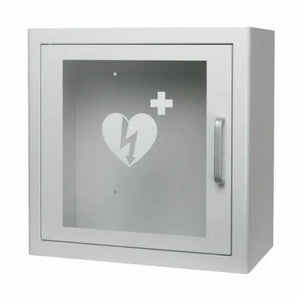
Canadian Weather Resilience: Many AED models are designed to withstand Canada's extreme temperature variations when properly housed, making them suitable for our diverse climate from coast to coast to coast.
Legal Protection: Good Samaritan laws exist across all Canadian provinces and territories, protecting individuals who use an AED in good faith during an emergency.

Where AEDs Are Most Needed in Canada
Workplaces
Canadian employers have a responsibility to provide a safe work environment. For businesses with more than 25 employees, or those in industries with higher cardiac risk factors, an AED should be considered essential safety equipment. Construction sites, manufacturing facilities, offices, and retail locations across the country are increasingly recognizing this need.
Schools and Universities
Young athletes are particularly vulnerable to sudden cardiac arrest due to undiagnosed heart conditions. Schools, colleges, and universities from coast to coast should have AEDs in gymnasiums, sports fields, and main buildings. Several provinces have implemented legislation or recommendations regarding AEDs in schools.
Recreation and Fitness Centers
Gyms, arenas, community centers, and sports facilities see higher rates of cardiac events due to physical exertion. These locations in every Canadian city should be equipped with easily accessible AEDs.
Public Spaces
Shopping malls, airports, transit stations, government buildings, and places of worship serve thousands of people daily. Major hubs in cities like Calgary, Edmonton, Ottawa, and Winnipeg have already installed AEDs in many public locations, setting an example for smaller communities.
Residential Buildings
High-rise condominiums and apartment buildings, retirement communities, and gated neighborhoods increasingly include AEDs as part of their emergency preparedness plans, particularly in densely populated urban areas. Don't forget homes as well as 70% of cardiac arrests occur at home.
AED Access Across Major Canadian Cities
Communities across Canada are at different stages of AED accessibility. Here's a look at why AEDs matter in every major Canadian city:
Toronto, Ontario: As Canada's largest city with nearly 3 million residents, Toronto has made significant strides in AED accessibility in public spaces, but gaps remain in workplaces and residential areas.
Montreal, Quebec: With its vibrant urban core and aging infrastructure in some areas, Montreal's diverse neighborhoods benefit from increased AED placement in both public and private sectors.
Vancouver, British Columbia: Known for its active lifestyle population, Vancouver's gyms, trails, and outdoor spaces particularly benefit from AED accessibility.
Calgary, Alberta: Calgary's sprawling geography and extreme weather variations make strategic AED placement crucial, especially in commercial and industrial zones.
Edmonton, Alberta: As Alberta's capital, Edmonton serves a large metropolitan area where AED access in government buildings, universities, and public facilities is essential.
Ottawa, Ontario: Canada's capital city hosts millions of visitors annually at government buildings and national institutions, making comprehensive AED coverage vital.
Winnipeg, Manitoba: With cold winters and a spread-out urban area, Winnipeg's community centers, schools, and public buildings increasingly prioritize AED installation.
Quebec City, Quebec: This historic city's tourist areas, old town, and modern districts all benefit from accessible AEDs for residents and visitors alike.
Hamilton, Ontario: As an industrial city with an aging population, Hamilton's workplaces and community spaces particularly benefit from AED programs.
Kitchener-Waterloo, Ontario: This growing tech hub with young professionals and university populations needs AEDs in innovation centers, campuses, and coworking spaces.
London, Ontario: Home to major hospitals and Western University, London sets an example with AED accessibility in medical and educational facilities.
Victoria, British Columbia: British Columbia's capital and its tourism industry make AED accessibility important in hotels, attractions, and government buildings.
Halifax, Nova Scotia: As Atlantic Canada's largest city, Halifax's waterfront, universities, and downtown core benefit from strategic AED placement.
Oshawa, Ontario: This automotive industry hub requires AEDs in manufacturing facilities, offices, and growing residential communities.
Windsor, Ontario: Border city with significant cross-traffic and industrial presence where workplace AEDs are increasingly important.
Saskatoon, Saskatchewan: Saskatchewan's largest city serves a broad region, making AEDs crucial in healthcare facilities, universities, and community centers.
Regina, Saskatchewan: As Saskatchewan's capital, Regina's government buildings, sports complexes, and community facilities benefit from AED programs.
St. John's, Newfoundland and Labrador: Atlantic Canada's easternmost city, where weather and geography make immediate emergency response challenging.
Barrie, Ontario: This rapidly growing city north of Toronto serves both urban and cottage country populations requiring comprehensive AED coverage.
Kelowna, British Columbia: Okanagan's largest city with significant tourism and retirement populations where AEDs serve diverse age groups.
Abbotsford, British Columbia: Growing Fraser Valley community where AEDs in agricultural, industrial, and residential areas are increasingly important.
Kingston, Ontario: Historic city and university town where AEDs benefit students, military personnel, and correctional facility staff.
Sudbury, Ontario: Northern Ontario's mining hub where remote work sites and challenging geography make immediate AED access critical.
Sherbrooke, Quebec: Eastern Townships' largest city where AEDs serve French-speaking communities in educational and public facilities.
St. Catharines, Ontario: Niagara region's largest city with tourism and retirement populations benefiting from accessible AEDs.
Guelph, Ontario: University city and agricultural center where AEDs serve students, researchers, and industry workers.
Thunder Bay, Ontario: Northwestern Ontario's regional hub where vast distances make on-site AEDs absolutely essential.
Cambridge, Ontario: Growing manufacturing and technology center where workplace AEDs are increasingly prioritized.
Whitby, Ontario: Durham region community with growing population requiring AEDs in new developments and facilities.
Coquitlam, British Columbia: Metro Vancouver community where suburban sprawl makes strategic AED placement important.
Vaughan, Ontario: Major commercial and industrial center north of Toronto with significant workplace AED needs.
Burlington, Ontario: Prosperous lakeside city where AEDs serve business districts, marinas, and recreational facilities.
Burnaby, British Columbia: Dense urban area with major commercial centers requiring comprehensive AED coverage.
Laval, Quebec: Montreal's northern neighbor where suburban communities and commercial areas need accessible AEDs.
Richmond, British Columbia: Diverse city with significant Asian population where multilingual AED interfaces are beneficial.
Markham, Ontario: High-tech hub and diverse community where modern facilities increasingly include AEDs.
Mississauga, Ontario: Major city with extensive commercial, industrial, and residential areas requiring widespread AED access.
Brampton, Ontario: Rapidly growing diverse city where new developments should include AED infrastructure.
Longueuil, Quebec: South shore Montreal community where French-language AED accessibility is important.
Gatineau, Quebec: National capital region's Quebec side where federal facilities and public spaces have good AED coverage.
Saguenay, Quebec: Regional center where industrial facilities and public institutions benefit from AED programs.
Lévis, Quebec: Quebec City's south shore community where AEDs serve residential and commercial populations.
Trois-Rivières, Quebec: Historic Quebec city where aging infrastructure and population benefit from AED accessibility.
Moncton, New Brunswick: Maritime hub where AEDs in commercial centers and healthcare facilities serve regional populations.
Saint John, New Brunswick: Port city with industrial presence where workplace AEDs are increasingly recognized as essential.
Fredericton, New Brunswick: Provincial capital where government buildings and universities lead in AED accessibility.
Charlottetown, Prince Edward Island: Island capital where tourism and government sectors benefit from AED programs.
Dartmouth, Nova Scotia: Halifax's twin city across the harbor where community centers and workplaces need AEDs.
Sydney, Nova Scotia: Cape Breton's largest community where AEDs serve regional healthcare and public facilities.
Yellowknife, Northwest Territories: Canada's northern capital where extreme remoteness makes on-site AEDs absolutely critical.
Whitehorse, Yukon: Territorial capital where challenging access requires comprehensive local AED availability.
Iqaluit, Nunavut: Arctic community where vast distances to advanced medical care make AEDs life-saving equipment.
The Cost of Not Having an AED
While AEDs represent an investment (typically $1,500-$3,000 CAD for the device plus housing and training), the cost of not having one is immeasurable. Beyond the tragic loss of life, businesses may face:
- Liability concerns if an employee or customer suffers cardiac arrest without available emergency equipment
- Decreased employee confidence in workplace safety
- Potential regulatory scrutiny in certain industries
- The emotional and psychological impact on colleagues and community members
Canadian Regulations and Recommendations
While not universally mandated across Canada, several provinces have introduced legislation or strong recommendations regarding AED placement. The Heart and Stroke Foundation of Canada recommends AEDs in locations where cardiac arrest is likely to occur or where immediate emergency response may be delayed.
Provincial occupational health and safety regulations increasingly recognize AEDs as important safety equipment, particularly in workplaces with identified cardiac risks.
Implementing an AED Program
Installing an AED is just the first step. A comprehensive program should include:
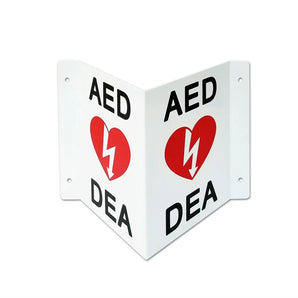
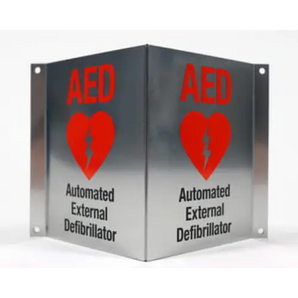
Strategic Placement: AEDs should be located in visible, accessible locations with clear signage, retrievable within 90 seconds from anywhere in the facility.
Staff Training: While AEDs are designed for untrained users, basic CPR and AED training significantly improves response effectiveness and confidence.
Maintenance: Regular checks to ensure battery life, electrode pad expiration dates, and overall functionality.
Registration: Many provinces maintain AED registries that allow emergency services to know where devices are located.
Emergency Action Plan: Integration with existing emergency response procedures and clear protocols for activation.
The Growing Movement
Across Canada, from the largest cities to smallest towns, communities are recognizing the importance of public access defibrillation. Shopping centers in Surrey, arenas in Brampton, schools in Halifax, and office buildings in Calgary are installing AEDs as part of their commitment to public safety.
Organizations like the Heart and Stroke Foundation, Canadian Red Cross, and St. John Ambulance actively promote AED awareness and provide training programs. Many municipalities offer grants or cost-sharing programs to help organizations acquire AEDs.
Conclusion: An Investment in Life
An AED is more than emergency equipment—it's a commitment to the safety and wellbeing of everyone who enters your space. Whether you're managing a business in Toronto, running a community center in Brandon, operating a school in Nanaimo, or overseeing a workplace in Fort McMurray, the question isn't whether you can afford an AED—it's whether you can afford not to have one.
Sudden cardiac arrest doesn't discriminate by age, fitness level, or geography. It can happen to anyone, anywhere, at any time. In those critical moments, an AED can be the difference between a tragic loss and a life saved.
Every major city and small town across Canada—from St. John's to Victoria, from Windsor to Iqaluit—deserves comprehensive AED coverage. The technology exists. The training is accessible. The only missing piece is the collective will to make AEDs as common as fire extinguishers in Canadian workplaces and public spaces.
The life you save with an AED might be a colleague, a customer, a student, a neighbor, or someone you love. That's why every location in Canada should have one.
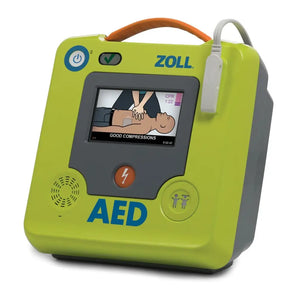
To purchase an AED go to https://aed.ca/products/zoll-aed-3
For information on AEDs go to AED.ca. Canada's AED Company.