A Practical Guide for Health & Safety Leaders
For health and safety professionals, the responsibility is clear: identify risks, mitigate them, and protect lives.
One of the most overlooked — yet highest-impact — risks in any workplace is sudden cardiac arrest (SCA).
Unlike many workplace hazards, cardiac arrest:
- Happens without warning
- Can affect anyone — employee, customer, contractor, or visitor
- Requires immediate intervention within minutes
This is where Automated External Defibrillators (AEDs) become essential.
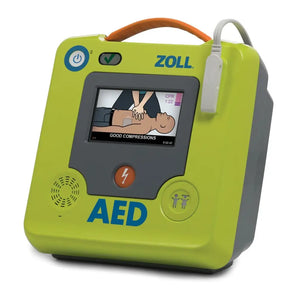
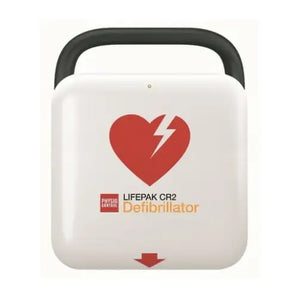
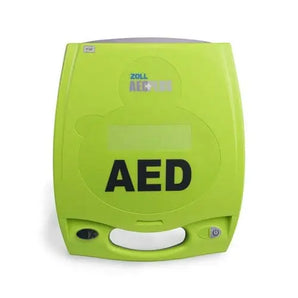
👉 If you're evaluating options, explore our full range of AEDs for sale in Canada
to find the right fit for your workplace.
The Reality: Cardiac Arrest in Canada
Sudden cardiac arrest is not rare — it is a leading cause of death in Canada.
- Approximately 50,000 cardiac arrests occur annually in Canada
- Survival rates are only about 8–12% without immediate intervention
- Most incidents occur outside hospitals — including workplaces and public settings
👉 Learn more in our detailed breakdown of AED and CPR statistics in Canada.
Time is Everything: Why AEDs Save Lives
When a cardiac arrest occurs, the heart stops beating effectively. The only effective treatment is immediate CPR and defibrillation.
⏱ The critical timeline:
- Brain damage can begin within minutes
- Survival decreases by 7–10% for every minute without defibrillation
- Emergency services often cannot arrive fast enough
⚡ The impact of AEDs:
- Survival can increase to 40–70% when an AED is used within minutes
- Early defibrillation can increase survival rates dramatically
- AED use can double or triple survival chances
👉 Not sure if training is required? Read: Can I use an AED if I’m not trained?
Why Workplaces Are High-Risk Environments
Most people assume cardiac arrest happens in hospitals — but that’s not reality.
- The majority occur in homes, workplaces, and public spaces
- Many workplaces involve:
- Physical exertion (construction, manufacturing)
- Stress (corporate environments)
- Large numbers of people (retail, offices, events)
The Business Case for AEDs
For health and safety leaders, the case for AEDs goes beyond safety — it’s also about risk management, compliance, and leadership.
1. Duty of Care & Liability Protection
Employers have a responsibility to:
- Provide a safe working environment
- Take reasonable steps to mitigate foreseeable risks
👉 Having an AED demonstrates proactive due diligence.
2. Workplace Safety Culture
AEDs demonstrate:
- A commitment to employee wellbeing
- Alignment with best-in-class safety programs
- Leadership in proactive risk prevention
3. Cost vs. Impact
AEDs are one of the highest ROI safety investments:
- Cost of an AED: typically $2,00–$2,500
- Potential outcome: saving a life
4. Increasing Expectations
More organizations are adopting AED programs:
- Schools
- Gyms and recreation facilities
- Offices and commercial buildings
- Construction and industrial sites
Why an AED Alone Is Not Enough
Purchasing an AED is only the first step.
A non-maintained AED can fail when needed most — creating serious liability.
👉 Avoid this risk with a full-service AED maintenance plan.
The Importance of an AED Maintenance Plan
A professional AED maintenance program ensures:
✅ Always Rescue-Ready
- Pads and batteries replaced before expiry
- Device tested and inspected regularly
✅ Compliance & Documentation
- Inspection records maintained
- Audit-ready documentation for safety programs
✅ Reduced Risk & Liability
- Confidence the device will work in an emergency
- Demonstrates due diligence
✅ Hassle-Free Management
- No internal tracking required
- Automatic reminders and servicing
👉 Learn what’s included in our AED maintenance plans.
How to Justify AEDs Internally (For Safety Managers)
When presenting to leadership, focus on:
1. Risk Reality
- “50,000 cardiac arrests per year in Canada”
- “Less than 10% survival without intervention”
2. Time Sensitivity
- “Survival drops 10% per minute”
3. Proven Impact
- “AED use can increase survival to 70%+”
4. Business Risk
- Duty of care
- Liability exposure
5. Cost vs Outcome
- Low cost relative to potential life saved
Why Choose AED.ca
At AED.ca, we help organizations across Canada:
- Select the right AED for their environment
- Implement compliant AED programs
- Provide full-service maintenance plans
- Offer affordable options, including refurbished AEDs
- Support charities and community AED access
👉 Start here: Browse AEDs or Contact our team for expert guidance.
Conclusion
Sudden cardiac arrest is:
- Common
- Unpredictable
- Time-critical
AEDs are:
- Simple to use
- Highly effective
- One of the most impactful safety investments available
👉 An AED is not just equipment — it is a critical part of your workplace emergency response plan.
About the Author
Martin Andrews
President, AED.ca
Martin Andrews is the President of AED.ca, a leading Canadian provider of automated external defibrillators and AED maintenance programs. He is dedicated to improving cardiac arrest survival rates across Canada by making AEDs more accessible, affordable, and rescue-ready.