A Life-Saving Investment for Maritime Safety
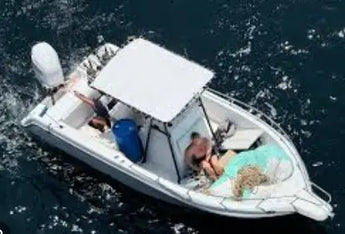
When you're out on the water, help can be miles away. In medical emergencies, especially cardiac events, every second counts. That's why having an Automated External Defibrillator (AED) on your boat isn't just a smart safety measure—it could be the difference between life and death.
The Maritime Emergency Reality
Boating accidents and medical emergencies happen more frequently than many realize. According to marine safety statistics, cardiac events are among the leading causes of fatalities on recreational vessels. When someone experiences sudden cardiac arrest on a boat, the typical response time for emergency medical services can extend to 30 minutes or more, far beyond the critical window for survival.
An AED machine can restore a normal heart rhythm within minutes of cardiac arrest, dramatically improving survival chances. These portable devices are designed to be used by anyone, regardless of medical training, making them perfect for marine environments where professional medical help isn't immediately available.
Understanding AED Technology for Boaters
An AED defibrillator is a sophisticated yet user-friendly device that analyzes heart rhythms and delivers electric shocks when necessary to restore normal cardiac function. Modern AED units are weatherproof, compact, and specifically designed for marine use.
The AED defib technology has advanced significantly, with newer models featuring:
- Voice-guided instructions in multiple languages
- Visual prompts for proper pad placement
- Automatic heart rhythm analysis
- Weather-resistant construction suitable for marine environments
- Long-lasting batteries with extended shelf life
Legal Protection: Good Samaritan Laws and AED Use
Many boat owners worry about liability when using emergency medical equipment. Fortunately, Good Samaritan law provisions protect individuals who provide emergency assistance in good faith.
Good Samaritan law Ontario and similar legislation across Canada provide legal protection for those who use AEDs in emergency situations. The Good Samaritan statute generally protects good citizen law adherence, meaning that if you're trying to help someone in distress using an AED, you're protected from Good Samaritan liability.
It's important to understand that Good Samaritan lawsuit concerns are largely unfounded when AEDs are used properly. These laws specifically encourage bystander intervention in medical emergencies, recognizing that immediate action saves lives.
Choosing the Right AED for Your Vessel
When selecting an a_e_d for marine use, consider these essential factors:
Durability and Weather Resistance
Marine environments demand equipment that can withstand saltwater, humidity, and temperature fluctuations. Look for AEDs with high IP (Ingress Protection) ratings that can handle marine conditions.
Battery Life and Maintenance
Choose AED units with long-lasting batteries and minimal maintenance requirements. Some models offer batteries that last up to seven years, reducing the need for frequent replacements during boating season.
Size and Portability
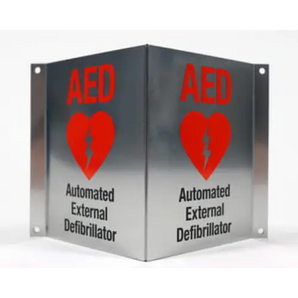
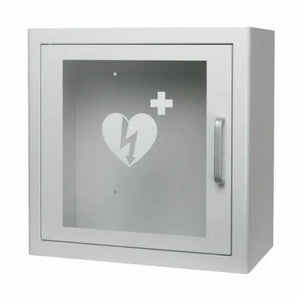
Space is often limited on boats, so compact AED designs are preferable. However, ensure the unit is still easily accessible and visible to all crew members.
AED Pricing and Investment Considerations
AED price ranges vary significantly based on features and capabilities. A quality marine-grade AED defibrillator price typically ranges from $1,500 to $3,000 CAD. While this might seem like a substantial investment, consider the cost relative to other marine safety equipment and the invaluable nature of human life.
Factors affecting AED ca pricing include:
- Brand reputation and reliability
- Weather resistance ratings
- Battery life and replacement costs
- Training materials and support
- Warranty coverage
Choosing the Right AED for Your Needs
When considering AED defibrillator cost and features, several factors should guide your decision:
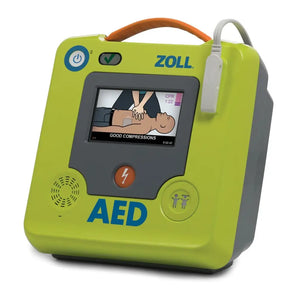
Reliability and Durability The Zoll AED 3 stands out as an excellent choice for many organizations. Known for its reliable performance, this model features Real CPR Help technology that provides real-time feedback on compression depth and rate during CPR. Its long battery life and durable design make it ideal for various environments.
Ease of Use Modern AEDs are designed for use by individuals with minimal training. Clear visual and audio prompts guide users through each step of the resuscitation process, making it possible for anyone to potentially save a life.
Maintenance Requirements Consider ongoing costs such as automated external defibrillator pads replacement, battery changes, and regular maintenance checks. Quality AEDs typically require minimal maintenance but should be inspected regularly to ensure readiness.
Recommended AED

Here are a few of the reasons this AED is recommended:
-
Ability to switch between adult and child rescue at the press of a button - only one set of pads needed
-
Real time Audio & Visual CPR feedback - improves positive outcomes by 50%
-
Full colour screen provides visual instructions in addition to audible instructions
-
Pads and batteries both last 5 years - lowest cost of ownership
For more information go to:
https://aed.ca/products/zoll-aed-3
Why Choose AED.ca for Your Marine AED Needs
AED.ca stands out as Canada's premier destination for defibrillator equipment, offering several advantages for boat owners:
Extensive Product Knowledge: Their team understands the unique requirements of marine environments and can recommend the most suitable AED models for your specific vessel type and usage patterns.
Comprehensive Support: From initial selection through training and ongoing maintenance, AED.ca provides complete support to ensure your equipment remains ready when needed.
Competitive Pricing: As specialists in the field, they offer competitive AED AED pricing with transparent costs and no hidden fees.
Training Resources: Proper AED training is crucial for effective emergency response. AED.ca provides comprehensive training materials and programs to ensure you're confident in using your equipment.
Canadian Focus: Understanding Canadian regulations, weather conditions, and Good Samaritan law provisions, AED.ca offers expertise tailored to Canadian boaters.
The Broader Impact of Marine AED Adoption
When more boats carry AEDs, the entire boating community becomes safer. Your vessel could potentially assist other boaters in distress, extending the safety net across waterways. This community approach to marine safety reflects the true spirit of the good citizen law and maritime tradition of mutual assistance.
Conclusion: Making the Life-Saving Choice
Installing an AED on your boat represents a commitment to safety that extends beyond regulatory compliance. It's an investment in the lives of your passengers, crew, and fellow boaters. With Good Samaritan law protection removing liability concerns and companies like AED.ca providing expert guidance and support, there's no reason to delay this critical safety upgrade.
The question isn't whether you can afford to install an AED on your boat—it's whether you can afford not to. In maritime emergencies, when professional help is far away, having an AED could mean the difference between a medical emergency and a tragedy.
Contact AED.ca today to explore marine AED options and take the first step toward comprehensive boat safety. Your investment in an AED machine today could save a life tomorrow.
For expert guidance on selecting the right AED for your vessel, visit AED.ca. Don't wait for an emergency to wish you had taken action.