AEDs Need to be in Every Building
When it comes to workplace safety and emergency preparedness, many organizations invest in First Aid and CPR training for their staff. While this education is invaluable, there's a critical gap that training alone cannot fill: without an actual AED (Automated External Defibrillator) on-site, even the most well-trained responder cannot save someone experiencing sudden cardiac arrest.
Understanding the Reality of Sudden Cardiac Arrest
Sudden cardiac arrest is a leading cause of death in Canada, claiming thousands of lives each year. When someone's heart stops beating effectively, every second counts. The harsh truth is that knowing how to use an a_e_d means nothing if you don't actually have one available when an emergency strikes.
During cardiac arrest, the heart needs an electrical shock to restore its normal rhythm. CPR alone, while crucial for maintaining blood flow, cannot restart a stopped heart. Only defibrillation can do that. This is why the combination of aed and cpr creates a life-saving system—but both components must be present.
The Time-Critical Nature of Cardiac Emergencies
Brain death begins within 4-6 minutes of cardiac arrest. Waiting for emergency services to arrive with their equipment often takes 8-12 minutes or longer, depending on your location. By the time paramedics arrive, the victim's chances of survival drop by approximately 10% for every minute that passes without defibrillation.
Having a e d s immediately accessible on your premises can mean the difference between life and death. Even if your staff knows exactly what to do, they cannot perform defibrillation without the actual device.
The AED Benefits That Training Alone Cannot Provide
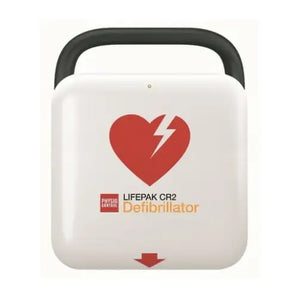
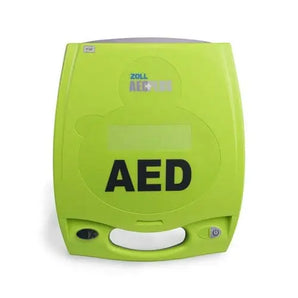
Investing in an aed automated defibrillator for your facility offers tangible benefits that training simply cannot replicate:
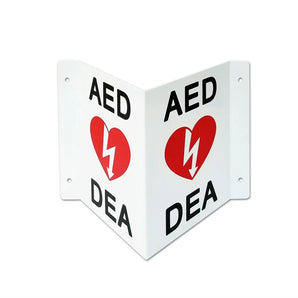
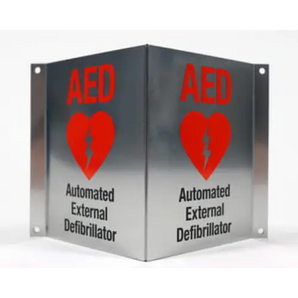
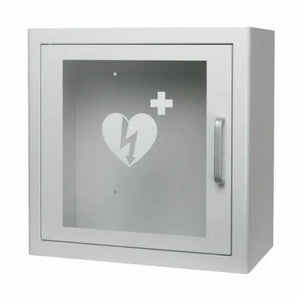
Immediate Access: When seconds matter, having an AED mounted on your wall eliminates the wait time for emergency services to arrive with equipment.
Increased Survival Rates: Studies show that immediate defibrillation can increase survival rates from cardiac arrest to over 70%, compared to less than 5% when defibrillation is delayed.
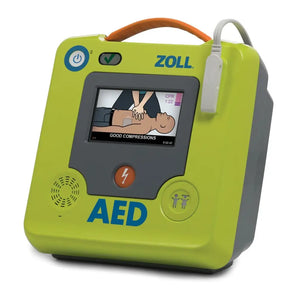
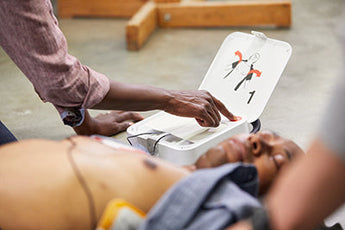
User-Friendly Technology: Modern AED aed devices are designed to guide even minimally trained users through the process with clear voice prompts and visual instructions.
Comprehensive Protection: Training teaches the skill; equipment provides the tool. You need both to create a truly safe environment.
Addressing Common Concerns: AED Cost vs. Value
Many organizations hesitate when considering the aed cost, viewing it as an expense rather than an investment. However, when weighed against the value of a human life and the potential liability of not having life-saving equipment available, the investment becomes clear.
In aed ca (Canada), the cost of an AED typically ranges from $2,000 to $3,000, depending on the model and features. When you consider that this one-time investment (with minimal maintenance costs) could save multiple lives over its 7-10 year lifespan, the value proposition becomes undeniable.
Furthermore, having an aed defib on-site demonstrates your organization's commitment to safety, can reduce liability, and may even lower insurance premiums in some cases.
Why AED Canada Facilities Need On-Site Equipment
For organizations across aed canada, the question shouldn't be whether you can afford an AED—it should be whether you can afford to be without one. Canadian workplaces, community centers, schools, and residential buildings have a responsibility to provide reasonable safety measures for occupants.
Training staff in CPR and AED use fulfills only half of that responsibility. Without the actual equipment, that training becomes theoretical knowledge that cannot be applied when it matters most.
Making the Right Choice for Your Organization
When you're ready to invest in life-saving equipment, choosing a reputable supplier is essential. AED.ca offers a comprehensive selection of high-quality automated external defibrillators suitable for various environments, from small offices to large public facilities. They provide expert guidance on selecting the right model for your needs, along with ongoing support and maintenance services.
The Bottom Line
First Aid and CPR training empowers your team with knowledge and skills. But knowledge without tools is powerless in the face of sudden cardiac arrest. An AED is not optional equipment for a well-prepared facility—it's an essential life-saving device that transforms training into action and bystanders into lifesavers.
Don't let your emergency preparedness plan have a fatal gap. Invest in both training and equipment, because when someone's life hangs in the balance, you need more than just the knowledge of what to do—you need the tools to do it.
Protect your workplace, community, or building with the right equipment. Visit AED.ca today to explore their range of automated external defibrillators and ensure you're truly prepared for cardiac emergencies.