
AEDs Do Not Last Forever
When it comes to life-saving medical equipment, an automated external defibrillator (AED) stands as one of the most crucial devices in emergency response. However, many organizations and individuals fail to recognize that AEDs have a limited lifespan and require regular upgrades to maintain their life-saving effectiveness. Understanding when and why to upgrade your AED is very important.
Understanding AED Lifespan: How Long Do AEDs Last?
The longevity of an automated external defibrillator depends on several factors, including the manufacturer, model, usage frequency, and maintenance practices. Most AEDs are designed to last between 5 to 10 years, though this can vary significantly based on the specific device and environmental conditions.
The battery life of an AED typically ranges from 2 to 5 years, depending on the model and usage. Some newer automatic external defibrillator models feature longer-lasting batteries, but even these require eventual replacement. Additionally, electrode pads have expiration dates, usually lasting 2 to 5 years from the manufacturing date.
Environmental factors play a crucial role in determining how long your AED will remain functional. Extreme temperatures, humidity, and exposure to dust or moisture can significantly reduce the lifespan of these critical devices. Regular maintenance checks and proper storage are essential for maximizing the operational life of your AED.
Why Upgrading Your AED Is Essential
Technology in emergency medical equipment advances rapidly, and AEDs are no exception. Newer models offer improved features such as enhanced voice prompts, better CPR guidance, faster analysis times, and more reliable shock delivery systems. These improvements can dramatically increase survival rates in cardiac emergencies.
Outdated AEDs may lack the latest safety features and protocols recommended by medical professionals. Modern automatic external defibrillator units often include real-time CPR feedback, which guides rescuers through proper chest compression techniques, significantly improving the chances of successful resuscitation.
Reliability concerns with aging equipment cannot be overlooked. As AEDs age, their internal components may deteriorate, potentially leading to device failure during critical moments. Regular upgrades ensure that your life-saving equipment functions optimally when every second counts.
Cost Considerations: Understanding AED Investment
Many organizations hesitate to upgrade their AEDs due to cost concerns, but understanding the true cost of an AED reveals that this investment is both reasonable and essential. The cost of AED units varies significantly based on features, brand, and capabilities.
When evaluating how much does an AED cost, consider that basic models typically start around $2,200 to $2,500, while more advanced units can range from $2,500 to $3,500 or more. The defib price may seem substantial initially, but when calculated over the device's lifespan, the annual cost becomes quite reasonable for such critical equipment.
Factors affecting how much is an AED include:
- Brand reputation and reliability
- Advanced features like CPR feedback
- Battery life and replacement costs
- Warranty coverage and support services
- Training materials and resources included
The automatic external defibrillator cost should be viewed as an investment in safety rather than an expense. The potential to save lives far outweighs the financial considerations, and many organizations find that bulk purchasing or leasing options make upgrades more affordable.
Choosing the Right AED Provider in Canada
For Canadian organizations and individuals seeking reliable AED solutions, AED.ca stands out as the premier choice for automated external defibrillator purchases and upgrades. As Canada's leading AED specialist, AED.ca offers comprehensive solutions that go beyond simple equipment sales.
AED.ca provides expert guidance in selecting the right AED for your specific needs, whether you're outfitting a small office, large facility, or public space. Their extensive experience with AEDs ensures that customers receive devices that meet current Canadian medical standards and regulations.
The company offers competitive AED price Canada options across a wide range of models, making it easier for organizations of all sizes to invest in life-saving equipment. Their pricing structure is transparent, helping customers understand exactly what they're paying for and why.
When to Upgrade Your AED
Several indicators suggest it's time to upgrade your automated external defibrillator. If your device is approaching or has exceeded its manufacturer-recommended lifespan, an upgrade is essential. Similarly, if replacement parts like batteries or electrode pads are becoming difficult to source or increasingly expensive, upgrading to a newer model may be more cost-effective.
Technology obsolescence is another crucial factor to consider. If your AED lacks modern features like CPR feedback, voice prompts in multiple languages, or connectivity options for data management, upgrading can significantly improve emergency response capabilities.
Regulatory changes may also necessitate upgrades. Medical device regulations evolve, and older AEDs may not meet current standards. Staying compliant with Canadian health regulations requires keeping equipment up to date.
Making the Upgrade Decision
When evaluating whether to upgrade your AED, consider the total cost of ownership versus replacement. Factor in the cost of AED maintenance, battery replacements, electrode pad updates, and potential downtime if the device fails. Often, the cost of maintaining an aging AED approaches or exceeds the investment in a new, more reliable unit.
Training requirements should also influence your decision. Newer AEDs often feature more intuitive interfaces and better guidance systems, potentially reducing training time and improving user confidence during emergencies.
Consider the specific needs of your environment. High-traffic areas may benefit from more robust models, while smaller facilities might find basic units sufficient. AED.ca's experts can help assess your specific requirements and recommend appropriate upgrades.
Recommended AED

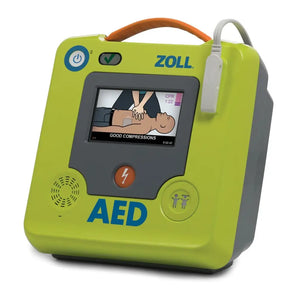
Here are a few of the reasons this AED is recommended:
-
Ability to switch between adult and child rescue at the press of a button - only one set of pads needed
-
Real time Audio & Visual CPR feedback - improves positive outcomes by 50%
-
Full colour screen provides visual instructions in addition to audible instructions
-
Pads and batteries both last 5 years - lowest cost of ownership
For more information go to:
https://aed.ca/products/zoll-aed-3
Conclusion
Upgrading your automated external defibrillator is not just about having the latest technology – it's about ensuring that when someone's life hangs in the balance, your equipment performs flawlessly. The investment in a quality AED upgrade pays dividends in reliability, performance, and peace of mind.
For Canadian organizations ready to upgrade their life-saving equipment, AED.ca offers the expertise, selection, and support needed to make informed decisions about automated external defibrillator investments. Don't wait until an emergency reveals the limitations of outdated equipment. Invest in an AED upgrade today and ensure you're prepared to save lives when it matters most.
Remember, when it comes to emergency medical equipment, cutting corners on cost or delaying necessary upgrades may not be a good idea. Choose reliability, choose modern technology, and choose AED.ca for your automated external defibrillator needs.