AEDs are Like Computers Should be Upgraded Over Time
Automated external defibrillators (AEDs) are critical life-saving devices that can mean the difference between life and death during sudden cardiac arrest emergencies. However, like all medical equipment, AEDs have a finite lifespan and require regular maintenance and eventual replacement. Understanding when and why to upgrade your AED can ensure optimal performance when seconds count most.
How Long Do AEDs Last?
Most AEDs are designed to last between 5-10 years, depending on the manufacturer, model, and usage conditions. The typical warranty period for an automated external defibrillator ranges from 5-8 years, which generally aligns with the manufacturer's recommended replacement timeline. However, several factors can influence the actual lifespan of your device:
- Environmental conditions: Extreme temperatures, humidity, and dust can affect internal components
- Usage frequency: Regular use may impact battery life and electrode pad effectiveness
- Maintenance quality: Proper care and regular inspections can extend device life
- Storage conditions: Proper storage according to manufacturer guidelines is crucial
Why Upgrade After Warranty Expiration?
While an AED may still function after its warranty period expires, there are compelling reasons to consider an upgrade:
1. Reliability and Performance Assurance
Once the warranty expires, you're no longer guaranteed manufacturer support for repairs or replacements. The defibrillator price of a new unit often provides better value than maintaining an older device that may fail during a critical emergency.
2. Technological Advancements
Modern AEDs incorporate significant technological improvements over older models. These advancements can include:
- Enhanced voice prompts and visual guidance
- Improved shock delivery algorithms
- Better environmental resistance
- More intuitive user interfaces
- Advanced CPR feedback systems
3. Compliance and Legal Protection
In Canada, the Canadian Good Samaritan Law provides legal protection for those who assist others in emergency situations. However, using properly maintained and current equipment strengthens this protection. The Canadian Good Samaritan Law encourages bystander intervention, and having a reliable, up-to-date AED demonstrates due diligence in emergency preparedness.
Life-Saving Features in Modern AEDs
Today's AEDs come equipped with innovative features that weren't available in older models:
Real-Time CPR Feedback: Modern devices provide immediate feedback on compression depth and rate, helping users deliver more effective CPR between shocks.
Pediatric Capabilities: Newer models often include automatic pediatric protocols, adjusting energy levels for children without requiring separate pediatric pads.
Wi-Fi Connectivity: Some advanced models can send alerts about maintenance needs, battery status, and even emergency notifications to designated personnel.
Enhanced Battery Life: Current battery technology provides longer standby times and more reliable performance in extreme conditions.
Shock Advisory Systems: Improved algorithms better distinguish between shockable and non-shockable rhythms, reducing inappropriate shocks.
Cost-Effectiveness of Newer AEDs
While the initial automatic defibrillator cost may seem significant, newer AEDs often prove more cost-effective over time:
Lower Maintenance Costs
- Extended battery life reduces replacement frequency
- More durable components require fewer repairs
- Self-testing capabilities reduce manual inspection needs
- Better warranty coverage provides peace of mind
Improved Efficiency
- Faster analysis times mean quicker treatment
- Better user guidance reduces training requirements
- Enhanced reliability minimizes costly downtime
Long-Term Value
When considering the price of an AED, factor in the total cost of ownership over the device's lifetime. While defib prices for newer models may be higher upfront, the reduced maintenance costs, improved reliability, and enhanced features often provide better value.
AED Pricing Considerations in Canada
When evaluating AED machine Canada pricing, consider these factors:
- Initial purchase price: Compare features and specifications across different models
- Ongoing maintenance costs: Factor in battery replacements, electrode pads, and service requirements
- Training and support: Consider the value of comprehensive training programs
- Warranty coverage: Longer warranties can provide better long-term value
The aed defibrillator cost varies significantly based on features, brand, and included accessories. However, investing in quality equipment from reputable suppliers ensures reliability when it matters most.
Choosing the Right AED Supplier in Canada
When selecting an AED machine Canada supplier, consider factors beyond just price:
- Product quality and reliability
- Ongoing support and maintenance services
- Regulatory compliance and certifications
- Customer service and technical support
AED.ca stands out as Canada's premier choice for automated external defibrillator needs. With extensive experience in the Canadian market, AED.ca offers:
- Competitive pricing on leading AED brands
- Comprehensive training programs tailored to Canadian regulations
- Expert consultation to help you choose the right device for your needs
- Ongoing support throughout your AED's lifespan
- Knowledge of Canadian Good Samaritan Law requirements and best practices
Making the Upgrade Decision
When evaluating whether to upgrade your AED, consider:
- Current device age and warranty status
- Maintenance history and reliability
- Available features compared to newer models
- Total cost of ownership projections
- Compliance with current standards and regulations
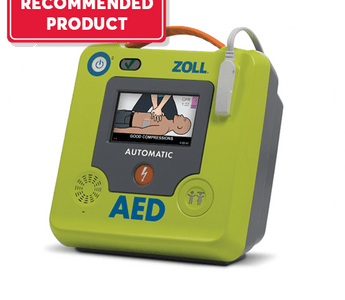
Recommended AED to Upgrade To

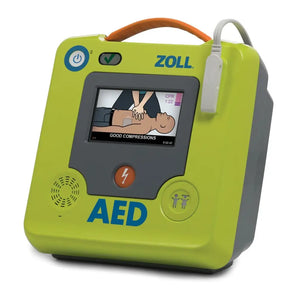
Here are a few of the reasons this AED is recommend in Canada:
-
Ability to switch between adult and child rescue at the press of a button - only one set of pads needed
-
Real time Audio & Visual CPR feedback - improves positive outcomes by 50%
-
Full colour screen provides visual instructions in addition to audible instructions
-
Pads and batteries both last 5 years - lowest cost of ownership
For more information go to:
https://aed.ca/products/zoll-aed-3
Conclusion
Upgrading your AED after the warranty period isn't just about having the latest technology—it's about ensuring the highest chance of saving a life during a cardiac emergency. Modern AEDs offer significant improvements in reliability, user guidance, and life-saving capabilities that can make the difference in critical situations.
With the protection of the Canadian Good Samaritan Law encouraging emergency response, having a reliable, current AED demonstrates your commitment to safety and preparedness. While the initial investment in a new automated external defibrillator may seem substantial, the improved features, lower maintenance costs, and enhanced reliability make it a wise long-term investment.
For organizations and individuals in Canada looking to upgrade their AED equipment, AED.ca provides the expertise, products, and support needed to make informed decisions that prioritize life-saving capabilities while managing costs effectively.
Contact AED.ca today to learn more about current AED models, pricing, and upgrade options tailored to your specific needs.