Updates on Automated External Defibrillators (AEDs)
As cardiac arrest remains a leading cause of death in Canada, automated external defibrillators (AEDs) continue to play a crucial role in saving lives. This year has brought significant developments in AED legislation, workplace safety requirements, and public access initiatives across the country. Here's everything you need to know about what's new with AEDs in Canada.
Ontario Makes History with Construction Site AED Mandate
In a groundbreaking move for workplace safety, Ontario has become the first jurisdiction in North America to mandate AEDs on construction sites. This historic legislation requires all construction projects with 20 or more workers that last three months or longer to have automated external defibrillators readily available on-site.
Key Details of Ontario's AED Legislation:
- Enforcement began in 2025 with strict compliance monitoring
- Non-compliant sites face serious consequences including significant fines, stop-work orders, or complete project shutdowns
- Applies to construction sites meeting the worker count and project duration thresholds
- Sets a precedent that other provinces and industries may follow
This legislation recognizes that construction workers face elevated risks of cardiac emergencies due to physically demanding work, environmental stressors, and the potential for electrical accidents. Having an AED for construction sites can mean the difference between life and death when every second counts.
Expanding Public Access to AEDs Across Canada
Beyond construction sites, there's a renewed national focus on improving AED accessibility in public spaces. Communities across Canada are working to increase the deployment of public access defibrillators to boost cardiac arrest survival rates.
Where You'll Find More AEDs:
- Shopping malls and retail centers
- Sports facilities and recreational centers
- Schools and universities
- Government buildings
- Transit stations and airports
- Office buildings and corporate campuses
- Community centers and places of worship
The goal is simple: ensure that when sudden cardiac arrest occurs, a life-saving AED is within reach. Studies show that prompt defibrillation within the first few minutes of cardiac arrest can increase survival rates by up to 70%.
Understanding Good Samaritan Protection for AED Use
One common concern that prevents people from using AEDs is fear of liability. However, all Canadian provinces and territories have enacted Good Samaritan legislation that protects individuals who provide emergency assistance in good faith.
What Good Samaritan Laws Mean for AED Users:
- Legal protection for those who use AEDs during emergencies
- No special training required to use an AED legally in most jurisdictions
- Encourages bystander intervention during cardiac emergencies
- Removes liability concerns when acting in good faith to help someone
These protections are designed to encourage more Canadians to act quickly when they witness a cardiac emergency. AEDs are designed to be user-friendly with clear voice prompts that guide even untrained users through the process.
The Growing Focus on Workplace AED Requirements
While Ontario's construction site mandate is making headlines, workplaces across all industries are re-evaluating their cardiac emergency preparedness. Though there's no universal federal mandate requiring AEDs in most Canadian workplaces, employers are increasingly recognizing the value of having these devices on-site.
Why More Workplaces Are Installing AEDs:
- Employee safety and duty of care considerations
- Potential liability reduction in the event of cardiac emergencies
- Corporate social responsibility initiatives
- Insurance benefits and potential premium reductions
- Occupational health and safety best practices
- Peace of mind for employees and management
Many organizations are conducting AED needs assessments to determine optimal placement and quantity of devices based on building size, employee count, and facility layout.
AED Training and CPR Certification in Canada
With increased AED deployment comes greater emphasis on CPR and AED training. While AEDs are designed to be intuitive, proper training significantly improves response times and confidence during emergencies.
Training Options Available:
- Standard First Aid with CPR and AED certification courses
- Workplace-specific training programs
- Online and in-person training options
- Recertification courses to keep skills current
- CPR and AED training from accredited organizations like Heart and Stroke Foundation, Red Cross, and St. John Ambulance
Organizations installing AEDs are encouraged to provide training to staff members to ensure multiple trained responders are available during business hours.
Choosing the Right AED for Your Needs
Whether you're a construction company complying with new legislation, a business owner enhancing workplace safety, or a community organization improving public access, selecting the right AED is important.
Factors to Consider:
- Portability and durability for different environments
- Battery life and replacement costs
- Pediatric capabilities if children are present
- Weatherproofing for outdoor or harsh environments
- Maintenance requirements and warranty coverage
- Ease of use and clear voice instructions
- Canadian certification and regulatory compliance
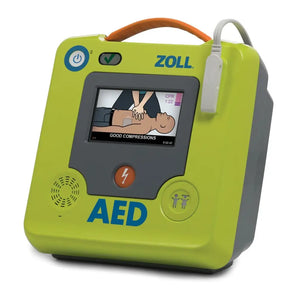
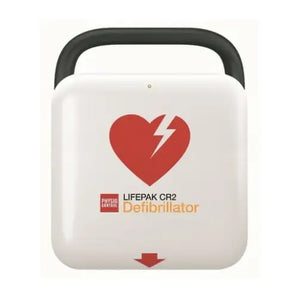
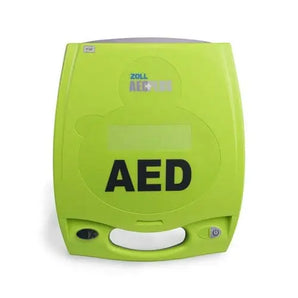
At AED.ca, we offer a comprehensive selection of Health Canada approved AEDs suitable for construction sites, workplaces, public spaces, and home use.
AED Maintenance and Compliance
Installing an AED is just the first step. Proper maintenance ensures your device will function correctly when needed most.
Essential Maintenance Tasks:
- Regular inspections of battery status and readiness indicators
- Electrode pad replacement before expiration dates
- Battery replacement according to manufacturer guidelines
- Software updates when applicable
- Documentation and tracking of maintenance activities
- Compliance with provincial regulations and workplace safety requirements
Many modern AEDs feature self-check systems that automatically test functionality and alert users to any issues.
The Future of AEDs in Canada
The trends we're seeing in 2025 point toward continued expansion of AED requirements and accessibility across Canada. Ontario's construction site legislation may inspire similar mandates in other provinces and industries. As awareness grows about the critical importance of rapid defibrillation, we can expect:
- More provincial AED legislation
- Expanded workplace safety requirements
- Increased public access AED programs
- Enhanced AED registry systems
- Greater integration with emergency response systems
- Improved technology and connected devices
Take Action: Be Prepared for Cardiac Emergencies
Whether you're an employer looking to comply with new regulations, a facility manager enhancing public safety, or simply someone who wants to be prepared, now is the time to act.
Next Steps:
- Assess your needs: Determine if your workplace or facility requires an AED
- Choose the right device: Select an appropriate AED for your environment
- Get trained: Ensure staff receive proper CPR and AED training
- Implement a maintenance plan: Keep your AED rescue-ready
- Stay informed: Keep up with evolving regulations in your province
About AED.ca: As Canada's trusted source for automated external defibrillators, we provide high-quality AEDs, accessories, training resources, and ongoing support to help save lives across the country. Contact us today to learn more about AED solutions for your workplace or community.