AEDs are Literal Life Savers
In the critical moments following sudden cardiac arrest, having immediate access to a defibrillator can mean the difference between life and death. Understanding what an AED is, how these life-saving devices work, and where to find quality defibrillators for sale has become essential knowledge for businesses, homes, and community organizations across Canada.
What is an AED? Understanding Automated External Defibrillators
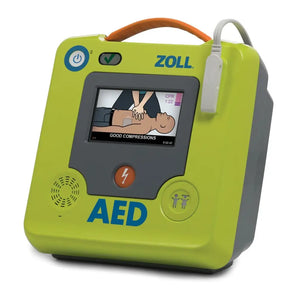
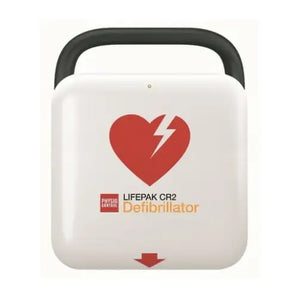
An AED defibrillator, or Automated External Defibrillator, is a portable medical device designed to analyze heart rhythms and deliver electric shocks when necessary to restore normal heart function. These sophisticated yet user-friendly devices have revolutionized emergency cardiac care by making defibrillation accessible to non-medical personnel.
The automated external defibrillator represents a breakthrough in emergency medical technology. Unlike traditional defibrillator machines used in hospitals, an AED machine is specifically designed for use by laypeople with minimal training. The device's automated systems guide users through each step of the process, from placement of electrode pads to delivery of potentially life-saving electrical therapy.
How Defibrillation Works: The Science Behind the AED Defibrillator
To understand what is an external defibrillator and how it functions, it's essential to grasp the basics of cardiac arrest. When the heart experiences certain types of arrhythmias, particularly ventricular fibrillation or ventricular tachycardia, it cannot effectively pump blood to vital organs. A defibrillator for heart emergencies works by delivering a controlled electrical shock that can restore normal heart rhythm.
Modern defibrillators use sophisticated algorithms to analyze heart rhythms and determine when defibrillation automatic therapy is appropriate. This automated analysis is what makes these devices safe for use by non-medical personnel, as the AED defibrillator device will only deliver a shock when the detected rhythm is potentially treatable with electrical therapy.
Types of Defibrillators: From Portable Units to Advanced Models
The market offers various types of defibrillators, each designed for specific applications and user needs:
Portable Defibrillator Units These compact, battery-powered devices are ideal for public access defibrillation programs. A portable defibrillator typically weighs between 4-7 pounds and can be easily carried to emergency scenes.
Semi-Automatic vs. Fully Automatic Models Most automated defibrillator automated external units fall into these categories. Semi-automatic models require the user to press a button to deliver the shock, while fully automatic units deliver therapy without user intervention once a shockable rhythm is detected.
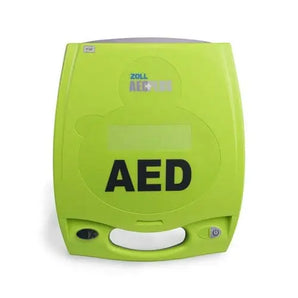
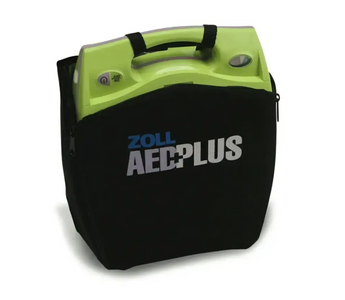
Recommended Defibrillator Machines Advanced models like the Zoll AED Plus offer additional features such as real-time CPR feedback, making them popular choices for many facilities and businesses throughout Zoll Canada distribution networks.
Featured Focus: The Zoll AED Plus Advantage
The Zoll AED Plus represents one of the most trusted names in emergency defibrillation technology. Available through Zoll Canada distributors, this defibrillator machine offers several distinctive features that set it apart in the automated external defibrillator market:
- Real-time CPR feedback technology
- Audio and visual prompts for proper chest compression depth and rate
- Long-life batteries with 5-year standby capability
- Pads and batteries both last for 5 years
- Rugged design suitable for various environmental conditions
- Comprehensive data recording for post-event analysis
When considering a defibrillator buy decision, the Zoll AED Plus consistently ranks among the top choices for organizations seeking reliable, feature-rich automated defibrillator solutions.
https://aed.ca/collections/aeds/products/zoll-aed-plus-fully-automatic-aed-with-cover
AED Defibrillator Price Considerations: Investment vs. Value
Understanding automatic defibrillator price structures is crucial for organizations planning their emergency preparedness budgets. Several factors influence AED defibrillator price points:
Basic Model Pricing Entry-level automated external defibrillator units typically range from $2,000 to $2,500 CAD. These models provide essential defibrillation capabilities with straightforward operation.
Advanced Feature Pricing Premium models with additional features and enhanced connectivity, or ruggedized construction may range from $2,500 to $4,000 CAD.
Total Cost of Ownership When evaluating price buy AED Canada options, consider ongoing costs including:
- Replacement electrode pads
- Battery replacements
- Maintenance and calibration
- Training
Where to Buy: Finding Reliable Defibrillator Sale Opportunities
Locating reputable sources for defibrillator sale transactions requires careful consideration of several factors:
Authorized Distributors Working with authorized distributors ensures access to genuine products, proper warranties, and ongoing technical support. For Canadian buyers, verify that suppliers are authorized to sell and service defibrillators in Canada.
Supplier Resources Companies such as AED.ca provide comprehensive information about available models, pricing, and purchasing options specific to the Canadian market.
AED Canada: Regulatory Landscape and Requirements
The regulatory environment for defibrillators in Canada varies by province, but several common themes emerge:
Provincial Regulations Some provinces have specific requirements for AED installations in certain facilities, including fitness centers, schools, and large office buildings.
Training Requirements While AED machines are designed for ease of use, many jurisdictions require or strongly recommend formal training programs for designated responders.
Maintenance Standards Regular inspection and maintenance protocols ensure that your AED defibrillator device remains ready for emergency use.
Automated Defibrillator Training: Building Confidence and Competence
Effective automated defibrillator training programs combine theoretical knowledge with hands-on practice. Comprehensive training should cover:
Device Operation Understanding how to use automated external defibrillator equipment, including power-on procedures, electrode placement, and following device prompts.
CPR Integration Modern training emphasizes the integration of chest compressions with defibrillation, as both interventions work synergistically to improve survival outcomes.
Scenario-Based Practice Realistic training scenarios help build confidence and muscle memory for high-stress emergency situations.
Ongoing Refresher Training Regular updates ensure skills remain sharp and familiarity with equipment stays current.
How to Use Automated External Defibrillator: Step-by-Step Guide
Understanding how to use automated external defibrillator equipment can empower anyone to respond effectively in cardiac emergencies:
- Assess the Scene: Ensure the environment is safe for both the victim and responder
- Check Responsiveness: Confirm the person is unresponsive and not breathing normally
- Call for Help: Activate emergency medical services immediately
- Retrieve the AED: Locate and bring the automated external defibrillator to the victim
- Power On: Turn on the AED defibrillator device and follow voice prompts
- Prepare the Chest: Remove clothing and ensure the chest is dry
- Apply Electrodes: Place electrode pads as illustrated on the device
- Analyze Rhythm: Allow the defibrillator machine to analyze the heart rhythm
- Deliver Shock: If advised, ensure no one is touching the victim and deliver the shock
- Perform CPR: Continue chest compressions as directed until emergency services arrive
- Deliver Shock: Continue to allow the AED to determine if additional shocks are needed.
Maintenance and Care: Keeping Your Defibrillator Ready
Proper maintenance ensures your AED machine remains functional when needed:
Daily Visual Inspections Check status indicators to confirm the device is ready for use.
Monthly Detailed Checks Verify battery levels, electrode pad expiration dates, and overall device condition.
Professional Servicing Schedule annual professional inspections to maintain optimal performance and compliance.
Record Keeping Maintain detailed logs of all inspections, maintenance activities, and any device usage.
The Future of Defibrillator Technology
Emerging trends in defibrillator technology promise to make these devices even more effective and user-friendly:
Enhanced Connectivity Modern defibrillators increasingly offer wireless connectivity for real-time monitoring and automatic status reporting.
Improved User Interfaces Advanced visual displays and multilingual support make devices more accessible to diverse user populations.
Integrated Technologies Future models may incorporate additional monitoring capabilities and therapeutic options beyond basic defibrillation.
Making the Right Choice: Selecting Your AED Defibrillator
When choosing an automated external defibrillator for your organization, consider:
User Requirements Assess the likely users of your AED machine and select models with appropriate guidance levels and interface complexity.
Environmental Factors Consider where the portable defibrillator will be stored and used, ensuring environmental ratings meet your needs.
Support Infrastructure Evaluate the availability of support, training resources, and ongoing technical assistance.
Budget Considerations Balance initial investment against long-term value and total cost of ownership.
Conclusion: Investing in Life-Saving Technology
The decision to invest in an AED defibrillator represents a commitment to emergency preparedness and community safety. Whether you're seeking a basic automated external defibrillator for a small office or a feature-rich model like the Zoll AED Plus, the key is choosing equipment that meets your specific needs while providing reliable, life-saving capability.
Understanding what is an AED, how these devices function, and where to find quality defibrillator sale opportunities empowers organizations to make informed decisions about emergency preparedness. With proper selection, training, and maintenance, an AED machine can provide years of reliable service and the peace of mind that comes from being prepared for cardiac emergencies.
For Canadian organizations ready to enhance their emergency response capabilities, exploring options through established suppliers and resources like AED.ca provide access to quality equipment, professional training, and ongoing support services that ensure your investment in automated defibrillator technology delivers maximum value and life-saving potential.
For specific guidance on AED selection, pricing, and implementation tailored to your organization's needs, contact AED.ca. They are Canada's AED company and can provide personalized recommendations based on your unique requirements.