And What It Is Not
When people hear the term "AED system," they often assume it is a complicated piece of medical equipment that requires extensive training to operate. The reality is quite different.
An Automated External Defibrillator (AED) system is specifically designed to be used by ordinary people during a sudden cardiac arrest emergency. In fact, modern AEDs are engineered so that anyone can use them, even with no prior training.
Understanding what an AED system is—and what it is not—can help organizations, workplaces, schools, churches, and community facilities make informed decisions about protecting lives.
What Is an AED System?
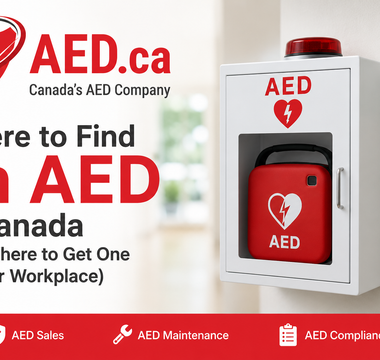
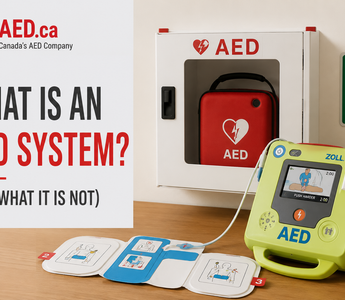
An AED system is a complete sudden cardiac arrest response solution that typically includes:
-
An Automated External Defibrillator (AED)
-
Electrode pads
-
Battery
-
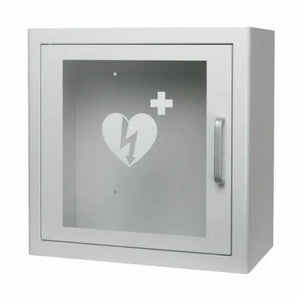
AED wall cabinet or carrying case
-
AED rescue kit (gloves, CPR mask, scissors, razor, etc.)
-
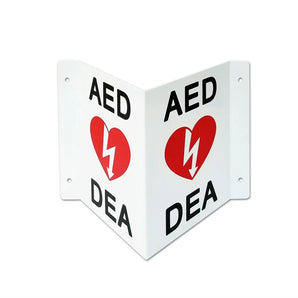
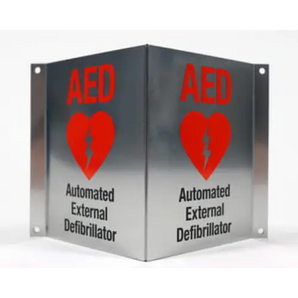
Signage identifying the AED location
-
Inspection and maintenance program
The AED itself is a portable medical device that analyzes a person's heart rhythm and determines whether a life-saving shock is required.
Modern AEDs provide step-by-step voice instructions and visual prompts that guide rescuers through the entire rescue process.
Organizations looking to protect their employees, customers, and visitors can explore our selection of AEDs for Sale in Canada to find the right solution for their needs.
What an AED System Is Not
Many people mistakenly believe an AED is:
A Device Only Medical Professionals Can Use
This is false.
AEDs are specifically designed for public access. They are intended to be used by:
-
Employees
-
Teachers
-
Coaches
-
Volunteers
-
Church members
-
Security staff
-
Bystanders
-
Family members
No medical certification is required.
A Device That Can Accidentally Harm Someone
This is another common misconception.
AEDs analyze the heart rhythm automatically. If a shock is not needed, the AED will not allow a shock to be delivered.
The device makes the decision—not the rescuer.
A Complicated Piece of Medical Equipment
Modern AEDs are incredibly simple.
Most units require only three basic actions:
-
Turn on the AED.
-
Attach the pads.
-
Follow the voice prompts.
The AED does the rest.
Can Anyone Use an AED?
Yes.
One of the most important things to understand is that AEDs are intentionally designed for untrained rescuers.
Manufacturers know that sudden cardiac arrest often occurs in places where medical professionals are not immediately available.
That's why AEDs provide:
-
Clear voice instructions
-
Visual diagrams
-
Automated heart rhythm analysis
-
Safety checks
-
CPR coaching
-
Simple pad placement guides
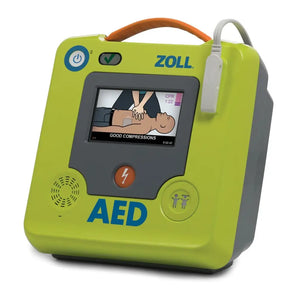
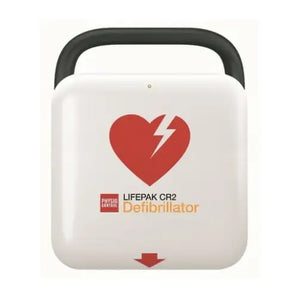
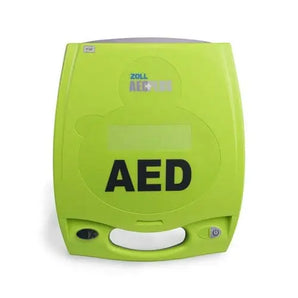
Whether you choose a ZOLL AED 3, a ZOLL AED Plus, or a LIFEPAK CR2 AED, the device will walk the rescuer through every step.
Is Training Required to Use an AED?
No.
Across Canada, AED manufacturers design their devices so that training is not required before use.
That said, CPR and AED training can improve confidence and help people respond more quickly during an emergency.
Think of it this way:
-
Training is beneficial.
-
Training is recommended.
-
Training is not required.
A person with no training is still far more likely to save a life by using an AED than by waiting for emergency responders to arrive.
Why Simplicity Matters
During sudden cardiac arrest, every minute counts.
Research consistently shows that survival rates decrease significantly for every minute defibrillation is delayed.
AED manufacturers have spent decades simplifying these devices because:
-
People are under stress during emergencies.
-
Rescuers may have no medical background.
-
Clear instructions save valuable time.
This is why today's AEDs talk rescuers through the rescue from start to finish.
An AED System Is More Than Just the Device
Purchasing an AED is only one part of building an effective AED program.
Organizations should also consider:
-
Proper AED placement
-
Visibility and signage
-
Regular inspections
-
Pad and battery expiry tracking
-
Compliance documentation
-
Ongoing maintenance
AED.ca helps organizations across Canada manage all aspects of AED ownership including maintenance: For more info go to @ AED Maintenance Program
These services help ensure your AED remains rescue-ready, compliant, and ready to respond when needed.
The Bottom Line
An AED system is not a complicated medical device reserved for healthcare professionals.
It is a life-saving emergency response system specifically designed so that ordinary people can help save a life during sudden cardiac arrest.
Modern AEDs provide clear voice instructions, automatic heart rhythm analysis, and built-in safety features that make them safe and easy to use.
If someone collapses from sudden cardiac arrest, don't be afraid to use an AED. The device is designed to guide you every step of the way.
Whether you are looking to Buy an AED in Canada, upgrade an older device, or implement a complete workplace AED program, AED.ca can help.
About the Author
Martin Andrews is the President of AED.ca, Canada's AED Company. He works with businesses, schools, churches, sports organizations, healthcare facilities, and government agencies across Canada to improve sudden cardiac arrest preparedness through AED sales, inspections, maintenance, compliance support, and national AED programs.
AED.ca provides trusted access to industry-leading AEDs including the LIFEPAK CR2 AED, ZOLL AED 3, and ZOLL AED Plus, along with comprehensive maintenance and compliance services from coast to coast.