AEDs are Actual Life Savers
When it comes to cardiac emergency preparedness, automatic defibrillator AED's have become essential lifesaving devices across Canada. Whether you're a business owner, school administrator, or community leader, or homeowner, understanding how an AED works and the legal protections available can make the difference between life and death.
What is an AED Machine?
An AED (Automated External Defibrillator) is a portable electronic device that automatically diagnoses life-threatening cardiac arrhythmias and delivers an electric shock to restore normal heart rhythm. These sophisticated AED machines are designed to be user-friendly, allowing even untrained bystanders to provide critical care during cardiac emergencies.
Modern AEDs guide users through the entire process with clear voice prompts and visual instructions, making them accessible to anyone willing to help. The AED defib technology has advanced significantly, with devices now capable of analyzing heart rhythms with remarkable accuracy.
Types of AEDs Available in Canada
Semi-Automatic AEDs
These devices analyze the patient's heart rhythm and advise the operator when a shock is needed. The user must press a button to deliver the shock, maintaining human control over the final step.
Fully Automatic AEDs
Advanced AED defib units that deliver shocks automatically after determining that defibrillation is necessary, removing the need for user intervention during the critical moment.
Professional vs. Public Access Models
While all A_E_D units serve the same fundamental purpose, some models offer additional features like ECG displays, advanced monitoring capabilities for healthcare professionals.
Good Samaritan Legislation: Protection for AED Users
One of the most important aspects of AED deployment in Canada is understanding Good Samaritan legislation. These laws provide legal protection for individuals who voluntarily provide emergency assistance, including the use of A E D S, during cardiac emergencies.
Provincial Variations in Good Samaritan Laws
Each Canadian province has specific Good Samaritan legislation that protects citizens who use AEDs in emergency situations:
Ontario: The Good Samaritan Act protects anyone who voluntarily provides emergency assistance without expectation of compensation, including AED use.
British Columbia: Similar protections exist under the Emergency Medical Assistance Act.
Alberta: The Emergency Medical Aid Act provides comprehensive protection for AED users.
Quebec: Civil Code provisions protect Good Samaritans who act reasonably in emergency situations.
The key principle across all provinces is that if you act reasonably and in good faith when using an AED machine, you're protected from liability.
Choosing the Right AED for Your Organization
Key Features to Consider
When selecting A E D S for your facility, consider these essential features:
- Ease of Use: Clear voice prompts and visual indicators
- Battery Life: Long-lasting batteries with clear expiration indicators
- Durability: Weather-resistant design for various environments
- Maintenance Requirements: Self-testing capabilities and clear maintenance schedules
- Pediatric Capability: Ability to adjust energy levels for children
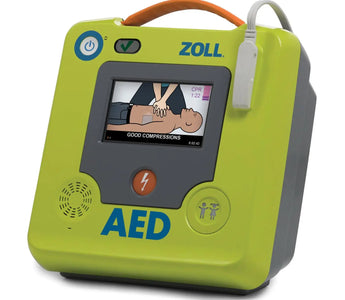
Recommended AED

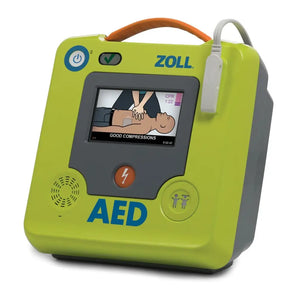
Here are a few of the reasons this AED is recommended:
-
Ability to switch between adult and child rescue at the press of a button - only one set of pads needed
-
Real time Audio & Visual CPR feedback - improves positive outcomes by 50%
-
Full colour screen provides visual instructions in addition to audible instructions
-
Pads and batteries both last 5 years - lowest cost of ownership
For more information go to:
https://aed.ca/products/zoll-aed-3
Popular AED Models in Canada
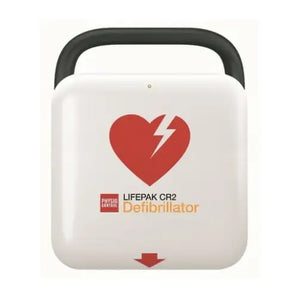
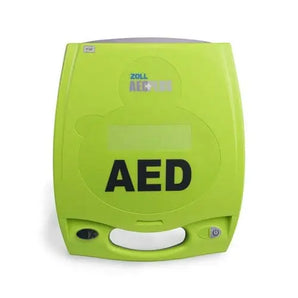
Leading AED manufacturers offer various models suitable for Canadian conditions:
- Compact units ideal for small businesses
- Ruggedized models for industrial environments
- Advanced units with enhanced monitoring for healthcare facilities
AED Placement and Accessibility
Strategic placement of your AED defib units ensures rapid access during emergencies. Consider these guidelines:
Optimal Locations
- Within a 3-minute walking distance from any location in your facility
- Clearly marked and easily accessible 24/7
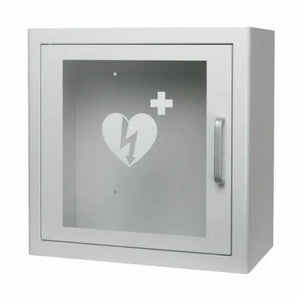
- Protected from extreme temperatures while remaining readily available
- Near high-traffic areas or locations where cardiac events are more likely
Signage and Awareness
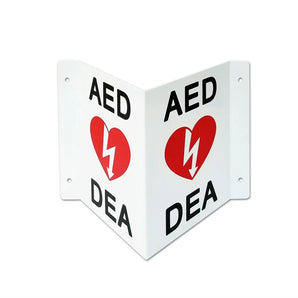
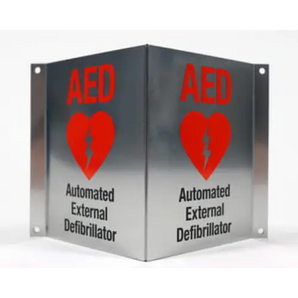
Proper signage ensures people can quickly locate A_E_D units during emergencies. Use internationally recognized AED symbols and ensure signs are visible from multiple angles.
Training and Maintenance Requirements
Staff Training Programs
While AEDs are designed for ease of use, proper training significantly improves outcomes. Training programs should cover:
- Recognizing cardiac arrest
- Proper AED machine operation
- CPR techniques
- Emergency response procedures
Regular Maintenance
Maintaining your A E D S ensures they're ready when needed:
- Monthly visual inspections
- Battery replacement according to manufacturer guidelines
- Electrode pad replacement before expiration
- Software updates as recommended
- Documentation of all maintenance activities
The Business Case for AED Investment
Legal and Ethical Considerations
While AED installation isn't legally required for most Canadian businesses, having these devices demonstrates commitment to safety and may be required for certain industries or facilities.
Cost-Benefit Analysis
The investment in automatic defibrillator AED's is minimal compared to the potential to save lives. Consider:
- Initial purchase costs
- Ongoing maintenance expenses
- Training program investment
- Potential liability reduction
Insurance Considerations
Many insurance providers view AED programs favorably, potentially leading to reduced premiums for businesses that demonstrate commitment to safety preparedness.
Provincial AED Programs and Initiatives
Several Canadian provinces have launched initiatives to increase AED accessibility:
Public Access Defibrillator Programs
These programs focus on placing AEDs in high-traffic public areas like shopping centers, airports, and recreational facilities.
School AED Programs
Many provinces mandate or encourage AED placement in schools, recognizing the importance of cardiac emergency preparedness in educational environments.
Workplace Safety Integration
AED programs are increasingly integrated into comprehensive workplace safety programs across Canada.
Future of AED Technology
The evolution of AED defib technology continues to improve survival rates:
Smart Connectivity
New AED machines feature connectivity options that can alert emergency services automatically and provide real-time guidance to users.
Enhanced Portability
Lighter, more compact designs make A_E_D units even more accessible and easier to deploy quickly.
Improved User Interface
Advanced voice prompts and visual displays continue to make these devices more intuitive for untrained users.
Conclusion
Investing in automatic defibrillator AED's for your Canadian organization is an investment in life safety that provides legal protection under Good Samaritan legislation while demonstrating social responsibility. Whether you need a single AED machine for a small office or multiple A E D S for a large facility, the technology exists to meet your specific requirements.
The combination of user-friendly AED defib technology, comprehensive legal protection, and proven lifesaving capability makes AEDs an essential component of any emergency preparedness program. By understanding your options and legal protections, you can make informed decisions that could save lives in your community.
For more information about AED solutions tailored to Canadian requirements, contact AED.ca. They are Canada's AED Company.